


Carolina Irving and Daughters
A Arte do Olhar Herdado
With Olympia and Ariadne, Carolina Irving turns centuries of decorative history into objects shaped by hand, place, and living craft.
A Carolina Irving plate does not arrive with a label explaining its origins. It does not need to. The pattern speaks. A floral motif that recalls Persian miniatures. A geometric border inspired by historic ceramic traditions of the Ottoman world. A botanical illustration drawn from old-world decorative archives. Each design began as a fragment of visual history that Irving identified, researched, redrawn, and then sent to the atelier best equipped to execute it, in the country where the relevant craft tradition originated. The plate is painted by hand in Portugal. But the pattern traveled through centuries and across continents to get there.
Each design begins as a fragment of visual history, then finds the atelier best equipped to bring it back to life.
Irving was born to Venezuelan parents and raised in Paris, where she studied at the École du Louvre, the institution that trains its students to read objects not as aesthetic surfaces but as cultural documents. A fifteenth-century ceramic bowl is not merely beautiful; it is evidence of trade routes, material technologies, political alliances, and the visual language of a specific court at a specific moment. Irving absorbed this methodology and carried it into the decorative arts, spending years as an editor at House & Garden e Elle Decor, where she developed a rigorous approach to pattern and historical sourcing that would later define her own collections.
In 2018, she formalized this accumulated knowledge into a brand. Carolina Irving and Daughters, founded with Olympia and Ariadne, is a homeware and textile house that operates on a principle simple enough to sound radical: everything is made by hand, by artisans, in family-run workshops, in the countries where the techniques originated. Plates are painted in Portugal by ceramicists whose studios have been active for generations. Pottery is shaped on the wheel in Italy, in regions where the craft has roots stretching back to antiquity. Glassware is blown in Egypt, where artisans have long practiced the technique, part of a glass-making tradition in the region that dates back centuries. Textiles are block-printed and embroidered in India, using carved wooden blocks pressed into fabric by hand, each impression carrying the slight irregularity that separates the handmade from the machine-produced.
The collection is deliberately small. Irving does not pursue breadth. She pursues depth. Each piece begins with a motif she has identified in her research, a pattern whose provenance she can trace and whose cultural meaning she understands. The choice of atelier is never arbitrary. She matches each design to the tradition most naturally suited to realize it, creating a network of craft relationships that connects Portuguese brushwork to Indian embroidery to Egyptian glass-blowing, held together by a single curatorial intelligence.
The brand does not romanticize artisanship as a concept. It sustains it as a practice.
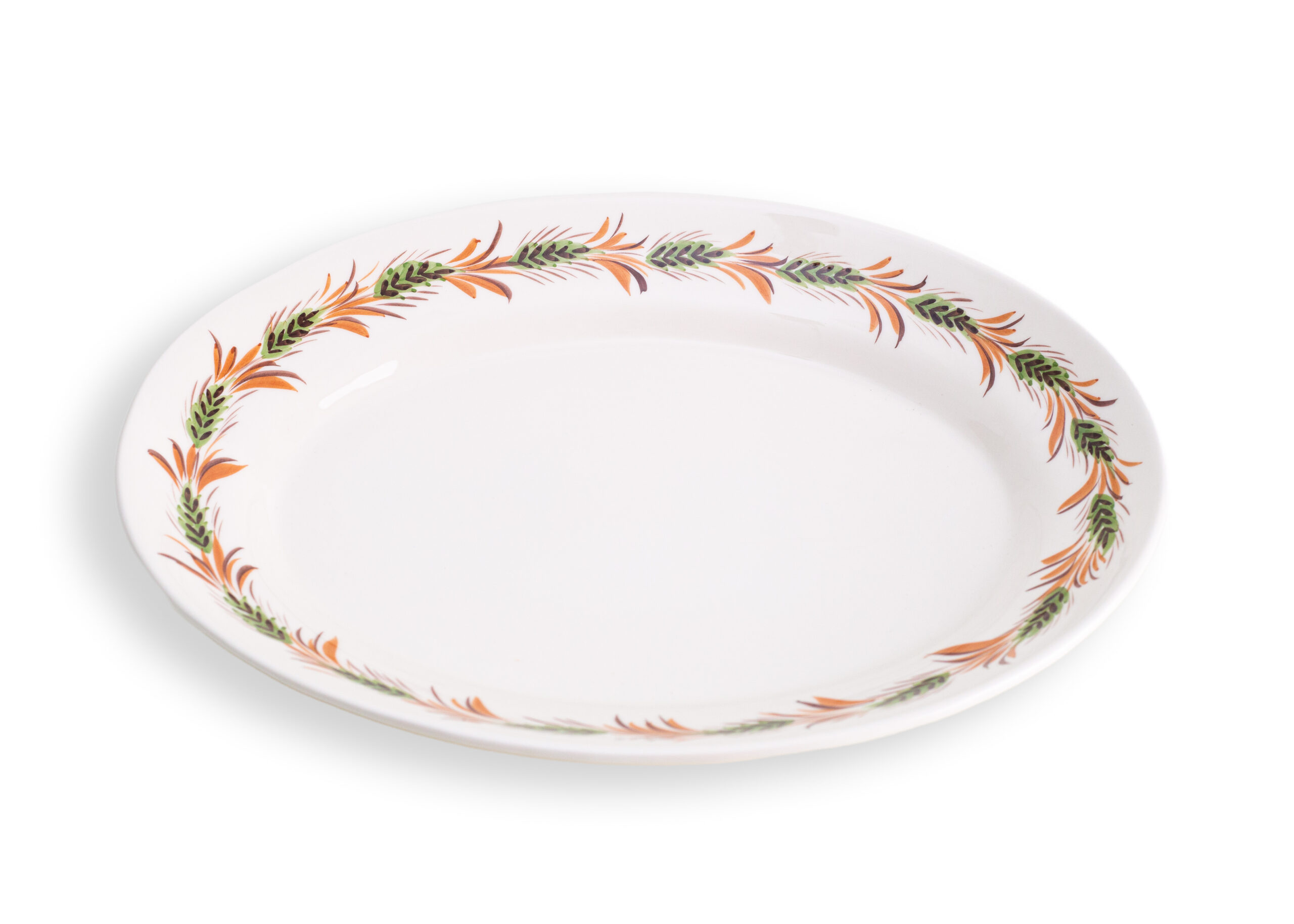
What makes the brand unusual in a market crowded with artisanal claims is its refusal to separate beauty from knowledge. A tablecloth whose block-printed border was adapted from a textile fragment in a museum archive. A glass whose proportions reference vessels from the ancient Mediterranean. Each object is, in compressed form, a history lesson delivered through material and technique rather than text. The Irving daughters have grown up inside this visual world, and their role in the brand is substantive, not ornamental. They bring a contemporary eye to their mother’s archival sensibility, ensuring the objects feel current without chasing trends, a distinction the family maintains with conviction.
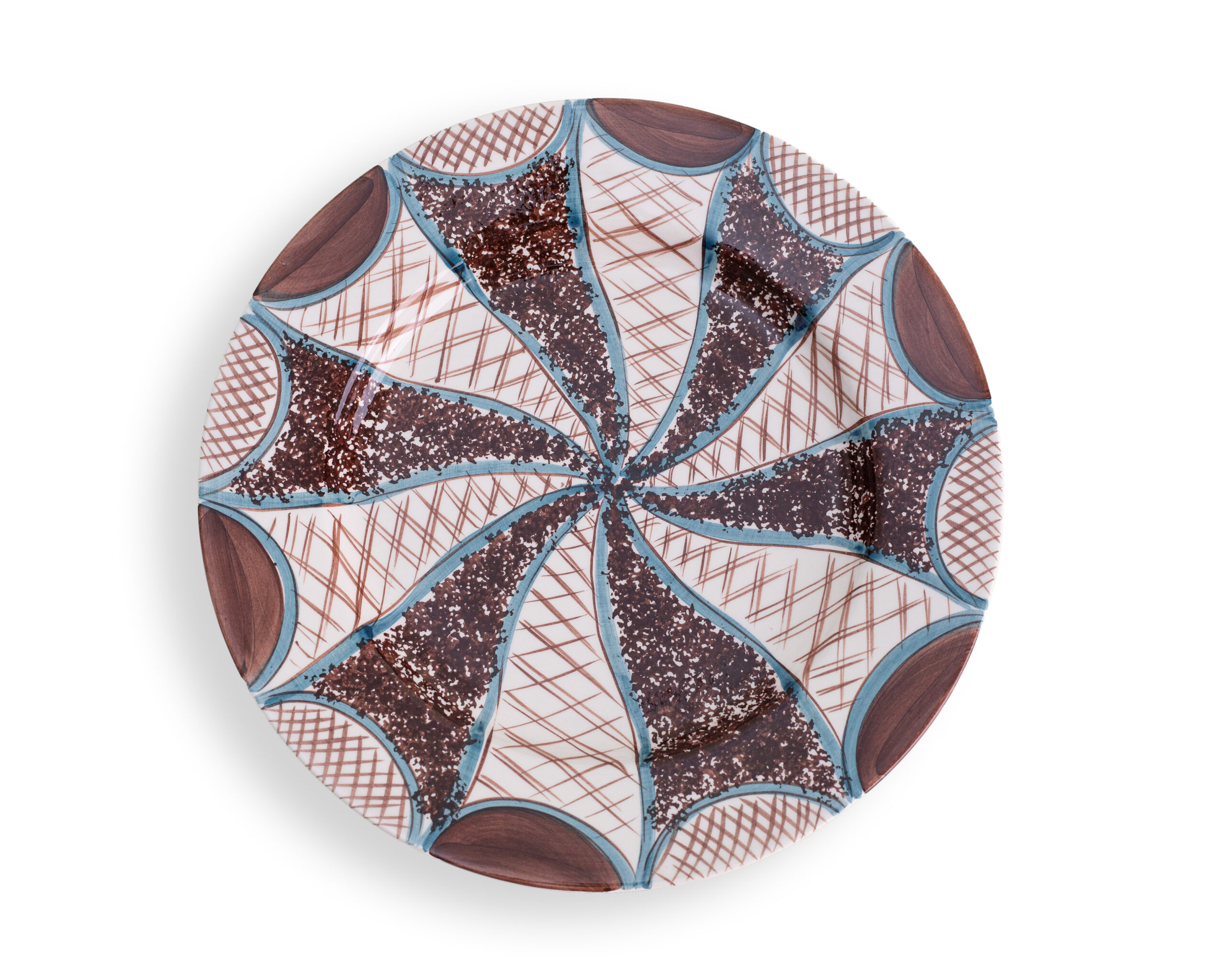
The brand is carried by select retailers and has built a following among interior designers and collectors who value provenance alongside aesthetics. It does not advertise loudly. It does not expand quickly. It grows the way its products are made: deliberately, by hand, one finished piece at a time.
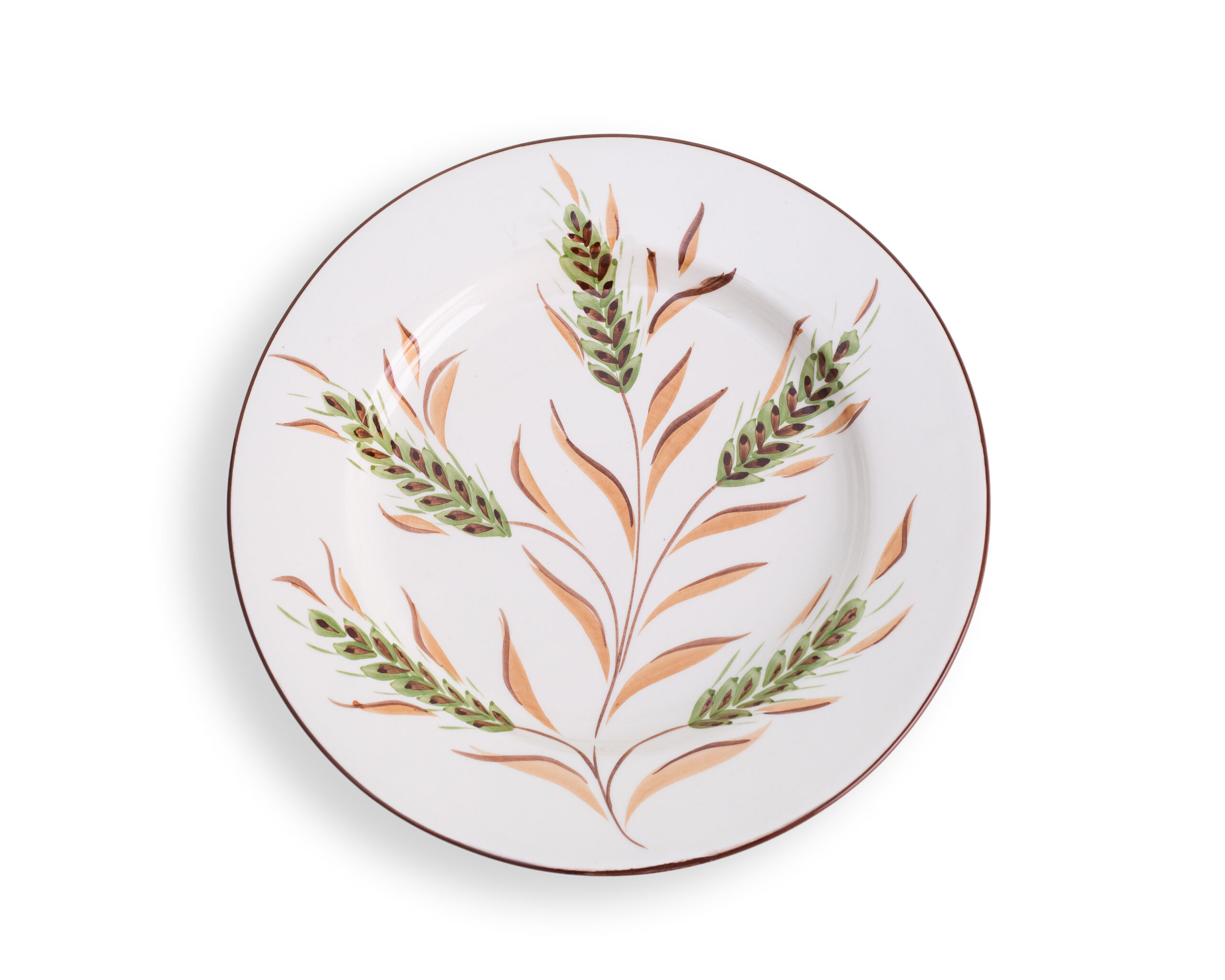
In an era when “handmade” has become a marketing word detached from its meaning, Carolina Irving and Daughters offers something verifiable: objects whose beauty is the direct consequence of specific human skill applied within living craft traditions. The brand does not romanticize artisanship as a concept. It sustains it as a practice, and in doing so, ensures that the traditions from which it draws remain active and economically viable for the next generation of makers.