
Acclaimed as the world's leading ecotourism operator, Wilderness offers unforgettable, high-end adventures that help preserve biodiversity, protect wildlife, and support local communities.
Wilderness Safaris was founded in 1983 in Botswana, inspired by a dream: to share some of the most remote wilderness areas of the African subcontinent with visitors from around the world, leaving as little impact as possible on the environment while making a lasting impression on the soul.
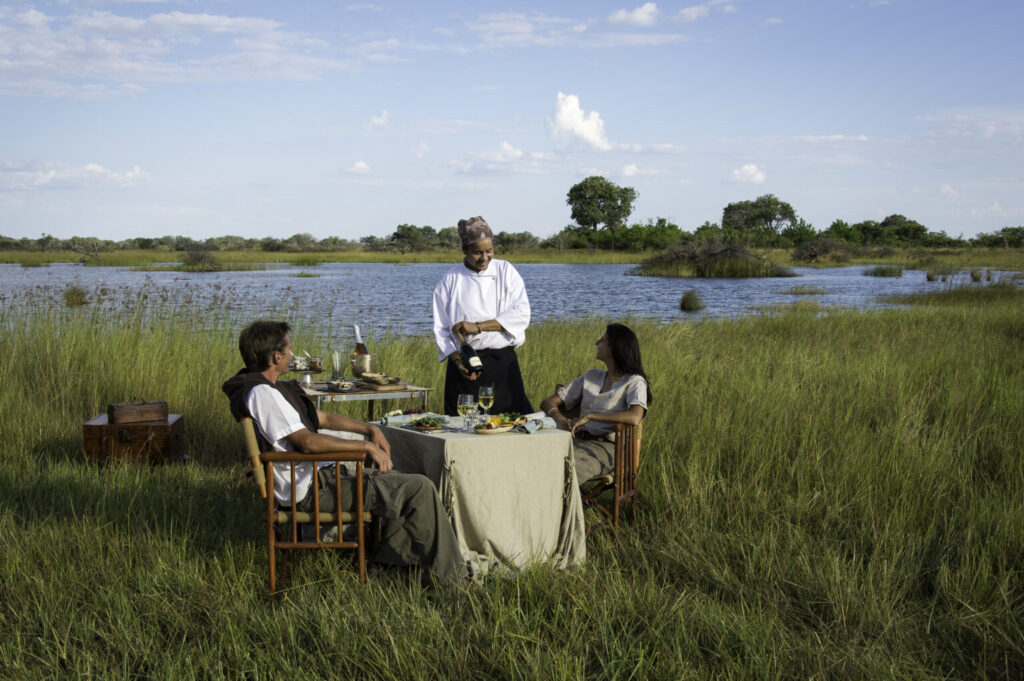
Today, its mission extends beyond the conservation and restoration of Africa’s wildlife. Operating in seven countries, with more than 40 camps, the organization protects wilderness areas and the flora and fauna they sustain. Its properties range from more affordable tented accommodations to luxurious camps, and in Botswana, guests can experience the extraordinary sight of elephants roaming freely between their rooms.
Founded as an environmental conservation company before evolving into a hospitality organization, Wilderness has kept its commitment to local communities at the heart of its operations. This includes employing guides who undergo years of training in different locations, creating extraordinary experiences for visitors in some of the continent’s most remote and untouched wilderness areas.
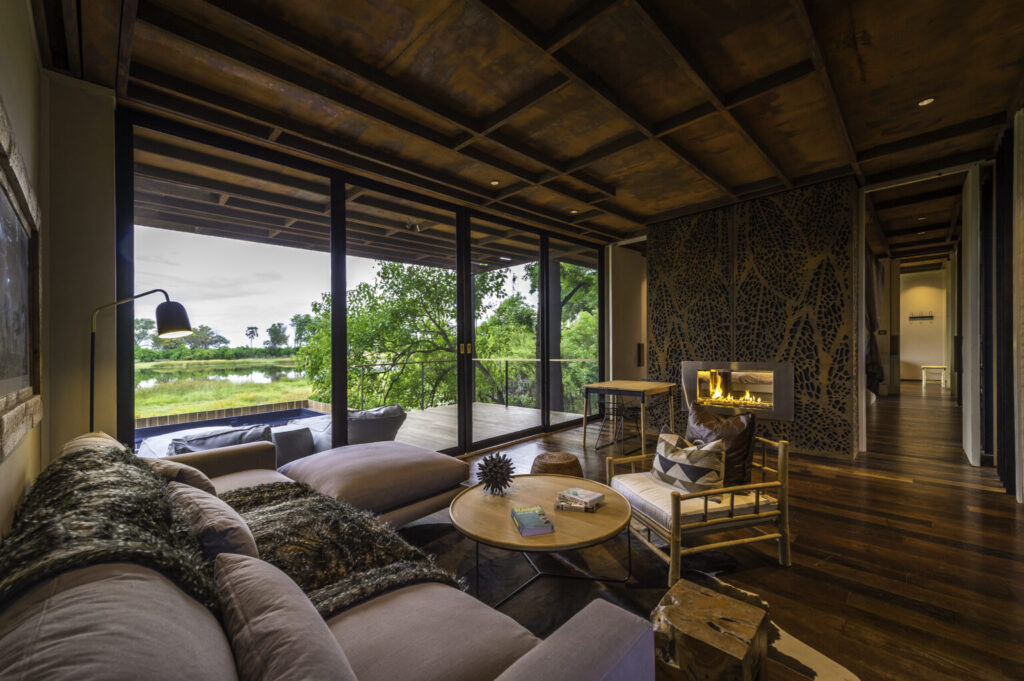
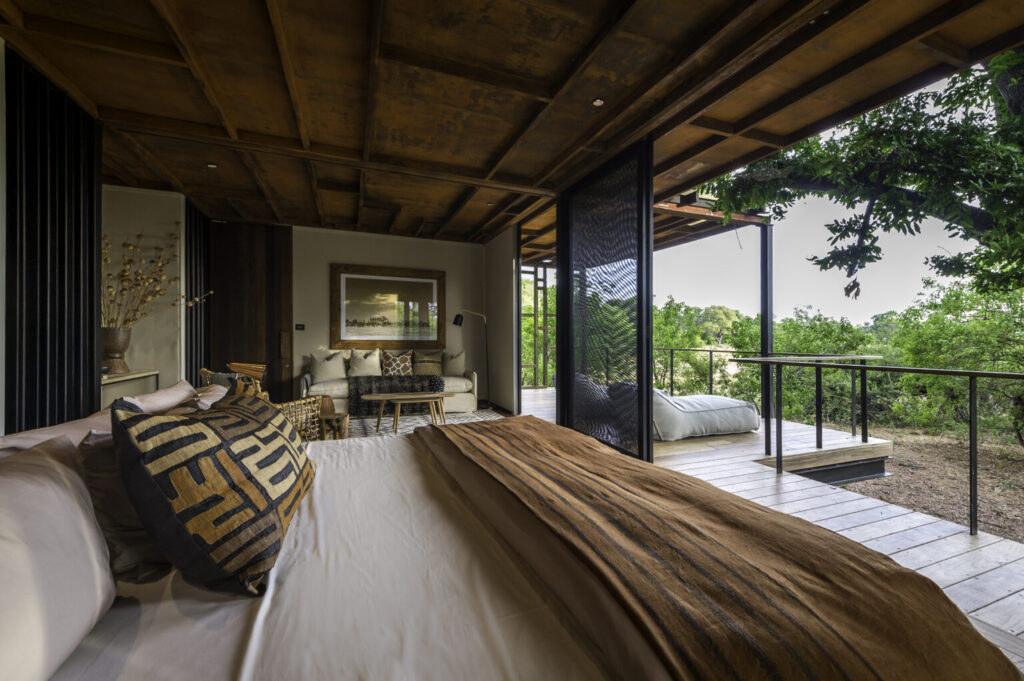
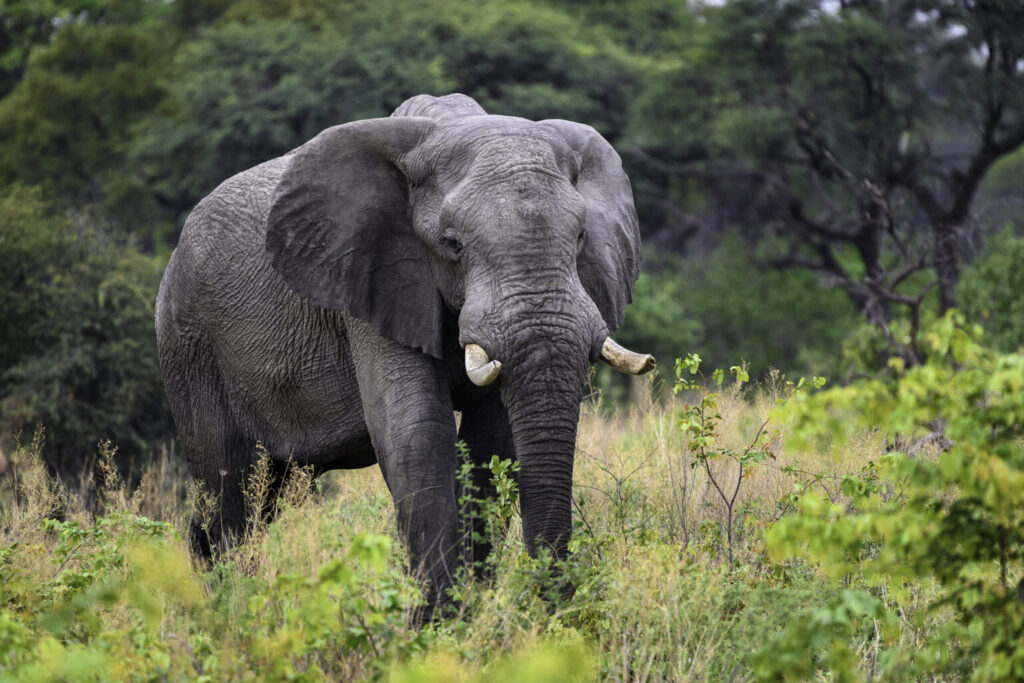
THE ELEPHANTS OF BOTSWANA
Located in the heart of Southern Africa, Botswana sits approximately 950 meters above sea level and more than 600 kilometers from the nearest coastline.
The country’s most distinctive geographical features are its flat, arid landscapes. This makes the Okavango Delta even more remarkable: a wetland within a desert, fed by rainfall originating in Angola, some 1,000 kilometers away.
Since gaining independence in 1966, Botswana has become a remarkable African success story. The country’s leaders adopted an innovative approach to tourism, recognizing that low-volume, experience-driven ecotourism was the best way to build a sustainable conservation economy, empower local communities, and preserve the environment. In Botswana, travelers can experience the wilderness through safari journeys at Wilderness Safaris camps, creating a lasting impact.
As part of its impact strategy to help reduce human-wildlife conflict, the company partners with Ecoexist, an organization dedicated to identifying and facilitating solutions that benefit both humans and wildlife in areas where competition for water, food, and space is greatest. Together, they collect data and map elephant movements and migration corridors in northern Botswana. Elephants do not recognize international borders, and their movements are increasingly restricted by human development. Ensuring safe passage along these corridors is essential to allowing them to move freely between protected areas in Botswana, Namibia, Zambia, and Angola, across what are known as key Wildlife Dispersal Areas (WDAs).
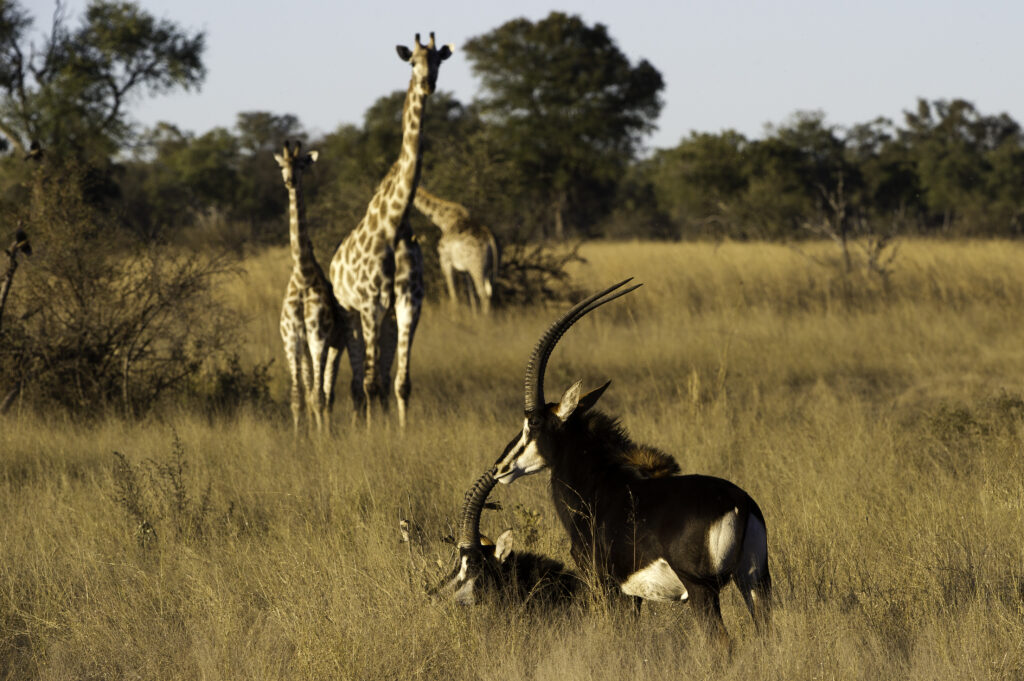
Beyond the threat of poaching, elephants face additional obstacles to their freedom of movement, including fences, roads, and changes in land use that block their passage. While large mammals may steal the spotlight, there are countless other creatures to discover, from brightly colored birds and elusive antelopes to frogs and fish.
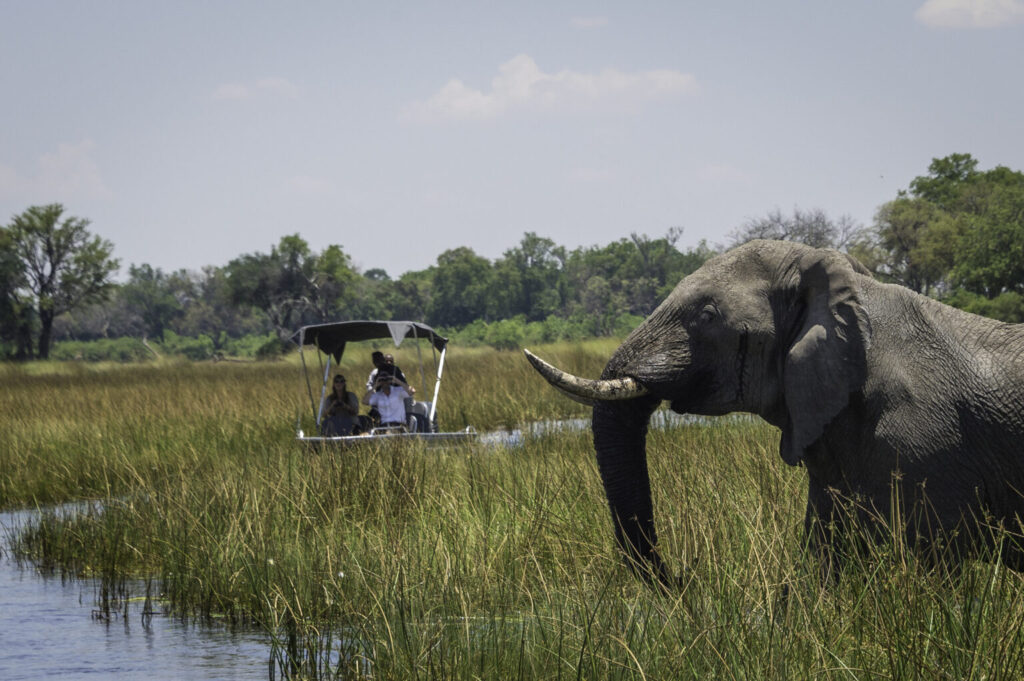
Often, it is the untouched beauty of the landscapes and the feeling of being immersed in a remote wilderness that leave the most lasting impression. The company’s unparalleled knowledge of the country’s habitats and wildlife, accumulated over 35 years, ensures unforgettable experiences.

A PASSION FOR REMOTE PLACES
Wilderness Safaris recognized that, without action, some of the most extraordinary wilderness areas in Africa, and indeed the world, would be threatened and potentially lost to future generations.
In 1983, the company began offering guests exclusive access to the Okavango and Chobe regions, with the goal of ensuring the conservation of wildlife areas while delivering economic benefits to local communities. In 1985, it established its first low-impact, semi-permanent camps, Xaro and Xigera, in the Okavango Delta. The construction of Mombo Camp in 1990 was followed by the launch of its own air charter company, Sefofane, now known as Wilderness Air, providing seamless air transfers between Maun and the camps.

RESPONSIBLE ECOTOURISM
In 1993, Wilderness established new regional operations in Namibia and South Africa, followed by Malawi in 1994 and Zimbabwe in 1995, consistently building partnerships with local communities to help conserve wildlife through high-quality ecotourism.
In the Seychelles, the company rehabilitated an entire island. In Botswana, working alongside the government, it reversed the local extinction of white and black rhinoceroses through a long-term reintroduction program.
Wilderness Safaris is also committed to reducing its environmental footprint, using solar water heaters and renewable energy sources to cut carbon emissions by approximately 3,000 tons annually.
The company then turned its attention to plastic waste, launching a campaign to eliminate bottled water and reduce waste by introducing refillable aluminum water bottles and reverse osmosis water purification systems across its African operations.