INTERVIEW
With Paris now part of the story, how do you enter a city with such a strong identity and keep the soul of the brand intact?
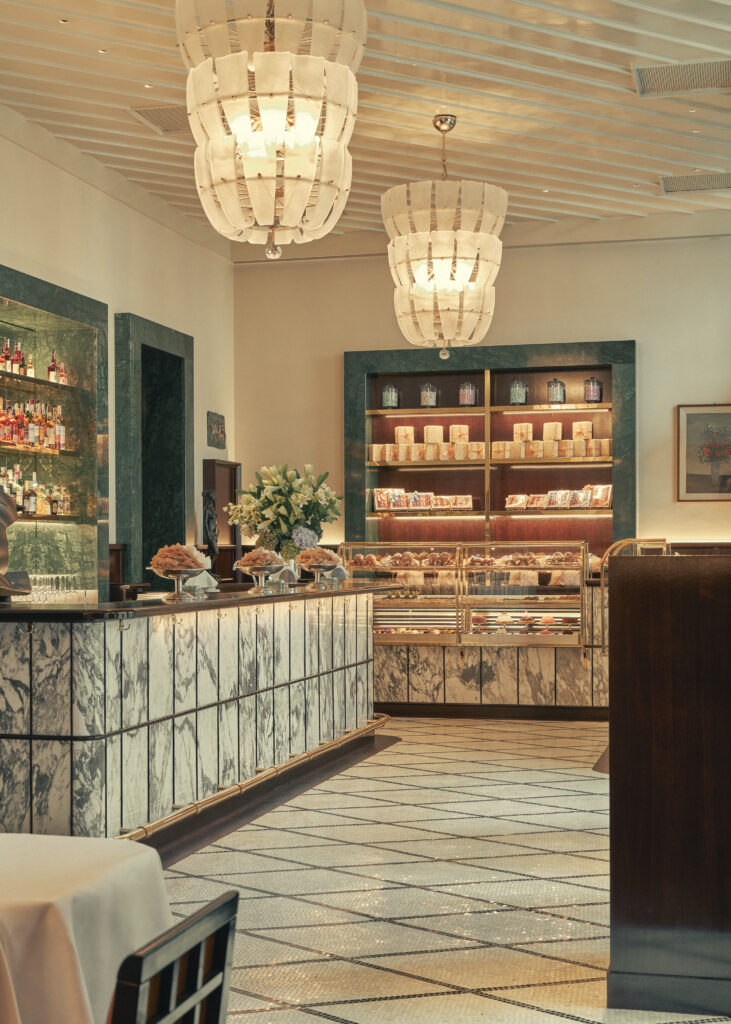
Paris is not a city that forgives inauthenticity, and we never tried to seduce it. Our relationship with the city goes back almost a decade. We were the last guest at Colette’s water bar in 2017, which was already a signal that Paris understood what we stood for. But we didn’t rush. We made a decisive move in 2020 and still waited several more years for the right location. Saint-Germain-des-Prés chose us as much as we chose it. The neighborhood has the same layered energy as our SoHo: artists, writers, people who belong to no single world and all of them at once. And Fabrizio Casiraghi understood something essential: Sant Ambroeus has a profound connection to art, and that connection finds a natural home among the galleries and antiquarians of that quartier.
Sant Ambroeus attracts very different worlds at once. How do you build a place that feels desirable to several generations without losing its identity?
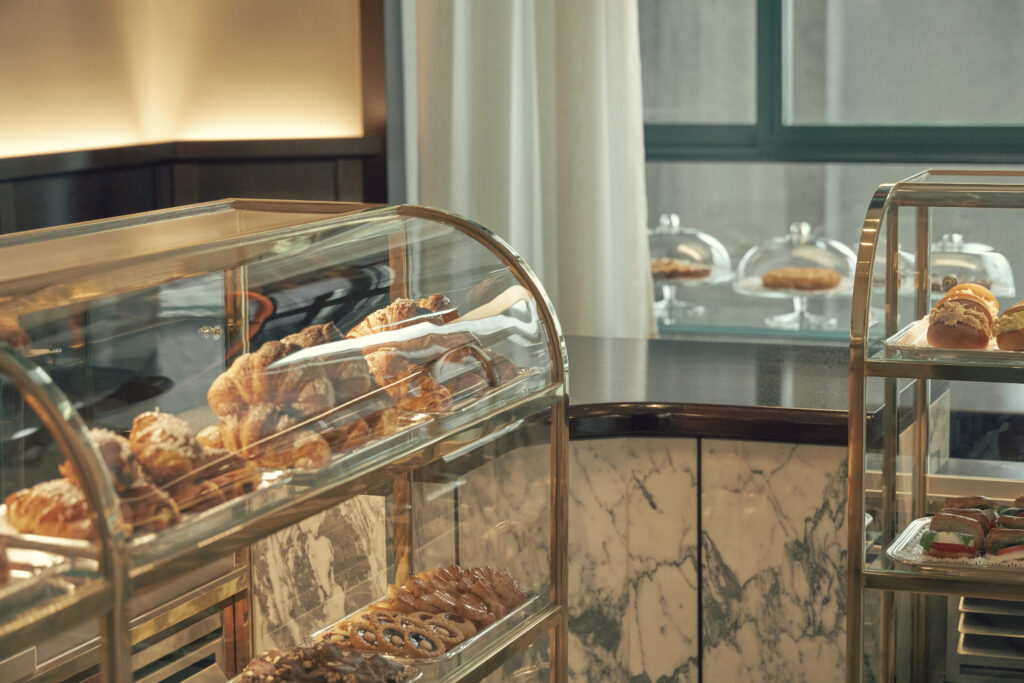
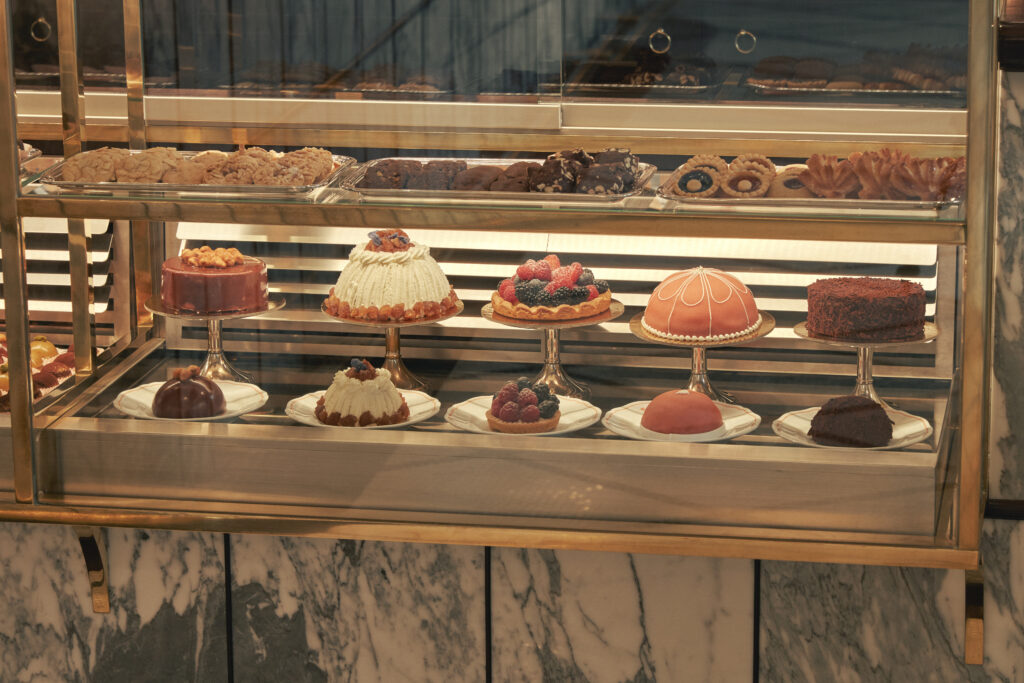
The menu is the clearest example. If you look at the crux of what we serve, it hasn’t changed since 1936. Vitello tonnato, Milanese risotto: these are not on the menu because they’re nostalgic. They’re on the menu because they’re correct. Nobody improves on a thing that has already been perfected. What evolves is the context, the conversation, the way the brand participates in culture. The collaborations, the spaces, the creative direction: these are the living parts of the brand. But they only work because they’re grafted onto something immovable at the center. When you go to Milan, Sant Ambroeus is more of a religion. That weight is not a constraint. It is the very thing that gives us permission to move.
You grew up close to this world. What did you learn early on about hospitality that still guides you today?
I understood what a room should feel like, what makes a guest feel held versus merely served, long before I could have explained it in a business conversation. My father built something that was never about the food or the design in isolation. It was always about the totality of the moment someone spends inside one of our spaces. What I carried forward is the belief that hospitality is not a product; it is a relationship. A guest who has been coming to us for twenty years trusts that we will be the same today as the first time they walked in. That trust is earned every single service, and it can be lost in a single one.
What makes a collaboration feel like a true extension of the house rather than a marketing exercise?
The question we always ask is: does this feel like it already belongs? If you have to explain why Sant Ambroeus and Saint Laurent makes sense, then it doesn’t make sense. The best collaborations are ones where both houses recognize something in each other before the conversation even begins. We have a creative director precisely because we take seriously the idea that Sant Ambroeus is a cultural object, not only a restaurant. A marketing exercise looks outward and asks: what will make people notice us? A true collaboration looks inward and asks: what do we genuinely share? The answer to that second question is always more interesting, and always more durable.
Which design details carry the emotional weight of the brand, even if they look purely aesthetic from the outside?
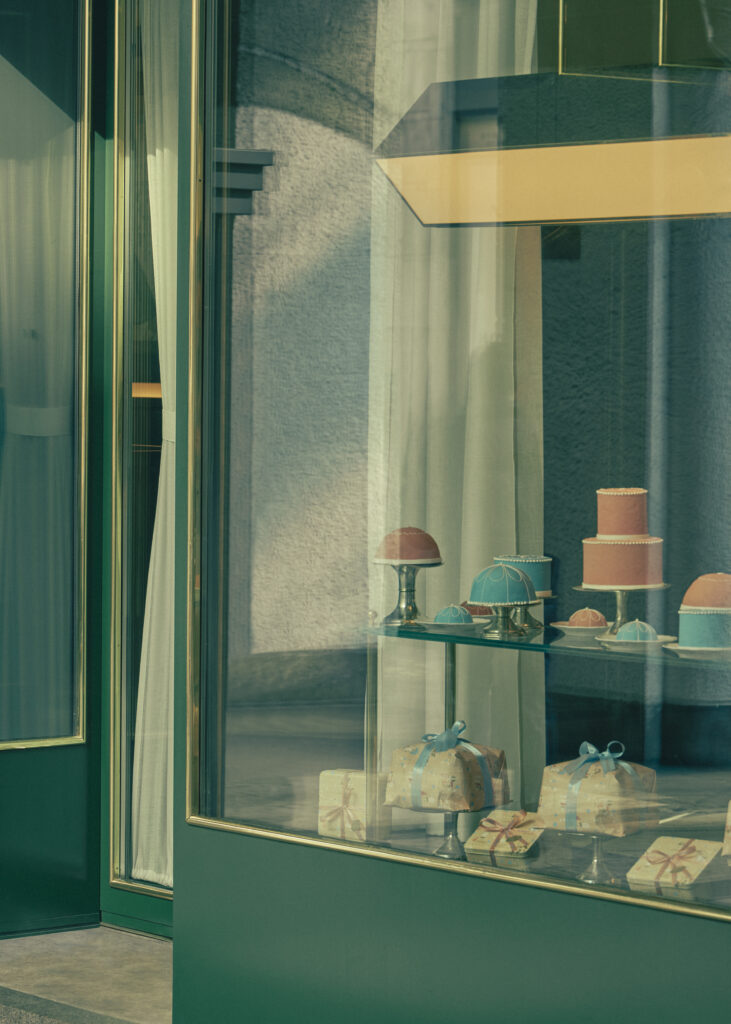
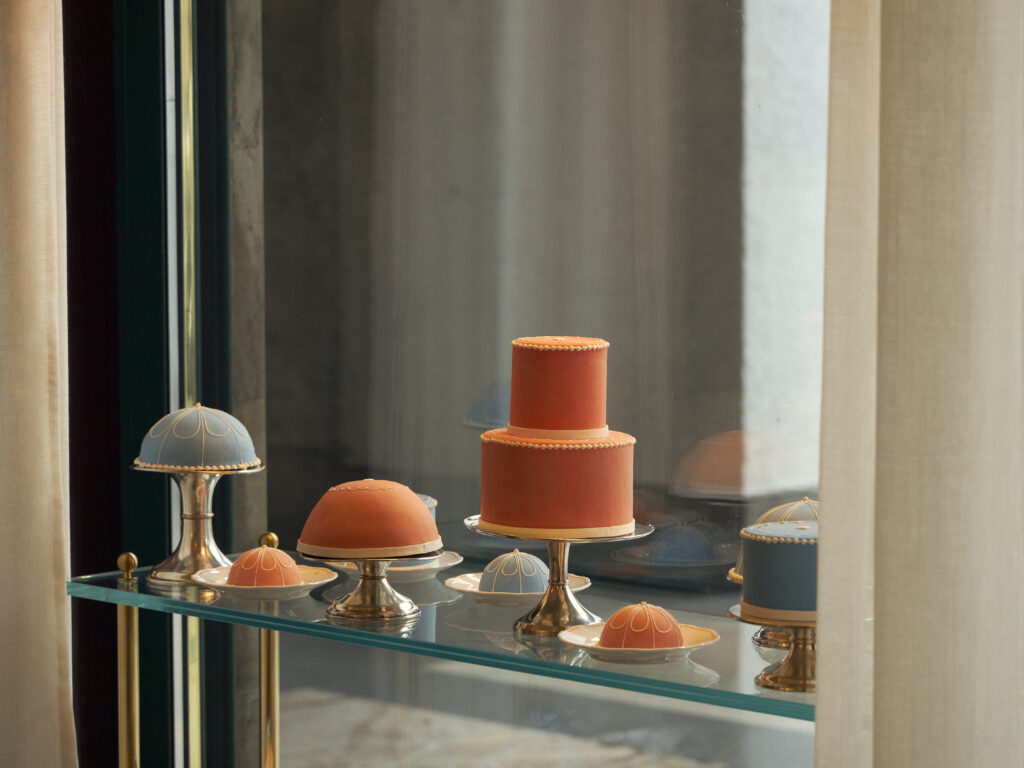
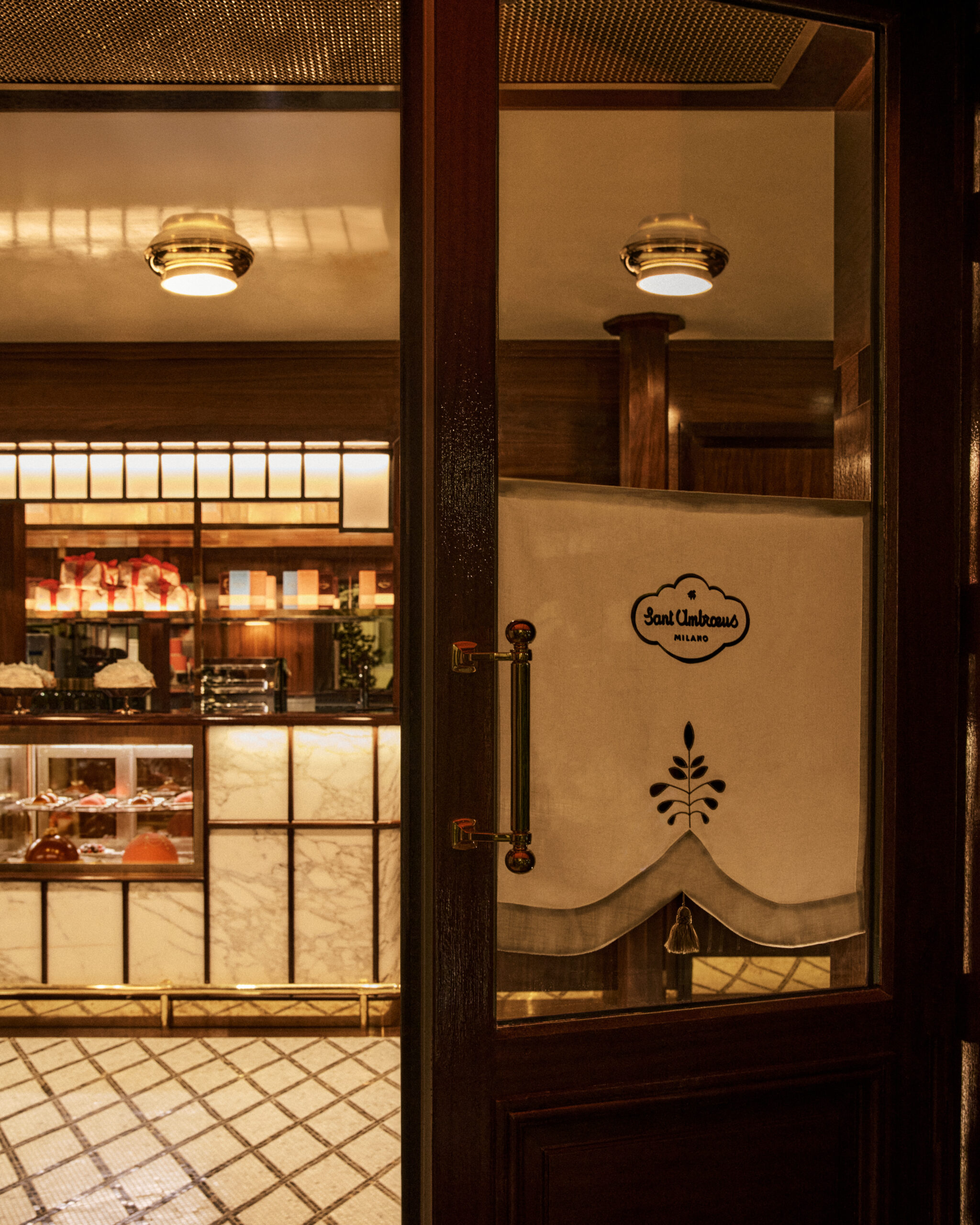
The pink is the obvious one, and people underestimate it. It’s not a color chosen from a mood board. It is the color of our original Milan location, carried across every decade and every new address. When you see it, you already know where you are before you’ve read a single word. The custom Ginori plates are another. Everything that arrives at your table has been thought about, not to impress you but to honor the experience. The bas-reliefs in our Paris space, glass panels depicting Milan and New York, are perhaps the clearest expression of what the brand carries: two cities, two chapters of the same story, and a conversation between them that is still ongoing.
Can you think of two moments when someone’s act of hospitality made you feel truly special?
One moment I return to often happened in a small place in Milan, years ago, where the owner knew my father. He looked at me with a kind of recognition that had nothing to do with what I had personally accomplished yet. He simply said, we know who you are, sit down, and brought things to the table without my asking. The message was: you are not a stranger here. That is perhaps the most powerful thing hospitality can say to a person. The second happened gradually, over many returns to a hotel in the south of Italy, run by a family that has been there for generations. Each time I came back, they remembered something small from the previous visit. Not my name, not my room number, something personal. That kind of attention is not a system or a training exercise. It is care. And in this industry, care is the rarest luxury of all.