
Across two hotels with opposite personalities, Valentina De Santis makes the case for a kind of hospitality shaped less by perfection than by memory, instinct and human presence.
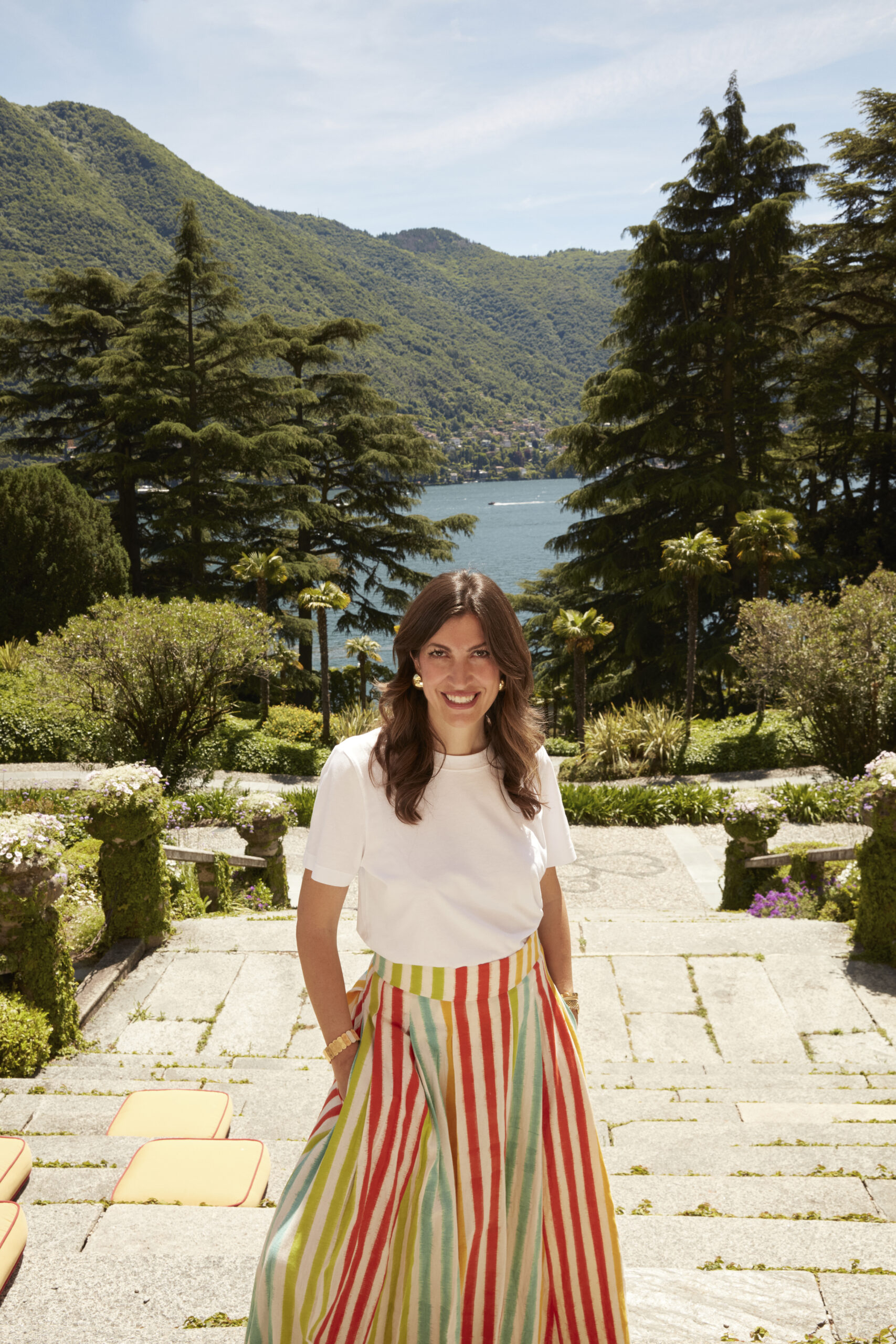
Before Valentina De Santis learned how to run a hotel, she learned how to disappear inside one. As a child, she moved through the corridors of the Grand Hotel Tremezzo, slipped into its kitchens and back rooms and watched guests being welcomed as old friends, because the family business was also the place where she grew up.
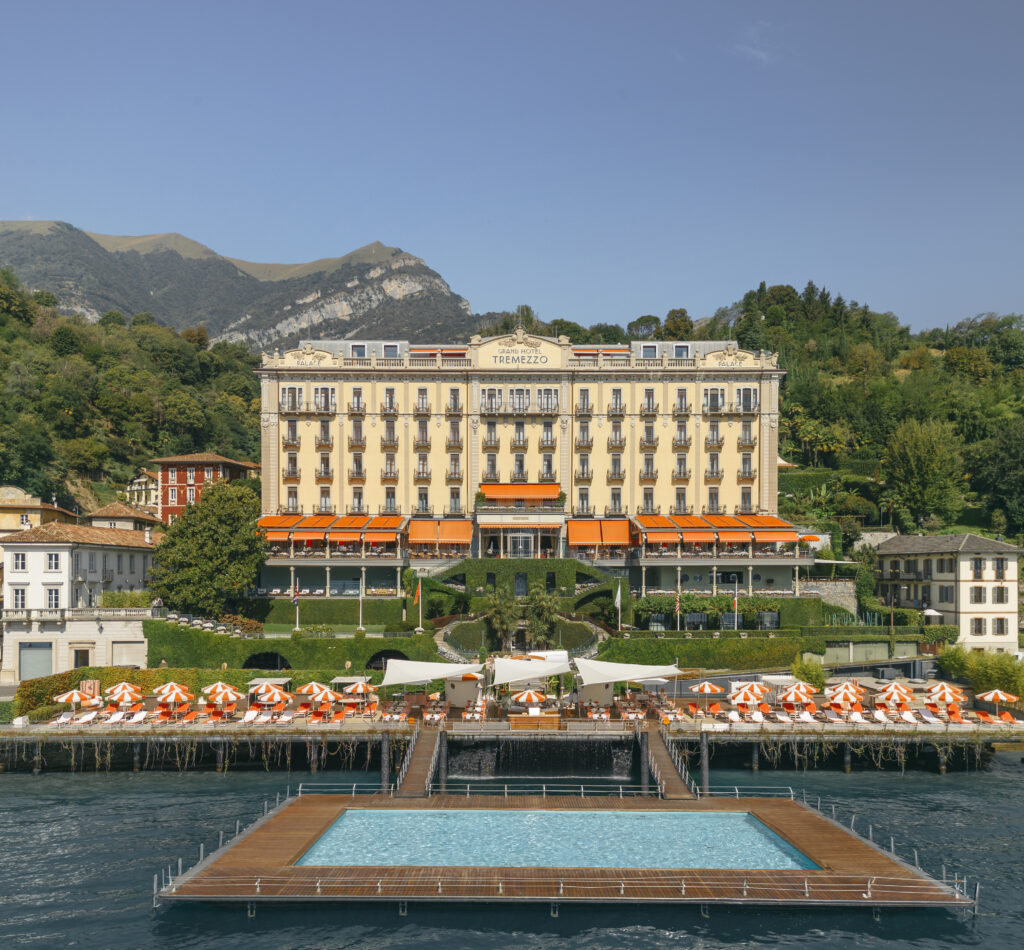
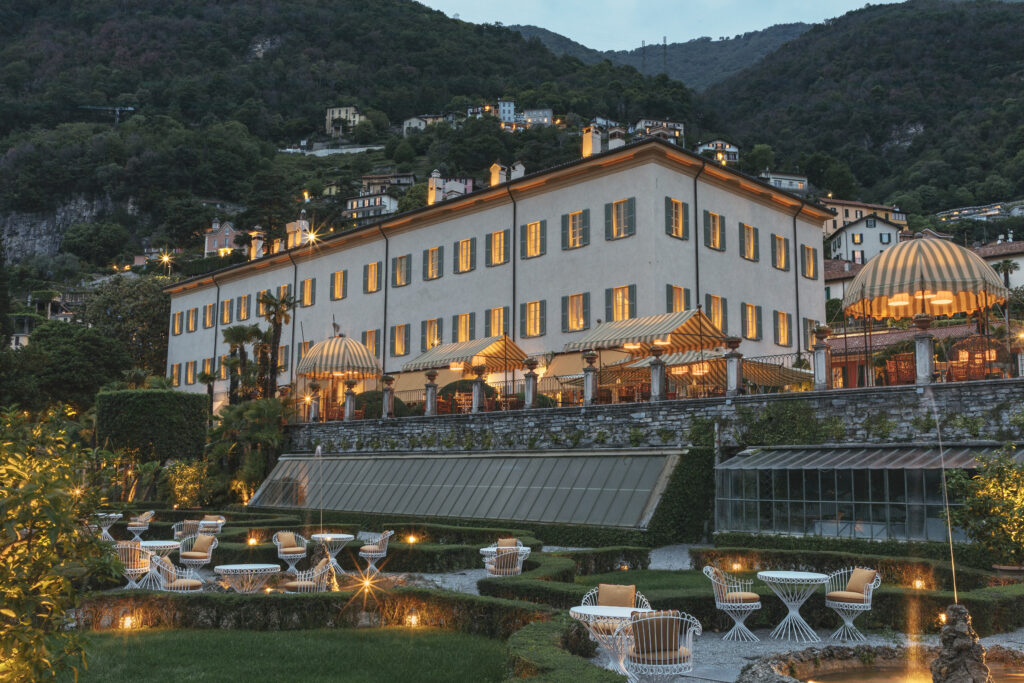
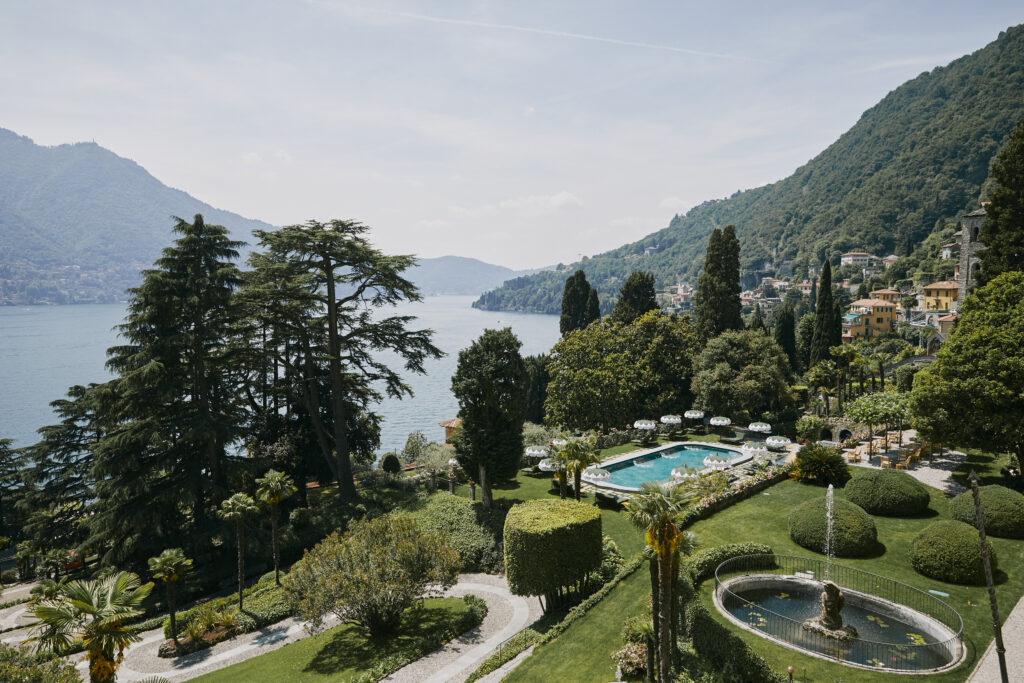
Today, she works alongside her parents, Paolo and Antonella De Santis, across two properties that share the same values without behaving like twins. The Grand Hotel Tremezzo retains the movement and theatricality of a Belle Époque grand hotel, while Passalacqua, acquired by the family in 2018 and opened as a hotel in June 2022, occupies a late eighteenth century villa in Moltrasio. Its 24 accommodations are distributed among the Villa, the Palazzo and Casa al Lago, surrounded by seven acres of gardens that descend toward Lake Como.
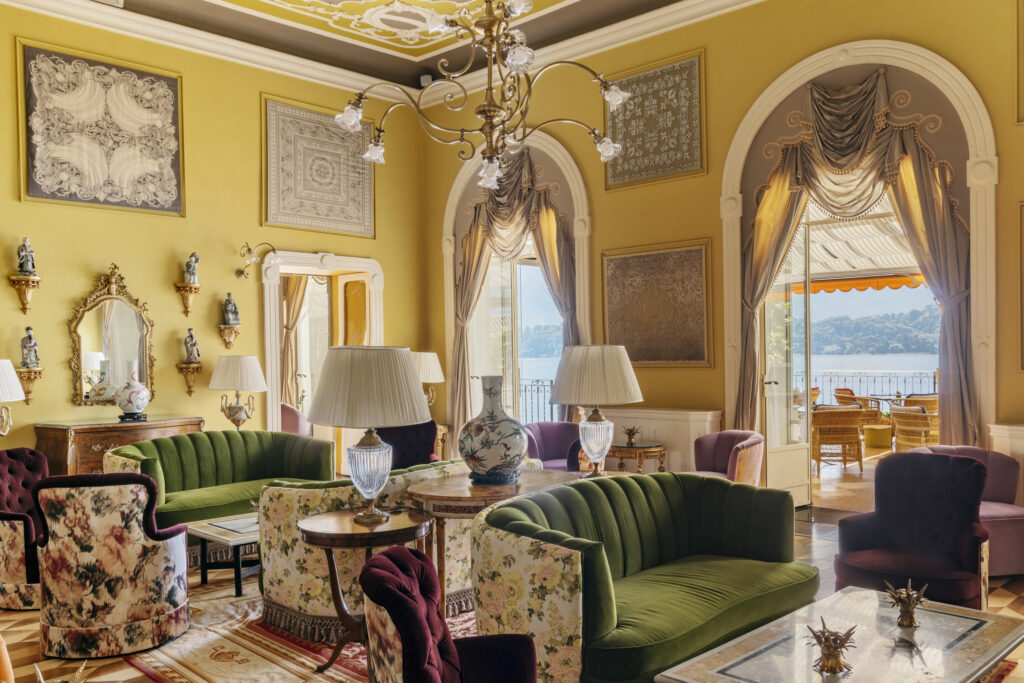
That intimacy revives a word almost lost from the contemporary vocabulary of travel: villeggiatura, the Italian art of moving one’s life to a country house for a season. Enlarged for Count Andrea Lucini-Passalacqua by the architect Carlo Felice Soave, the villa had accumulated many stories long before it welcomed hotel guests. Vincenzo Bellini composed La Sonnambula there during a stay in 1831, and the restoration sought to add another layer to that history while preserving the intimacy of a home rather than turning it into theater.
LM: Growing up in a hotel can sound like a childhood surrounded by glamour. What did it really teach you?
VDS: I learnt very quickly that a hotel is not a building full of beautiful rooms. It is an extended family, made up of hundreds of people taking care of one another.
LM: How do you balance intuition and strategy when shaping the future of the hotels?
VDS: There are decisions you can analyze for weeks, and others where you simply know: this is right. Passalacqua was very much like that. I feel instinct serves me and my family best when we are dreaming about the future of our company. Whenever we truly listen to our gut, those decisions prove themselves in the numbers, too.
LM: Your family has cared for properties on Lake Como for generations. How do you honor that legacy without allowing it to stand still?
VDS: We are guardians and caretakers before we are entrepreneurs and hosts. The best way to honor the past is, as the saying goes, to “tend the flame, not worship the ashes.” I was lucky enough to inherit incredibly passionate flames, and my goal from the beginning has been to keep the magic alive for generations to come.
LM: What new chapter did Passalacqua allow you to write?
VDS: A completely new chapter in the story of hospitality on the lake. The minute we first entered its gates, we saw the possibility of creating something special, deeply personal, and completely different from the Grand Hotel Tremezzo. A real home where guests could rediscover the lost art of villeggiatura.
LM: Many hotels pursue perfection. Passalacqua seems to pursue intimacy. What is the difference?
VDS: At the heart of everything lies the genius loci of a place. It needs to be discovered and allowed to permeate the entire project. Only then can a place come to life and have a soul of its own. It is not simply architecture, furnishings, or design, but something intangible, not always easy to identify, that comes from the history, traditions, and culture of a destination, including its local and popular culture.
LM: How do the two hotels maintain distinct identities while sharing one vision of hospitality?
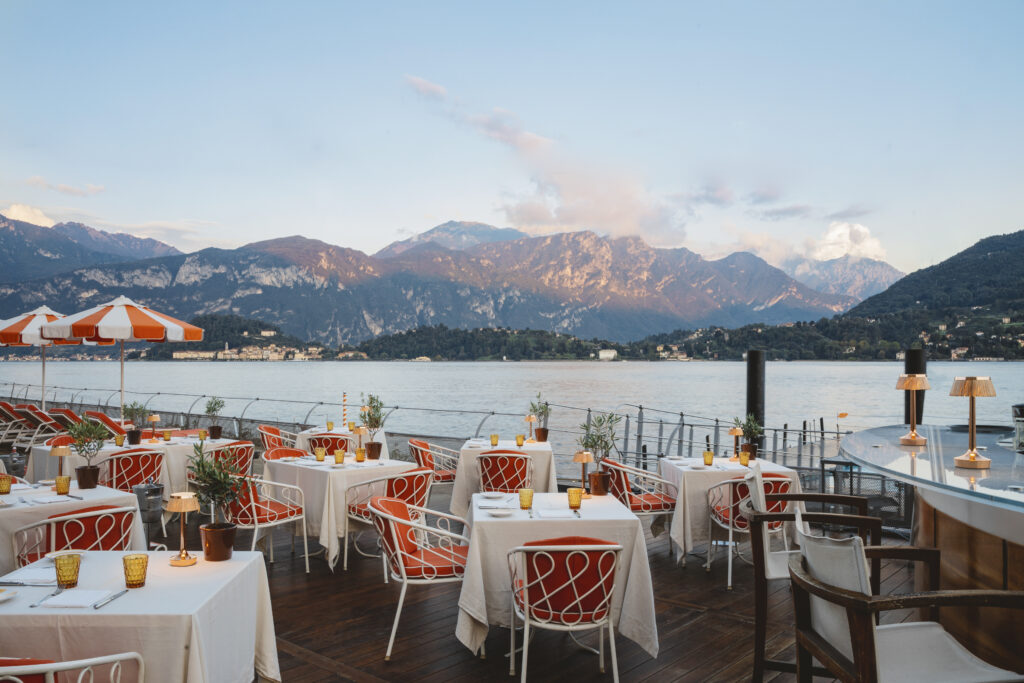
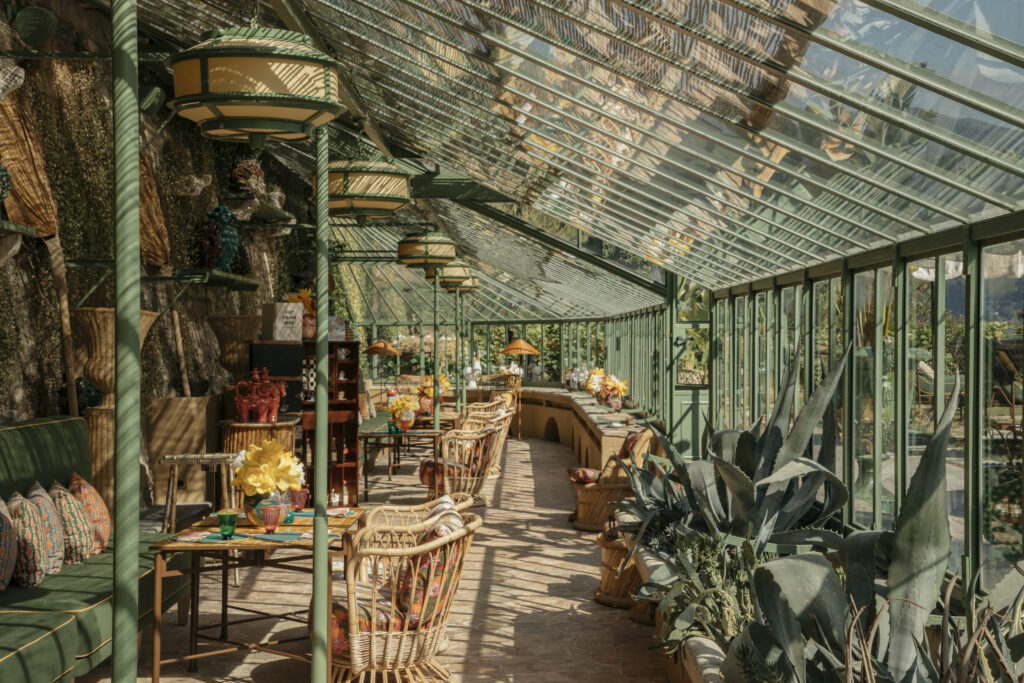
VDS: Our vision is rooted in family, heritage, and true Italianity. But we never wanted the two properties to look or feel the same. The Grand Hotel Tremezzo is a glamorous and vibrant Belle Époque grand hotel, while Passalacqua is an intimate villa, ready to welcome guests as if they were at home. Their personalities are completely different. The way we care for our guests is the same.
LM: When did you know Passalacqua had become what you imagined?
VDS: On the first day of opening, one of our first guests took a picture and commented, “Just opened, and it is already a classic.” To me, that says it all.
LM: Is the meaning of luxury changing?
VDS: We are witnessing a shift away from an excess-driven model towards something far more powerful: emotional exclusivity. Privacy is becoming one of the most valuable commodities in hospitality. Heritage and authenticity are outpacing newness, while silence and space are becoming the true luxuries to seek. Luxury is now about meaning. It is about what no one else can access.
LM: Can technology replace part of the craft of hospitality?
VDS: Hospitality is ultimately about relationships and human connection. Technology can make many things faster and more efficient, but nothing will replace the care and warmth that a genuine smile can make you feel.
LM: What do you hope will never change over the next twenty years?
VDS: The passion of the people behind it.
LM: What legacy would you like to leave?
VDS: I hope I will have shown that a touch of femininity is something hospitality will always need.
LM: What detail matters as much in your own home as it does in the hotels?
VDS: Flowers can create magic. A room can be beautiful, but put the right flowers in it and suddenly it feels alive.