The Global Nomads Presents Wilderness in São Paulo
An intimate lunch exploring how the Wilderness approach to hospitality is considered in every detail
By Letícia Lima Lauirno
With Wilderness representative Clara del Castello attending the lunch hosted by The Global Nomads, the conversation moved beyond the world of hospitality to address a broader question: how can we experience some of the planet’s most extraordinary territories without remaining mere spectators?
Throughout the gathering, a visual journey across different African landscapes helped bring this idea to life. Savannas, forests, rivers and conservation areas emerged as a collective vision of living ecosystems, shaped by the continuous relationship between nature, wildlife and local communities. It is at this meeting point that Wilderness builds its philosophy. More than destinations, these landscapes become presences that guide the entire experience.
Founded in 1983, the company is based on the idea that hospitality and conservation provide the foundation for a meaningful experience. Welcoming travellers to remote regions generates resources to protect habitats, support research, restore natural areas and contribute to the preservation of flora and fauna. At the same time, it supports local economies through partnerships established according to the needs of each territory. In this context, travel also means participating, even if only for a few days, in the life and continuity of these places.
Read more: The Return of The Vineta
Part of the revenue generated by tourism returns to the areas where Wilderness operates through land-use fees, conservation initiatives, educational programmes and projects focused on community development. According to the company, its work currently helps protect 2.2 million hectares across eight African countries. These figures help convey the scale of an experience whose impact extends far beyond the stay itself.
This vision is organised around three principles: educate, empower and protect. In practice, they take shape through environmental education projects for children, professional training for local residents, support for scientific research, reforestation and measures designed to reduce conflict between communities and wildlife. Travel, therefore, is no longer an experience separate from the place, but becomes part of its continuity.
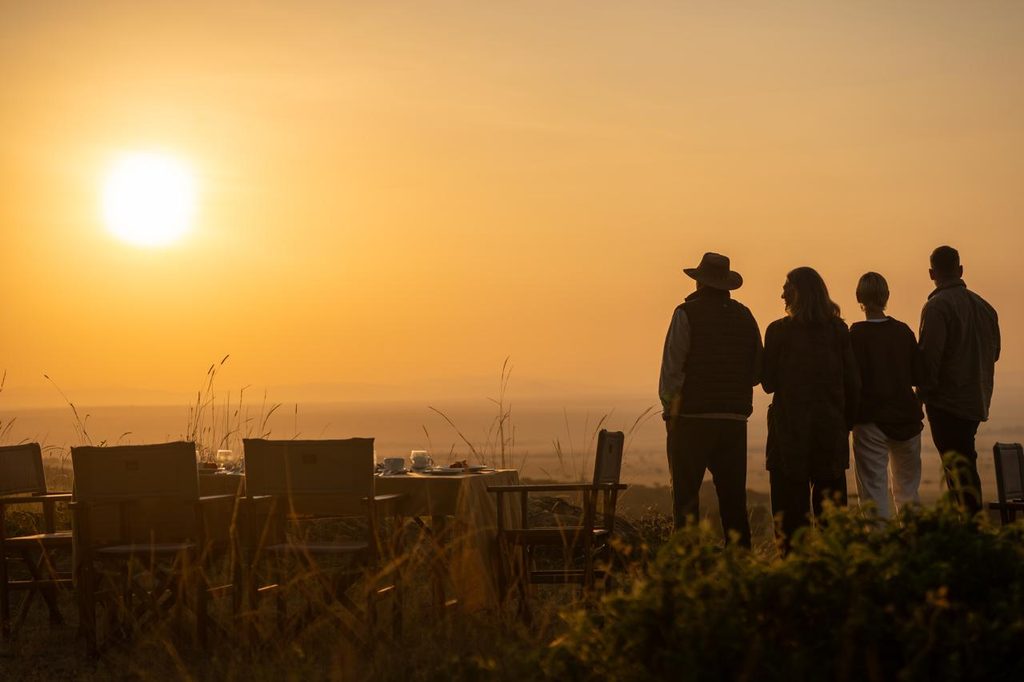
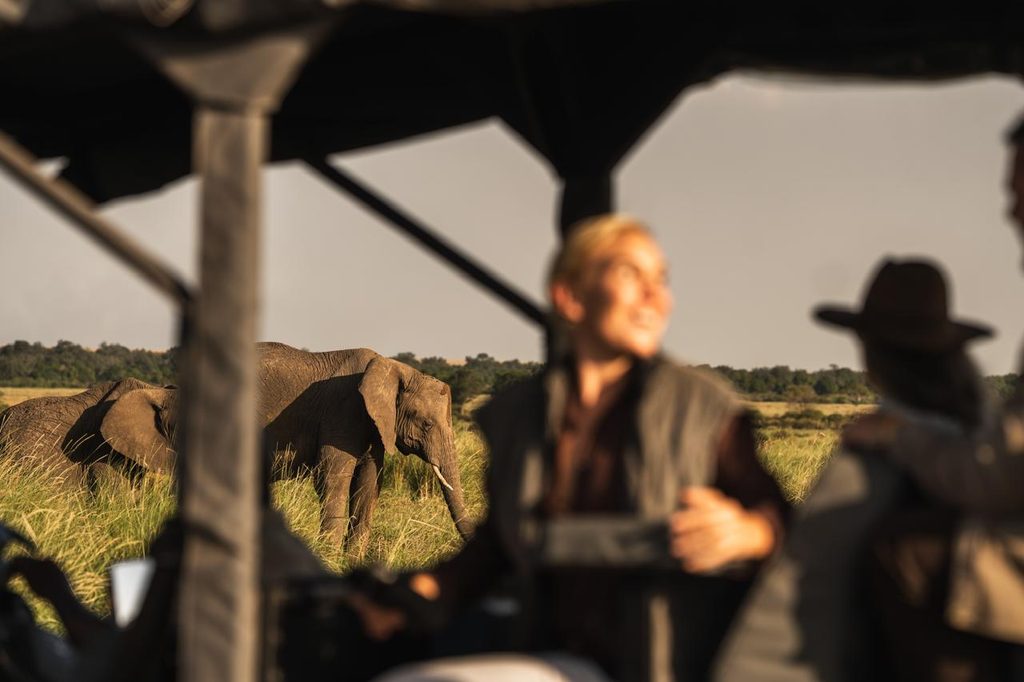
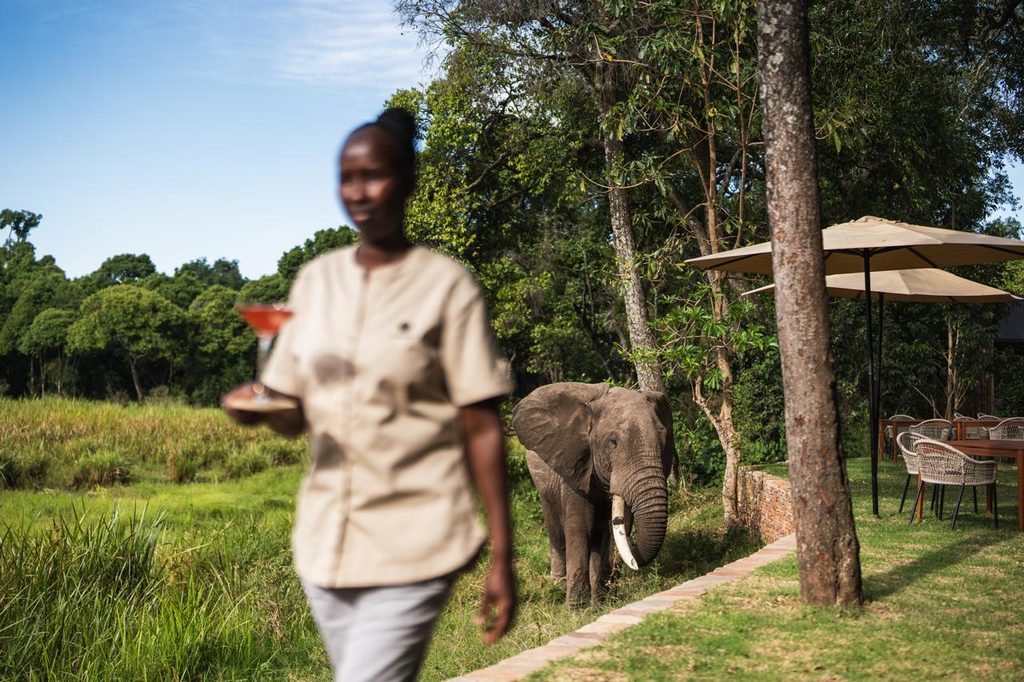
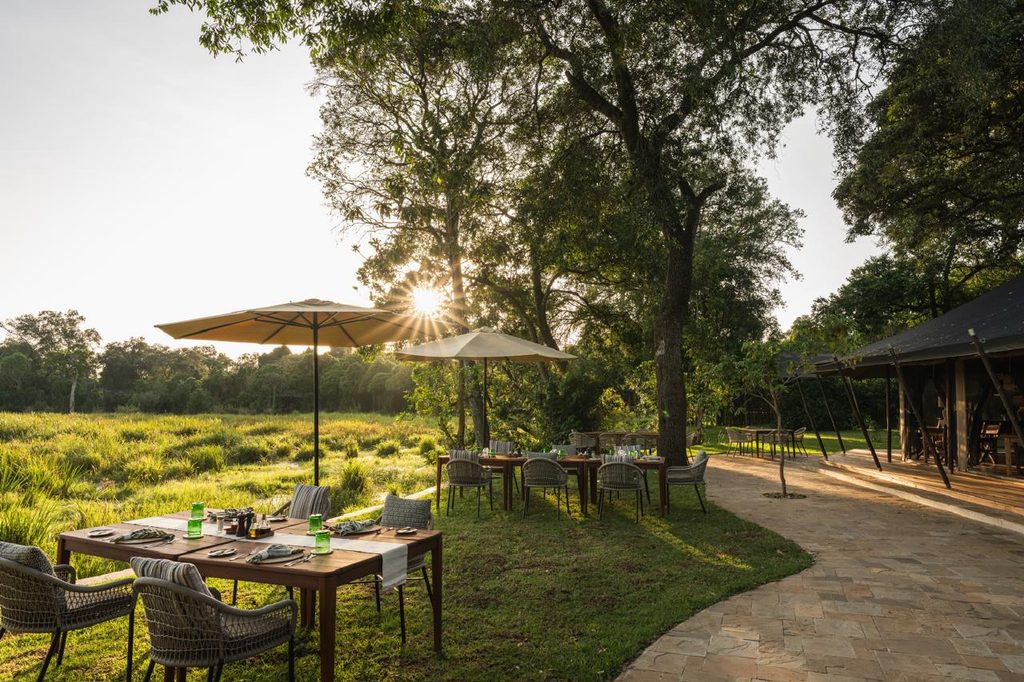
Rather than imposing themselves on the landscape, the properties seek to respect the scale, materials, knowledge and cultural identity of each region. Human presence is designed to remain discreet, allowing the rhythm of the territory to stay at the heart of the experience. The result is a form of hospitality that invites guests to observe before occupying and to understand before passing through.
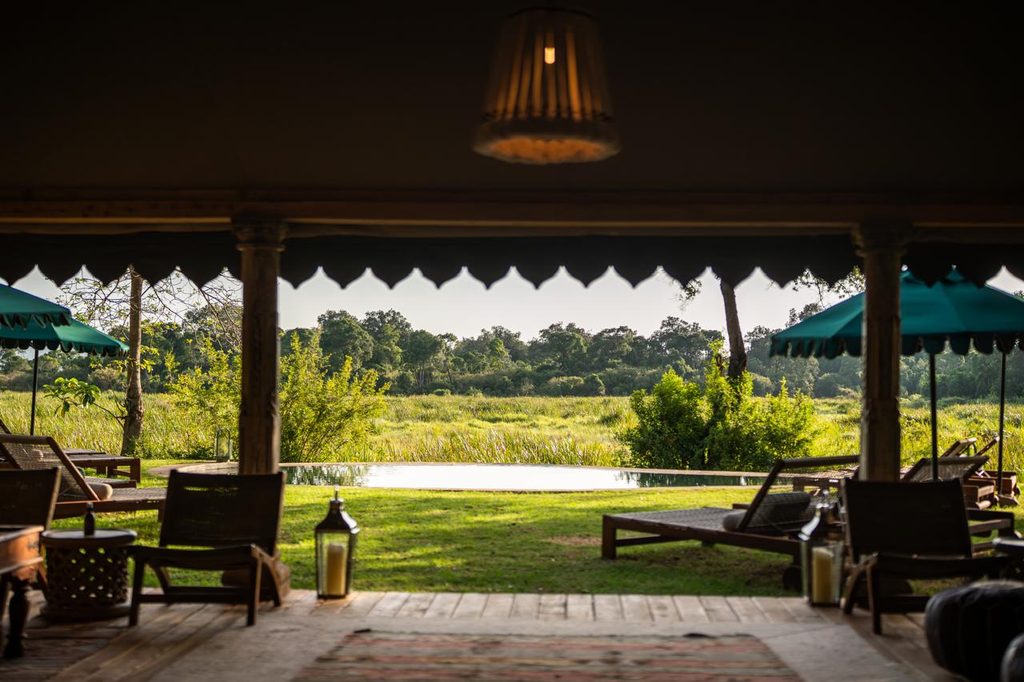
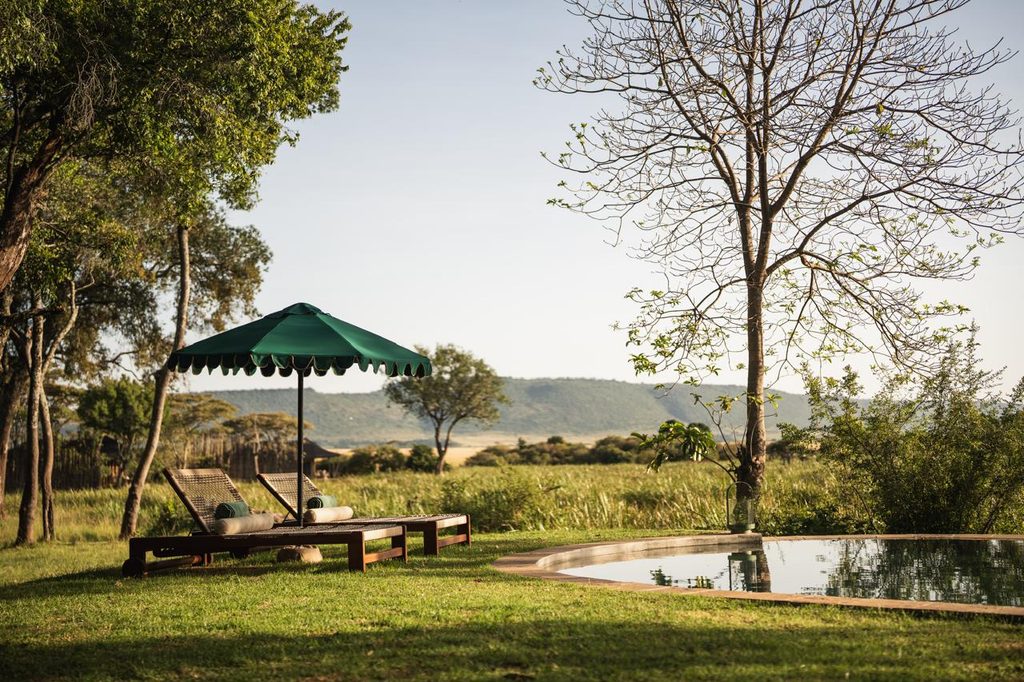
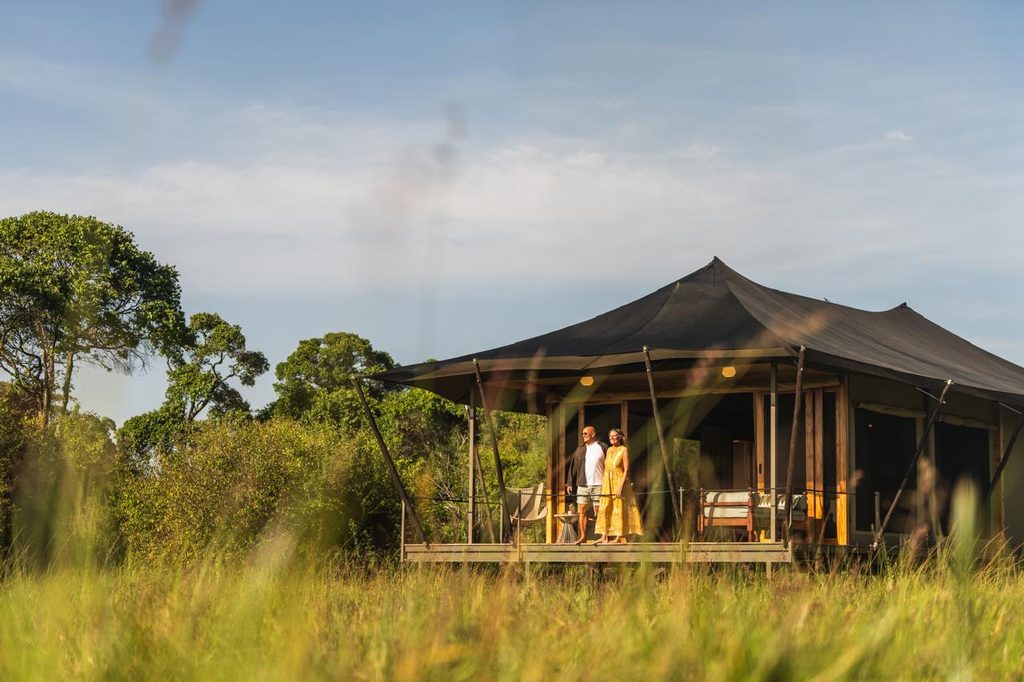
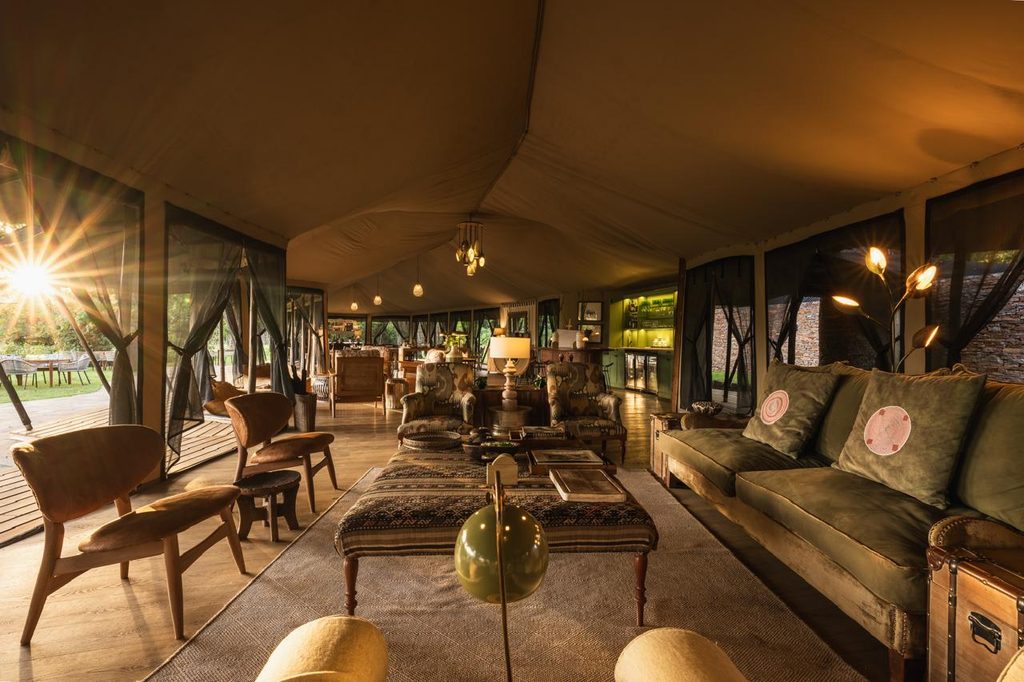
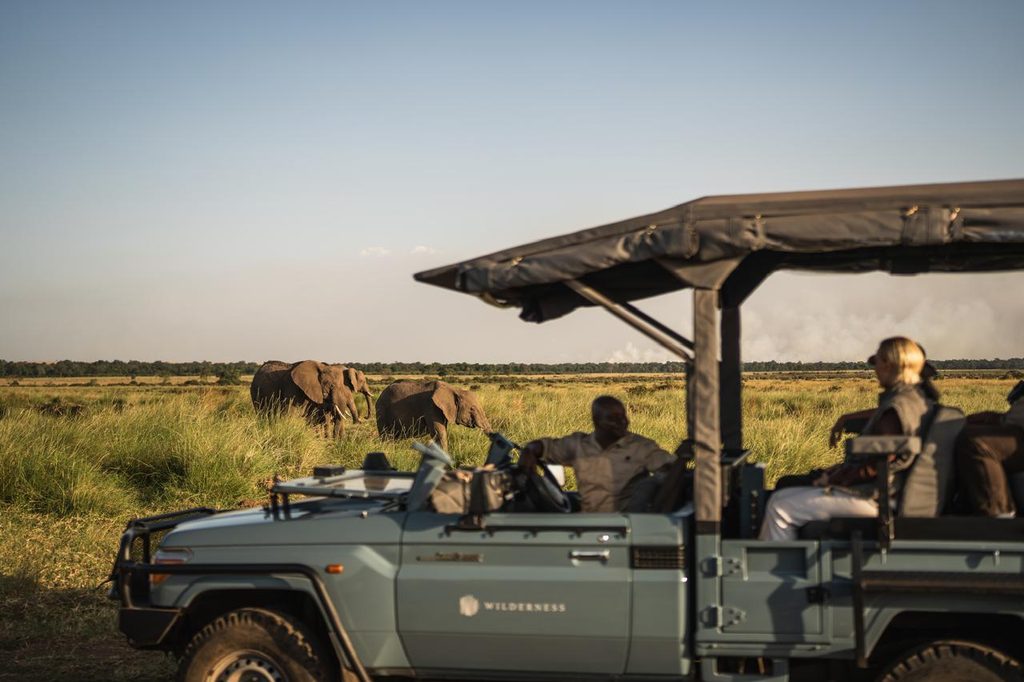
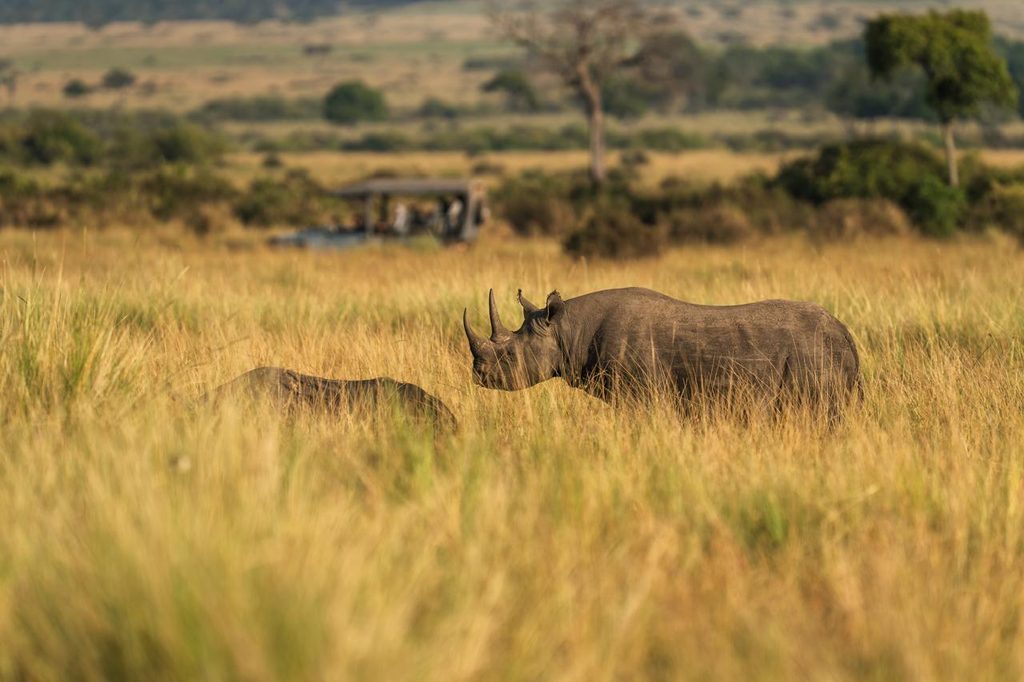
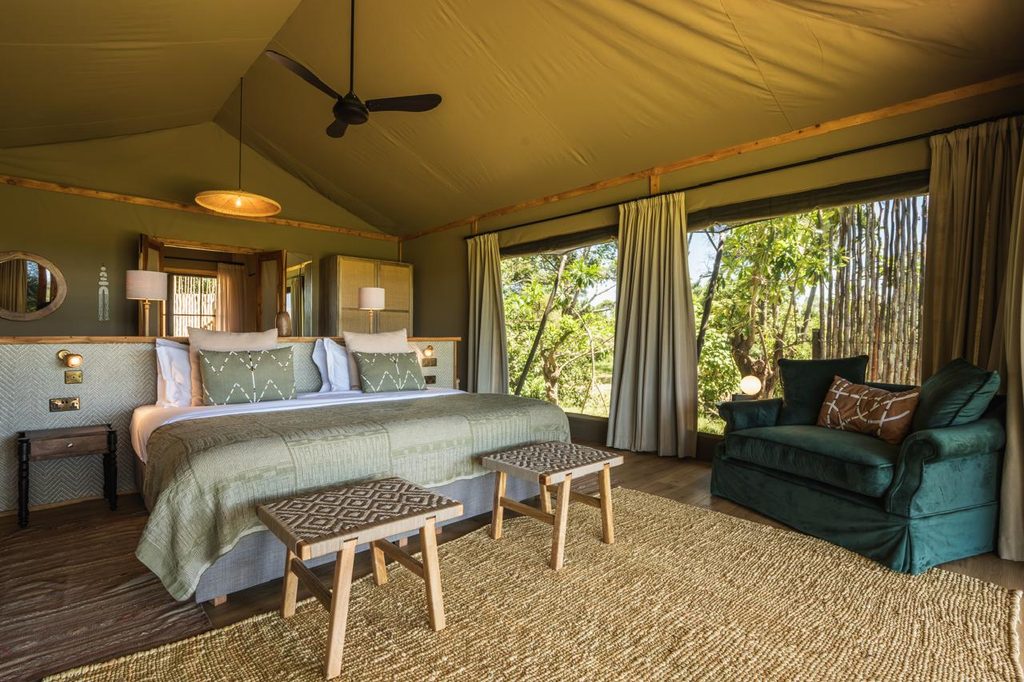
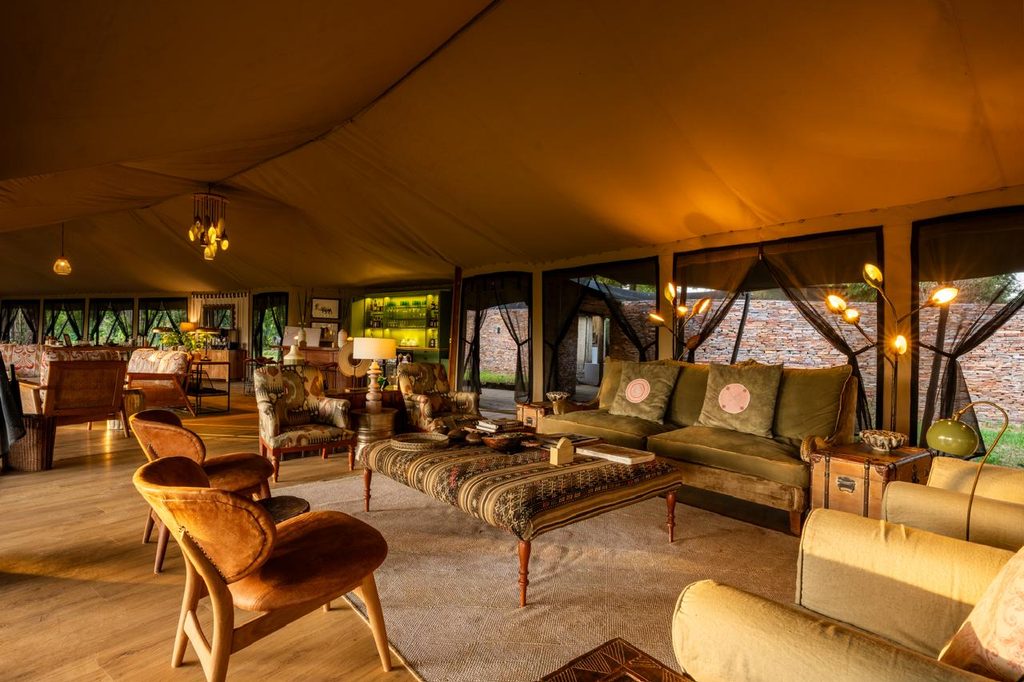
This philosophy entered a new chapter in June 2026 with the launch of Wilderness Mara in Kenya. Located on the banks of the Mara River, the project marks Wilderness’s arrival in the country and expands its presence within one of Africa’s most emblematic ecosystems. More than a new opening, Mara represents the continuation of a model committed to protecting the landscape, supporting reforestation and local livelihoods, and preserving the species that depend on this territory.
In the world of Wilderness, hospitality is not a pause removed from nature, but a way of drawing closer to it with attention, responsibility and purpose.