There are hotels that offer comfort, and there are hotels that quietly define a city. For over a century, The Mark has belonged firmly to the latter category. Anchoring Madison Avenue at 77th Street, it has long served as an unofficial living room for New York’s most discreet and discerning guests. Not because it seeks attention, but because it understands something rarer: how to host without spectacle and how to create memory without noise.
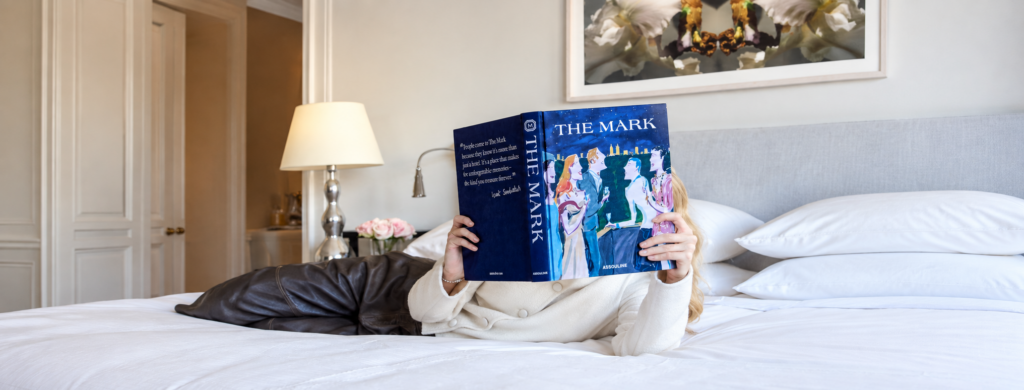
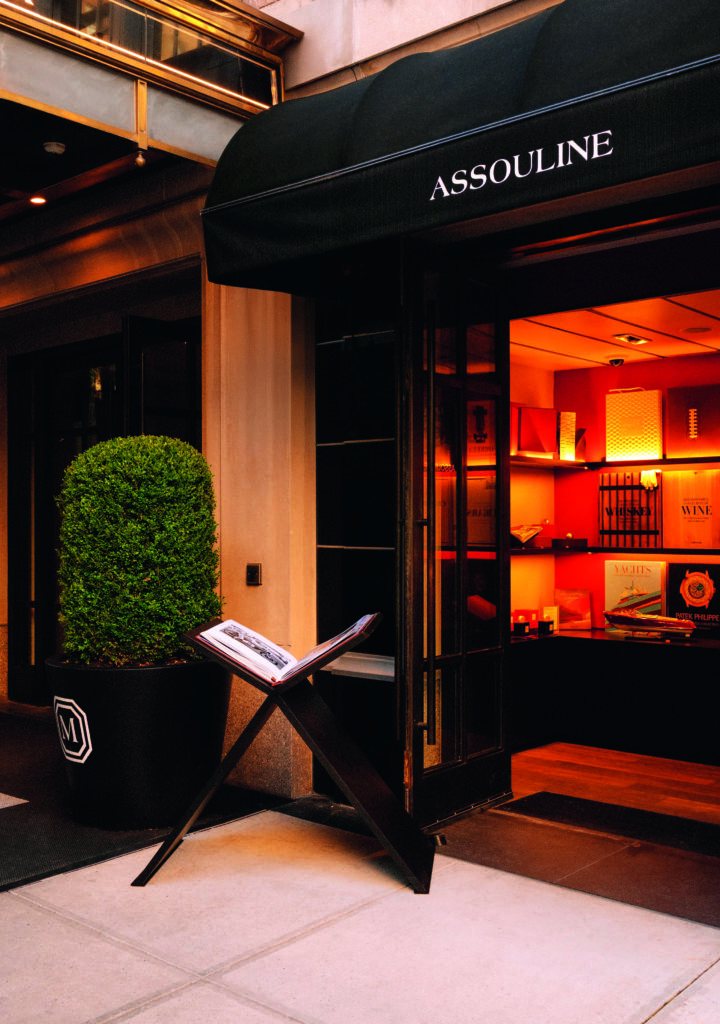
This season, The Mark becomes the subject of a new Assouline volume, part of the brand’s Hospitality Collection, written by Derek Blasberg. The book does not attempt to mythologize the hotel. It simply observes it. Through images, stories, and intimate details, it captures the spirit of a place that has always functioned as more than a hotel. The Mark is a pied à terre, a clubhouse, a stage, and a sanctuary, depending entirely on who is passing through its doors.
Originally opened in 1927, The Mark has witnessed nearly every iteration of New York sophistication. Its most defining transformation came in 2005, when French interior designer Jacques Grange reimagined the landmark property. Rather than erase its past, Grange refined it, bringing a distinctly Parisian sensibility to its interiors while preserving its architectural soul. The result is a hotel that feels both timeless and deeply personal, where modern art, custom furnishings, and quiet luxury coexist effortlessly.
What sets The Mark apart is not just design, but ritual. Guests come for the precision of Jean Georges Vongerichten’s cooking, whether at The Mark Restaurant, the Bar, or via in room dining executed with the same seriousness as a tasting menu. They come for Caviar Kaspia, for late nights that stretch gently into morning, and for the kind of service that feels anticipatory rather than performative. They come because The Mark understands how to create intimacy in a city defined by scale. Over the years, the hotel has become inseparable from certain moments in New York culture.
Each May, it transforms into the quiet epicenter of the Met Gala, where editors, designers, and cultural figures prepare behind closed doors before stepping into fashion’s most photographed night. Yet beyond these public moments, its real power lies in discretion. The Mark is known as much for who you do not see as for who you do. For Lifestyle magazine, The Mark holds a particular significance.
Our relationship with the hotel has always been rooted in shared values of elegance, culture, and authenticity. It was the setting for a special cover story featuring Claire Rose, captured within its walls in a way that reflected not fashion performance, but lived style.
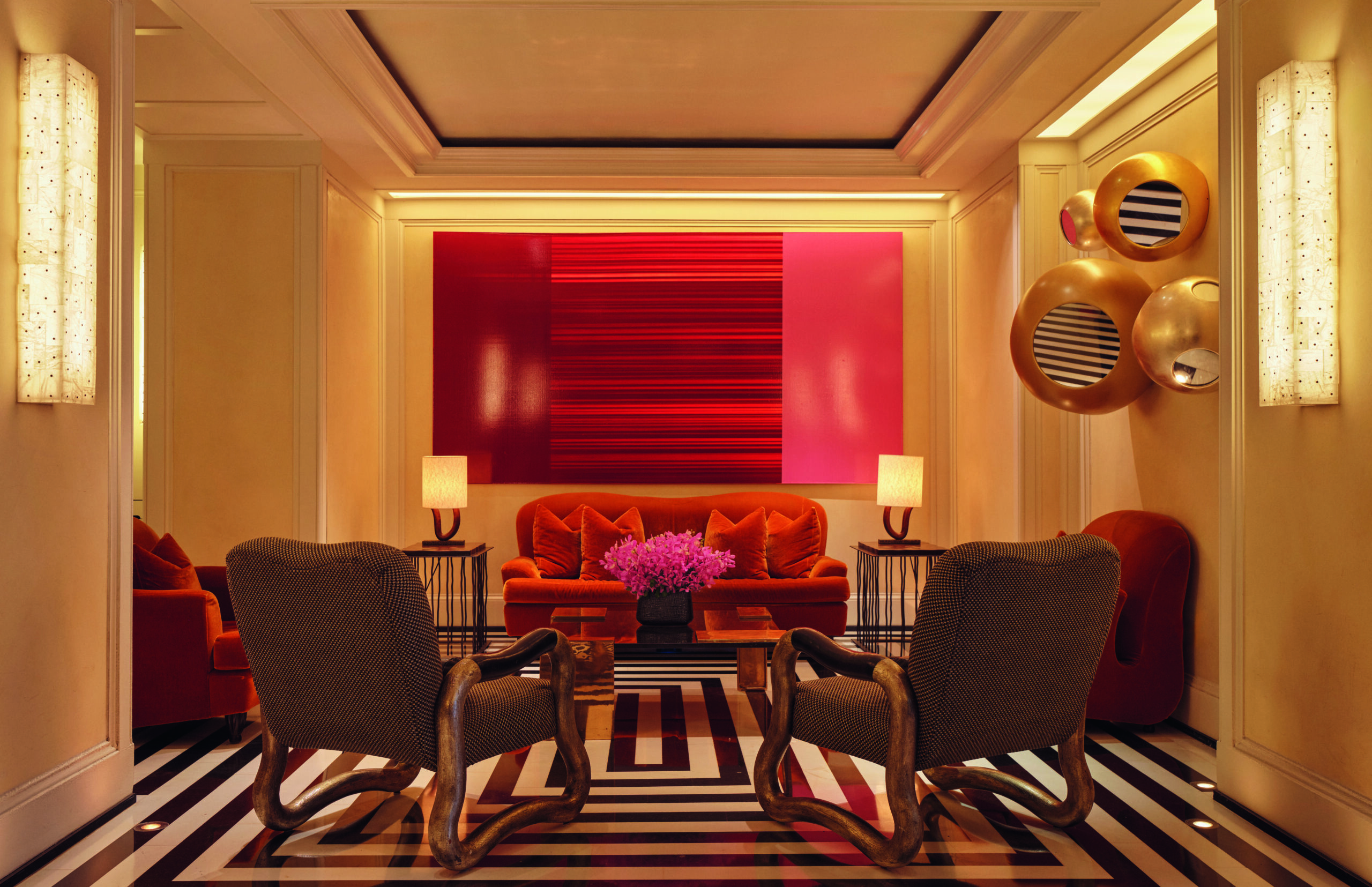
That collaboration was not about spectacle, but about atmosphere, a quality The Mark embodies instinctively. The Assouline book arrives not as a retrospective, but as a continuation. It affirms what those who know The Mark already understand: that luxury today is not about excess, but about intelligence, restraint, and soul. In a city that reinvents itself endlessly, The Mark remains remarkably constant.
It evolves, but it never loses its center. Some addresses shape a skyline. Others shape a way of life. For generations of New Yorkers and travelers alike, The Mark has quietly done both.