
The transformation of a historic coffee estate into a project that brings together vineyards, heritage architecture and a new way of living in the countryside.
By Letícia Lima Laurino
Between Cabreúva and Itupeva, about an hour from São Paulo, a former coffee estate founded in 1860 is being transformed by Vinhas da Invernada. The old coffee storehouse is set to house oak barrels for aging wine, while each future home will have its own vineyard.
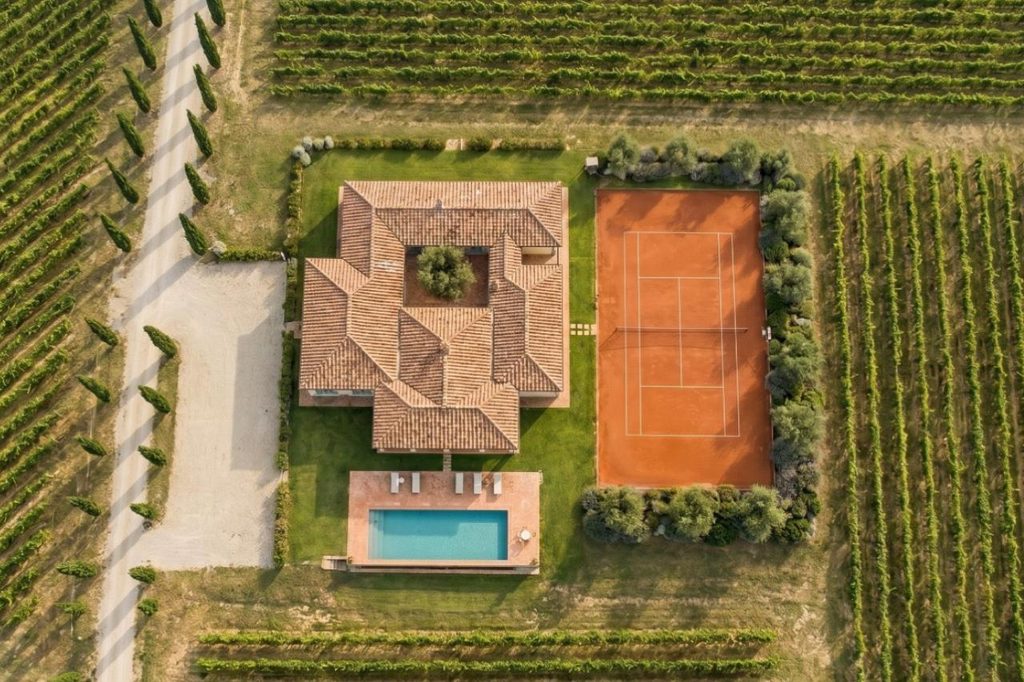
Wine came into the picture before the homes. The potential to grow wine grapes for the production of dry wines guided the choice of the estate. According to Daniel Miqueletto, the project’s master viticulturist, the soil, climate and altitude of this microregion in the Serra do Japi offer suitable conditions for production. Established vineyards in the surrounding area also helped inform the decision. Among the partners is Gabriela Moreno Sanches, who spent two decades working with the LVMH Group’s wine, champagne and spirits brands.
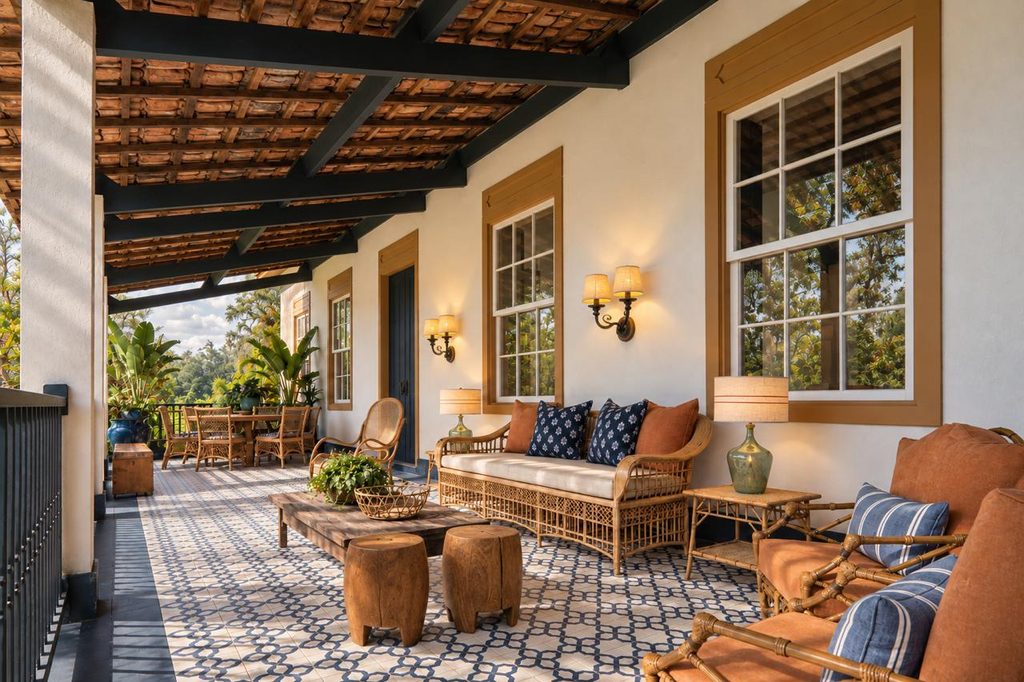
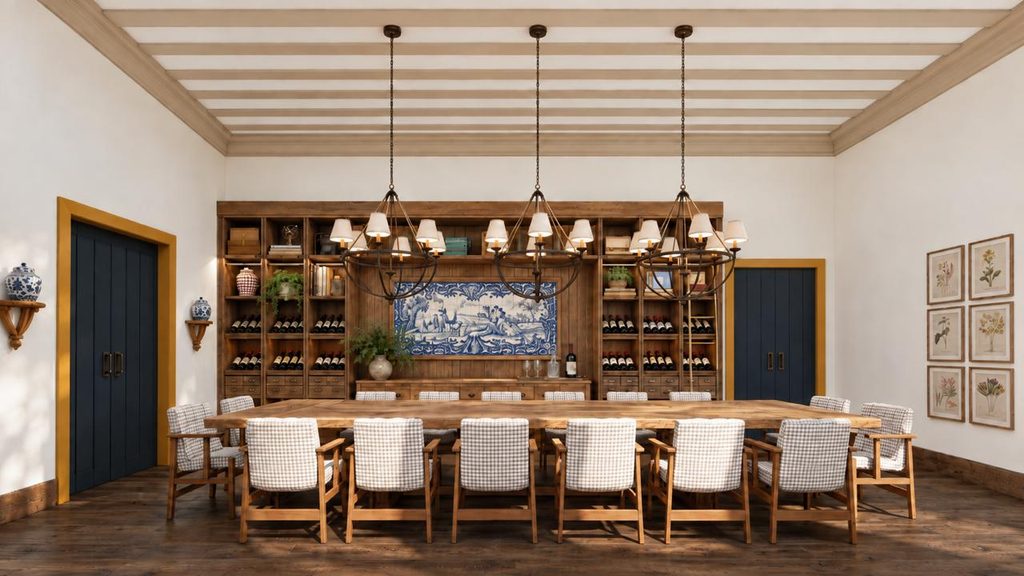
The private vineyards will occupy plots ranging from 20,000 to 35,000 square meters, laid out with careful consideration for the topography, views and privacy. Marcos Tomanik and Sylvia Chaves are responsible for the master plan and shared spaces. Sérgio Santana’s landscape design includes olive trees, cypresses, plane trees, and French and American oaks, which will become part of the estate’s landscape.
The historic main house will accommodate the Wine Club, reserved for homeowners, with a wine bar, tasting and game rooms, as well as spaces for working and gathering. Marina Linhares is designing the interiors of the main house, chapel and tennis bar, updating them while preserving their historic character.
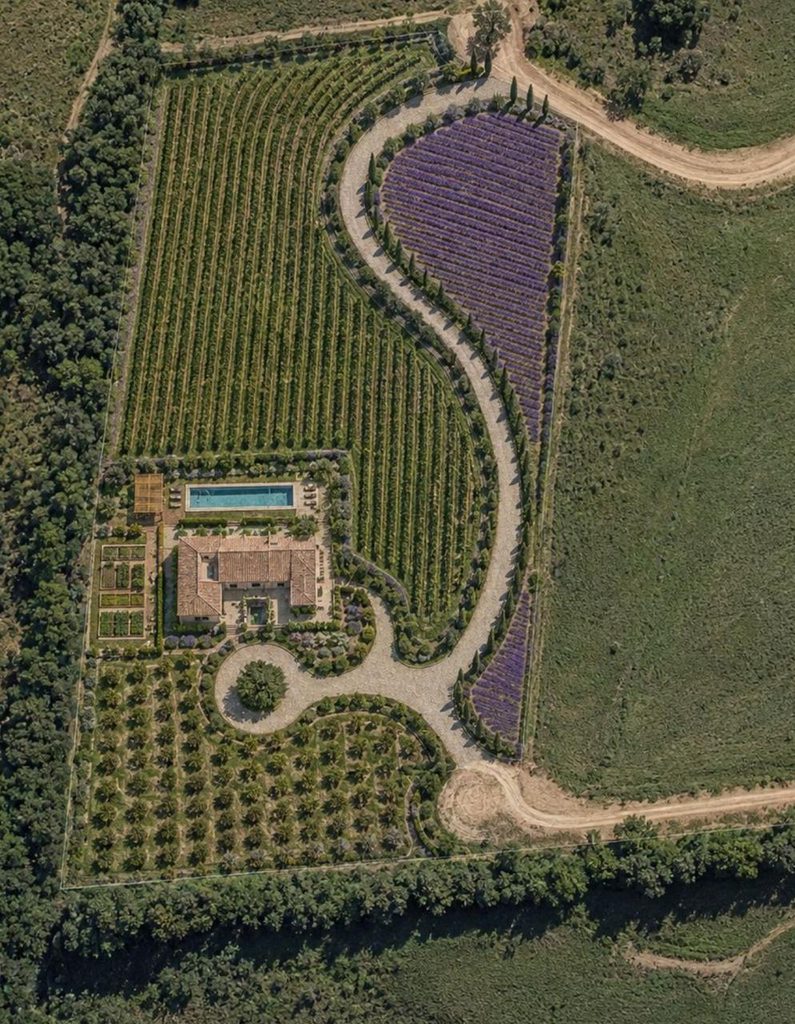
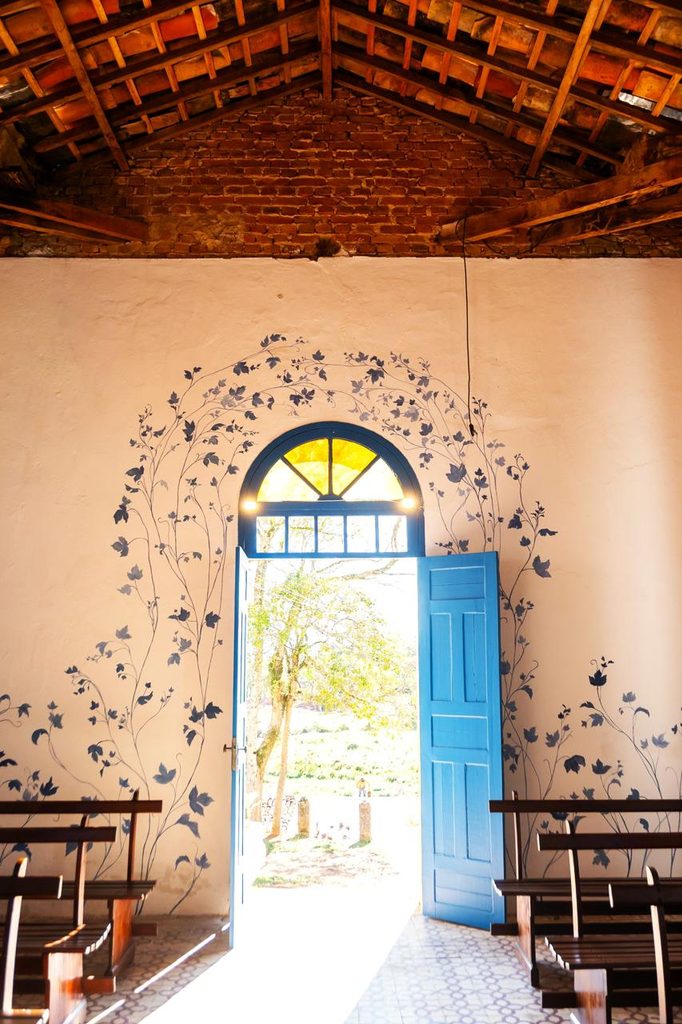
Built in 1860 at the heart of the estate, the Chapel of the True Vine will remain a place for prayer, meditation and celebrations. The former stables will be converted into a gym, while a second house will serve as a guesthouse for owners while their homes are under construction.
Read more: At the Table of Maison François 1er
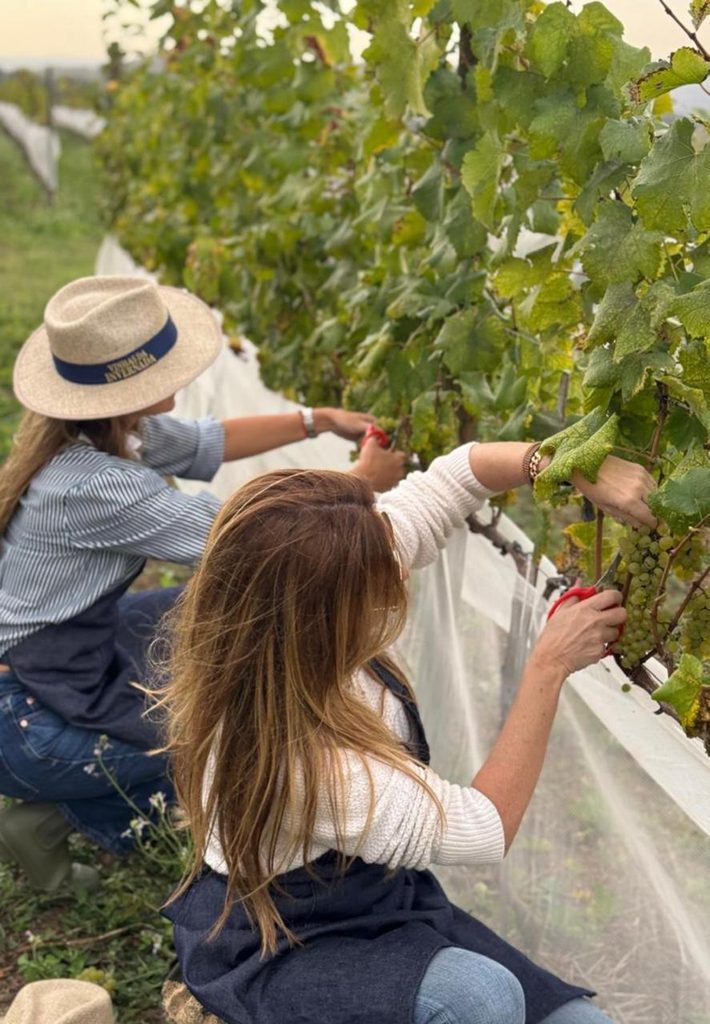
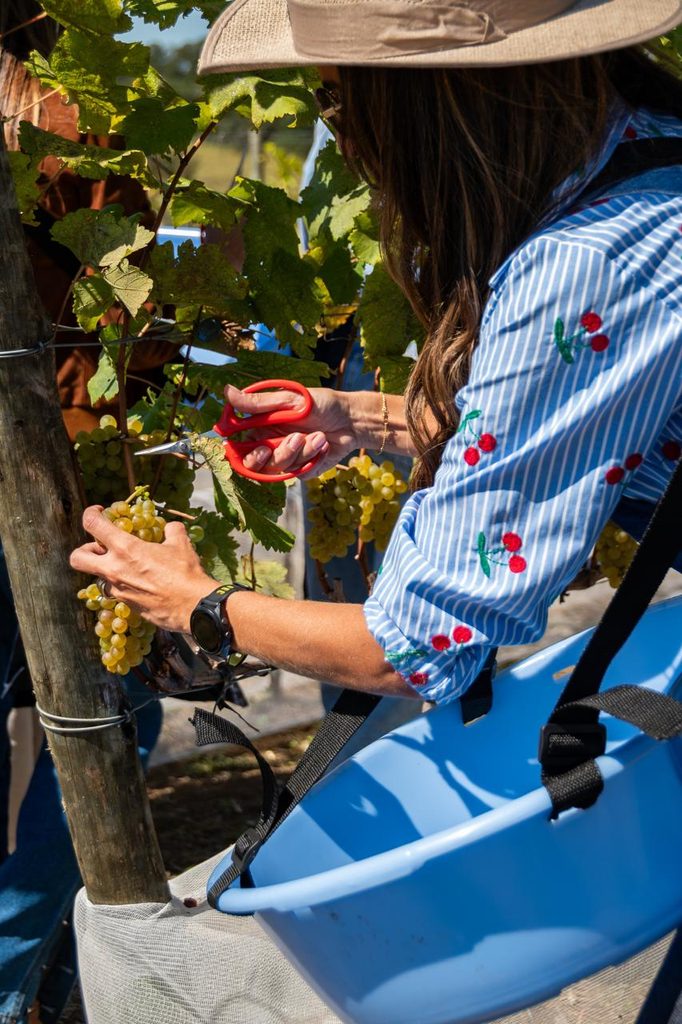
Within each property’s vineyard, owners may take part in everything from learning about planting to joining the harvests and following the stages of winemaking and bottling, with the possibility of producing wines under their own label. The technical team will support those who wish to become involved in cultivation and can also take full responsibility for tending the vines. The project calls this approach to living alongside one’s own vineyard Terroir Living.
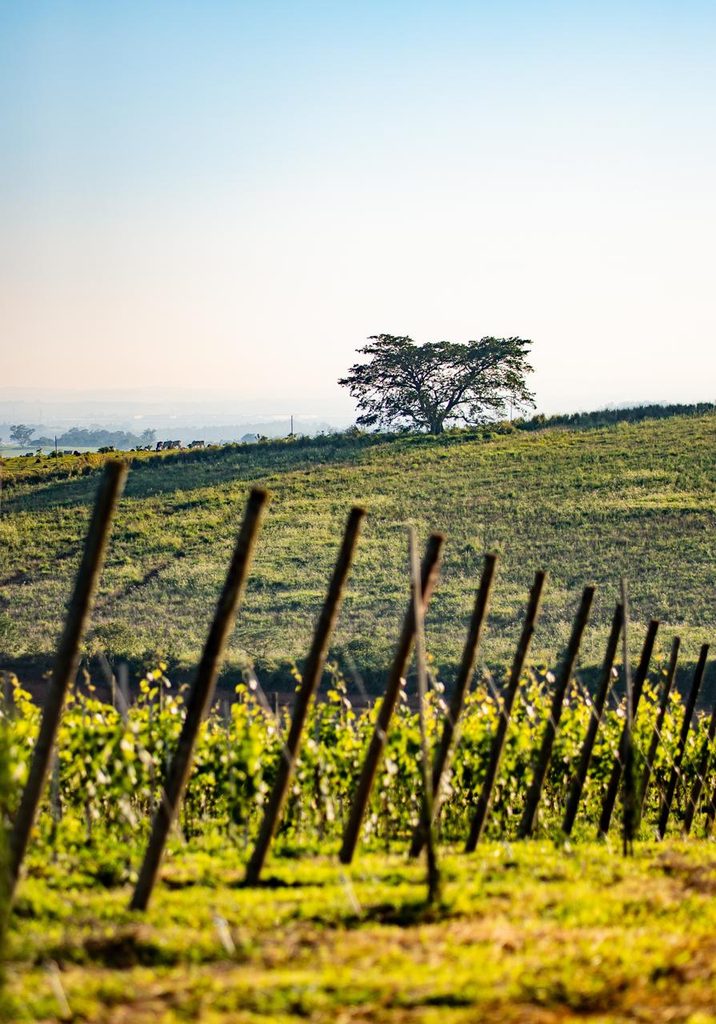
A winery will be built beside the growing areas and integrated with a restaurant, with further details yet to be announced.
Photos: Courtesy of Vinhas da Invernada