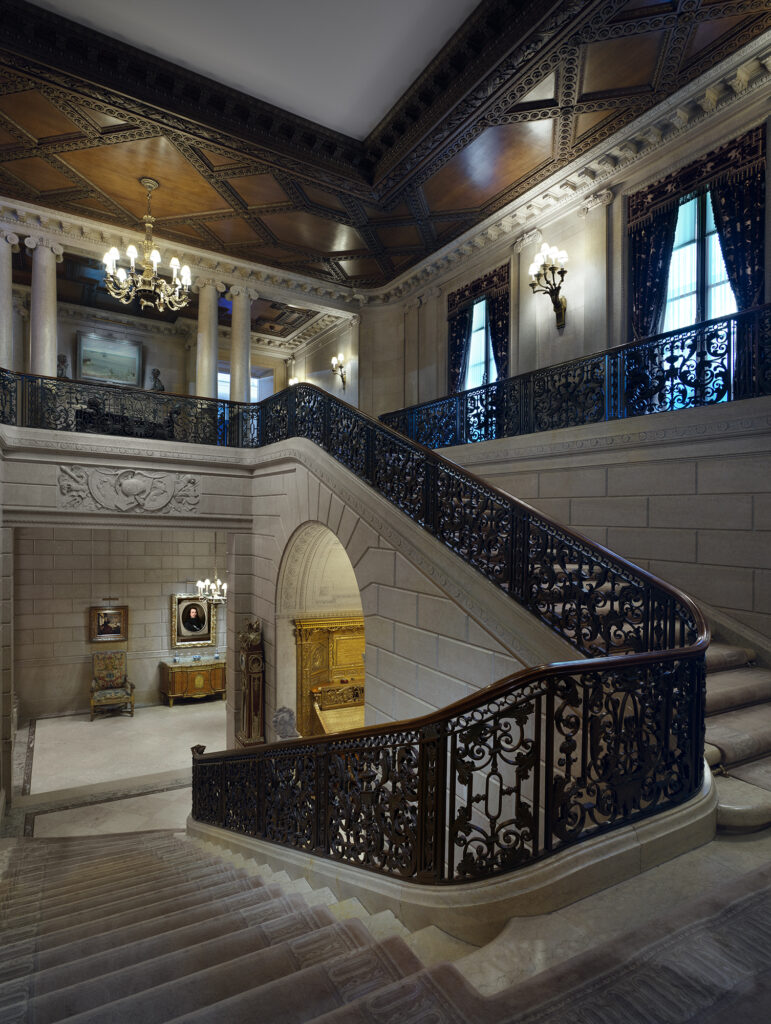
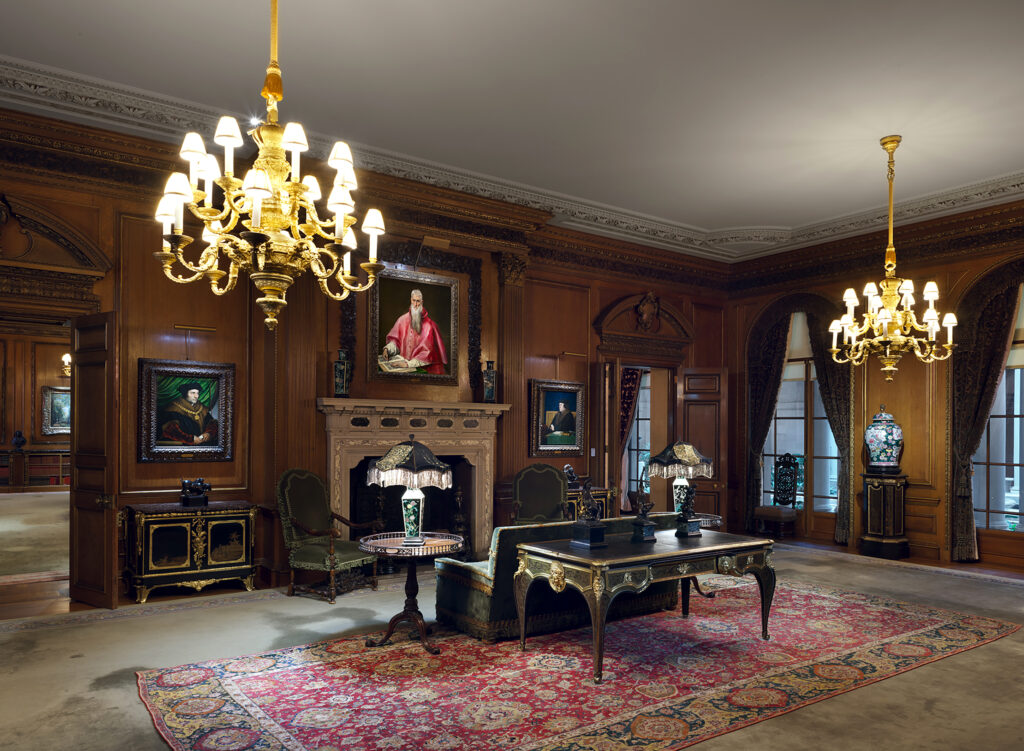
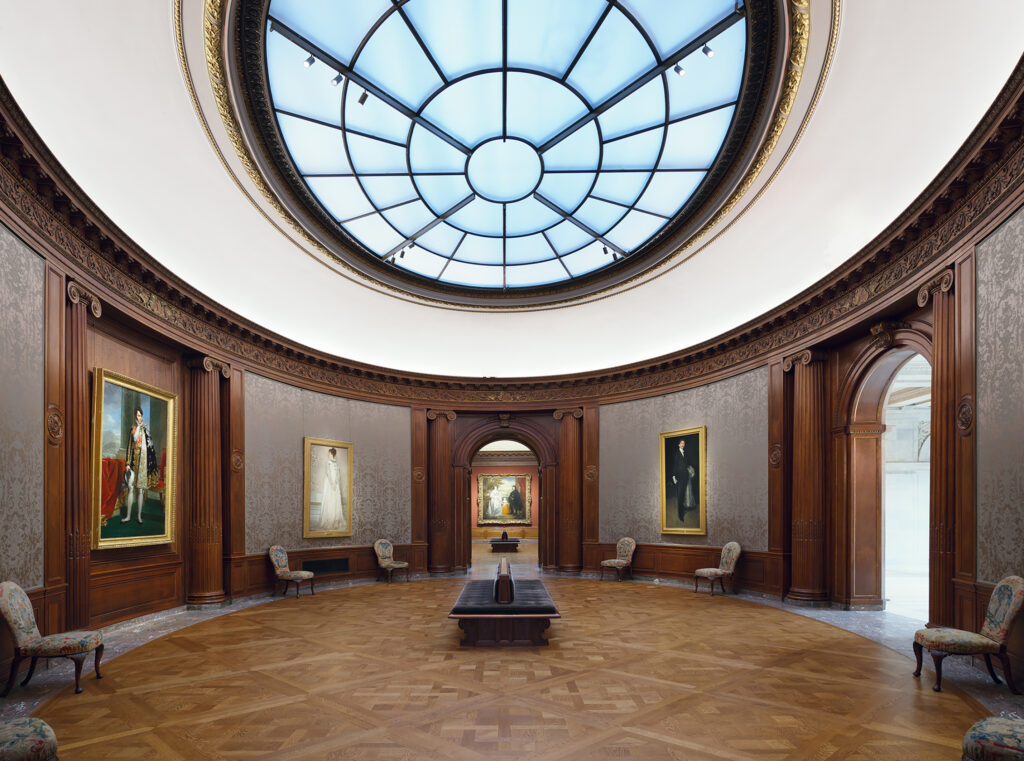
In the Frick’s first comprehensive renovation in nearly a century, Annabelle Selldorf transformed the museum without allowing newness to become the main event.
The most difficult problem in a renovation may be ensuring that nobody thinks first about the renovation. At the Frick Collection, where paintings, furniture, and sculpture remain surrounded by the atmosphere of a residence, any conspicuous gesture risked altering the museum’s rarest quality: intimacy.
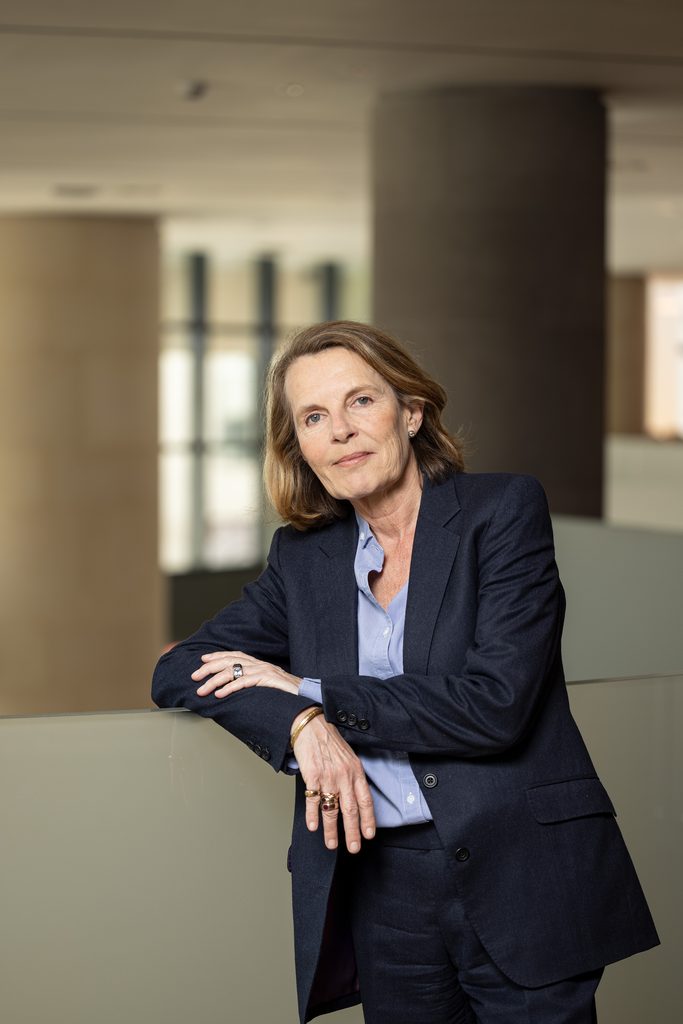
When the institution reopened on Fifth Avenue in April 2025, much had changed. For the first time, the second floor of Henry Clay Frick’s former home was open to the public. A 218-seat underground auditorium and new accessible routes had been added; galleries, research spaces, and technical systems were restored or renewed. Yet the experience was not meant to resemble a visit to a newly opened building.
That was the tension Annabelle Selldorf had to negotiate. Her architecture is frequently described in terms of restraint, a word that can sound passive until one understands how many decisions are required for an intervention not to ask for applause. At the Frick, transforming without erasing meant distinguishing discretion from timidity. The building had to change profoundly while remaining attentive to recognize the scale, cadence, and silences of the house.
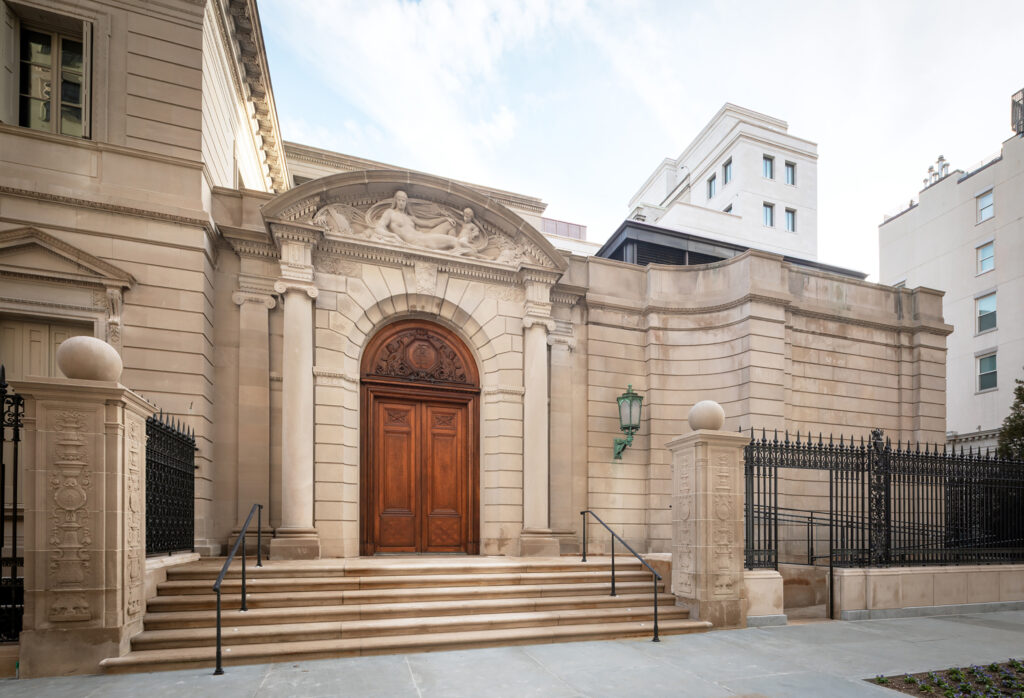
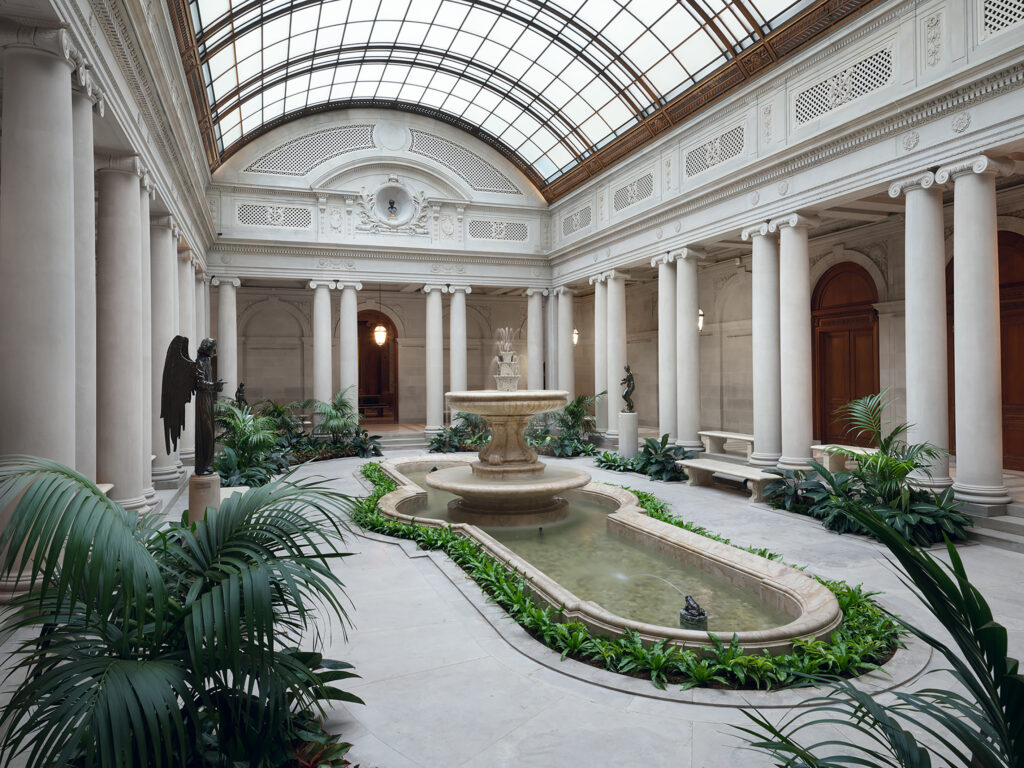
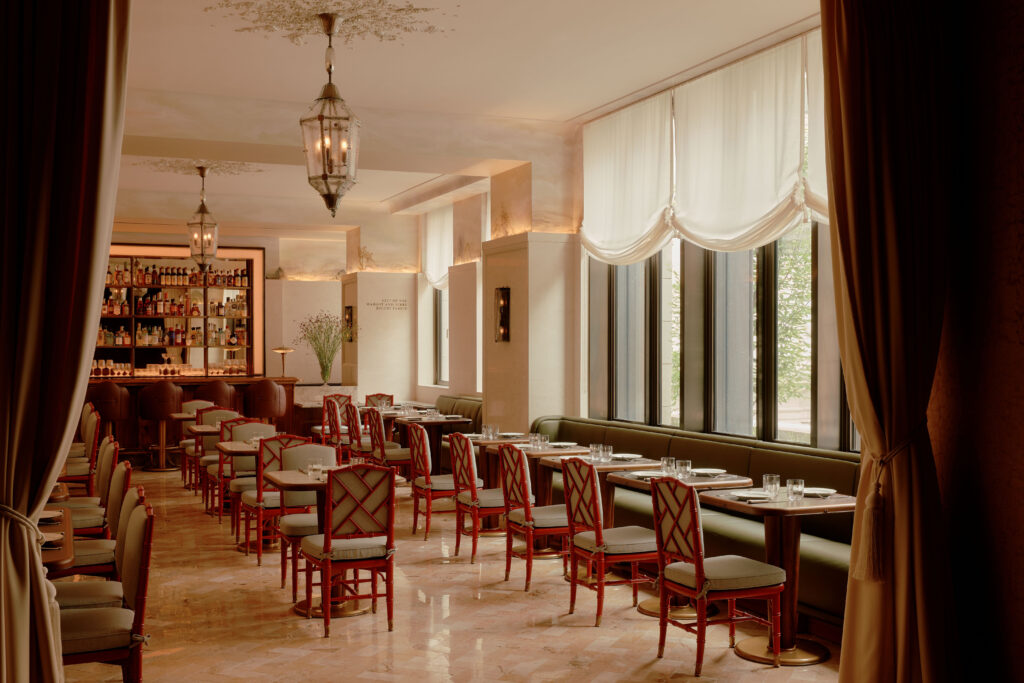
The ensemble was never static. Carrère and Hastings completed the residence for Frick in 1914; it became a museum in 1935, with the Oval Room and East Gallery added by John Russell Pope. Selldorf encountered an architectural ensemble shaped by different authors at different moments. Her additions use proportions, stone, wood, bronze, and light to establish continuity without pretending to belong to the past.
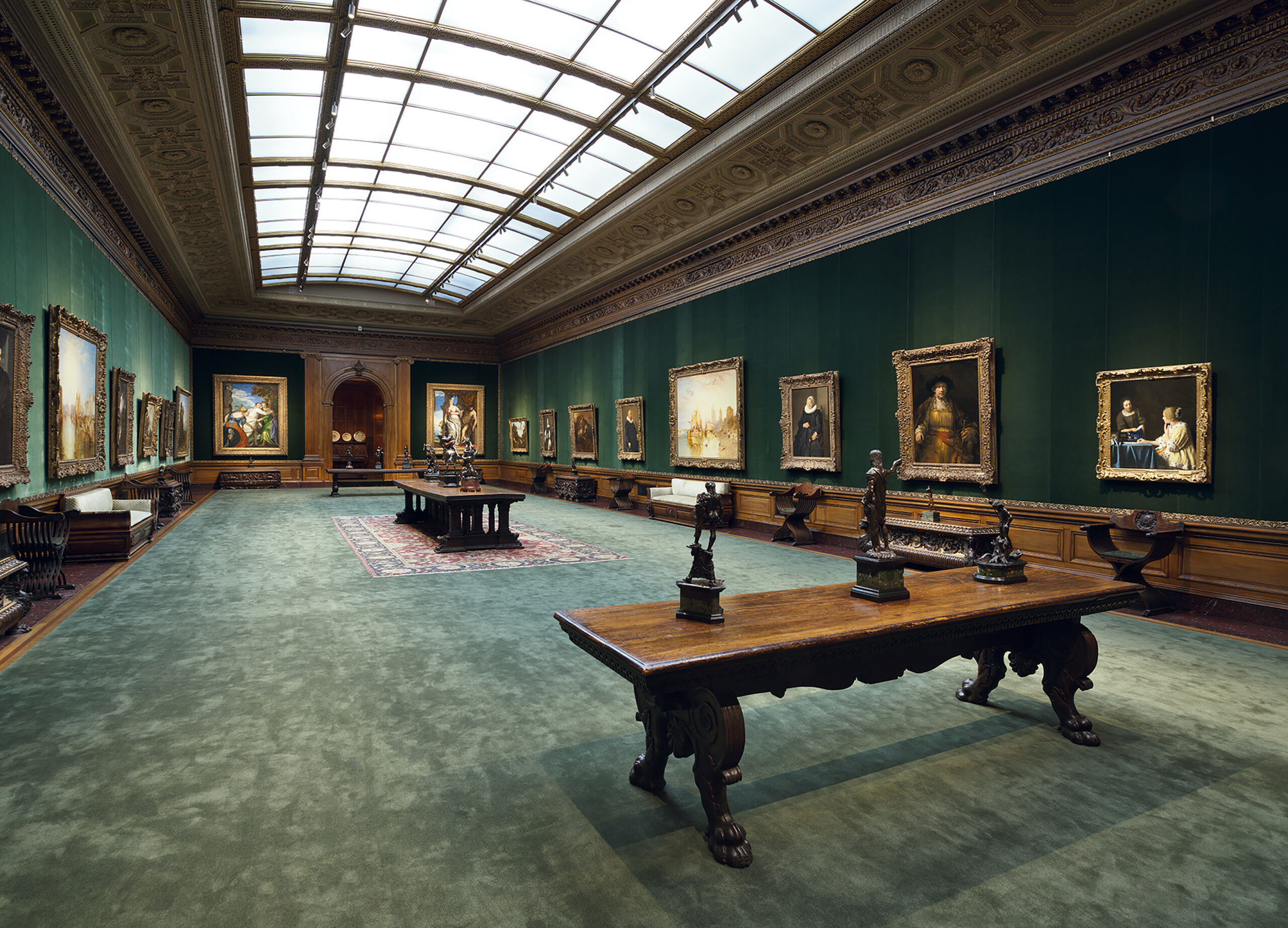
The second floor required the most delicate negotiation. Its former private rooms have lower ceilings, a smaller scale, and an almost domestic relationship with art. Opening them expanded the permanent display without creating another grand gallery and made the house legible vertically. Paintings and objects now appear in rooms closer in scale to those for which many of these works and objects were originally made.
Circulation had to be reconfigured without turning the visit into a diagram. New connections redistribute visitors flow, reduce dead ends, and provide elevator access to previously inaccessible areas. An entrance on East 70th Street reorganizes arrival and provides accessible entry through stonework and proportions sympathetic to the ensemble, but makes no attempt to imitate 1914. The architecture does not announce that it has solved a problem. The visitor simply stops encountering it.
The 218-seat auditorium offers the clearest demonstration of this method. Placed below street level, it expands the museum’s capacity for concerts, lectures, and programs without competing with the historic massing. Above ground, the 70th Street Garden, created by Russell Page in 1977, again acts as a landscape framed by the windows. Its water, planting, and intimate scale preserve a rare interval between house and city.
At the Frick Art Research Library, founded by Helen Clay Frick in 1920, the restored reading room is a reminder that the life of a collection continues beyond the galleries. Its photographic archives and research collections document works, attributions, and provenances, including records of objects that have since been lost or altered.
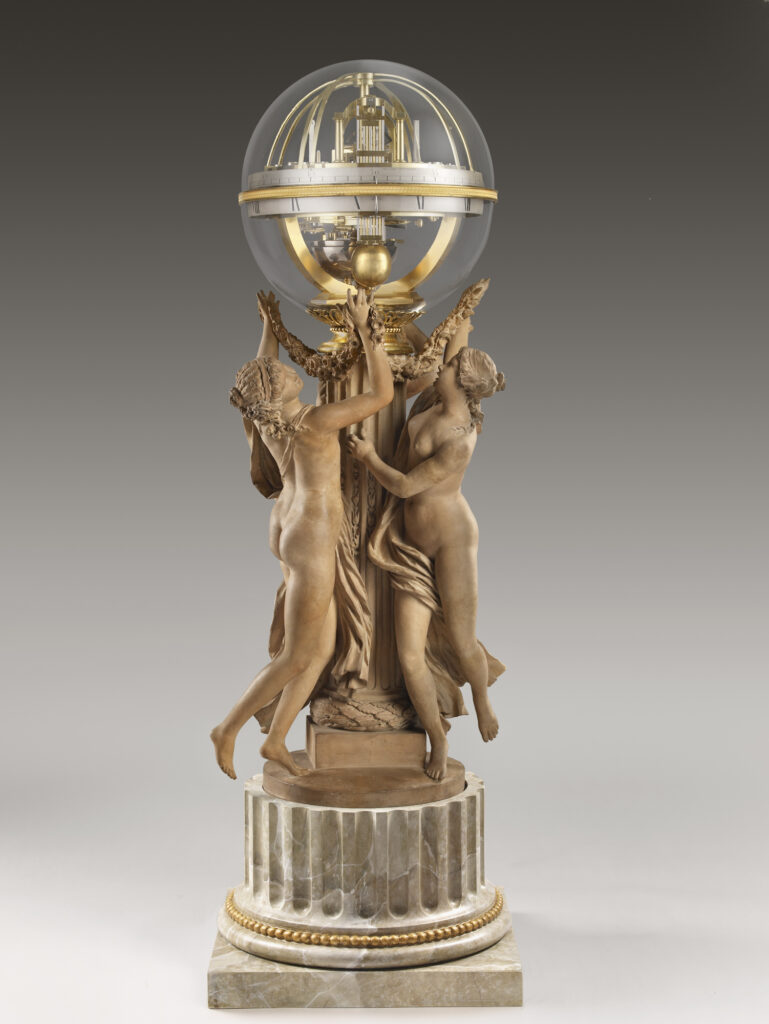
Photo by Michael Bodycomb
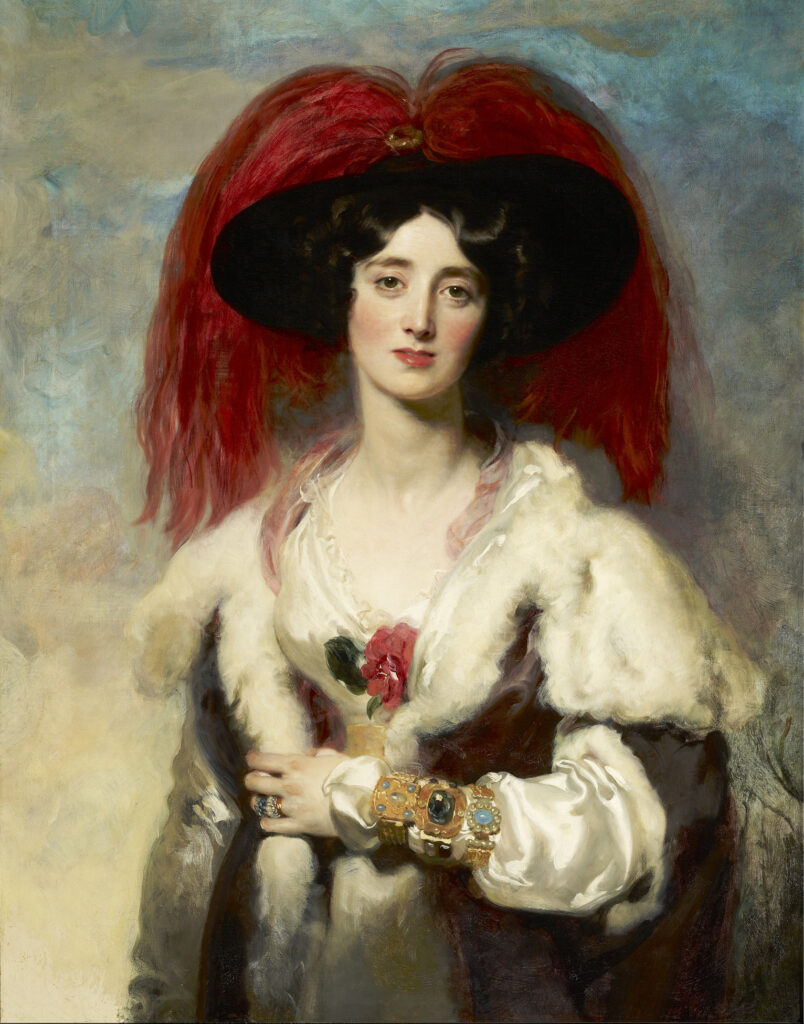
Photo by: Michael Bodycomb
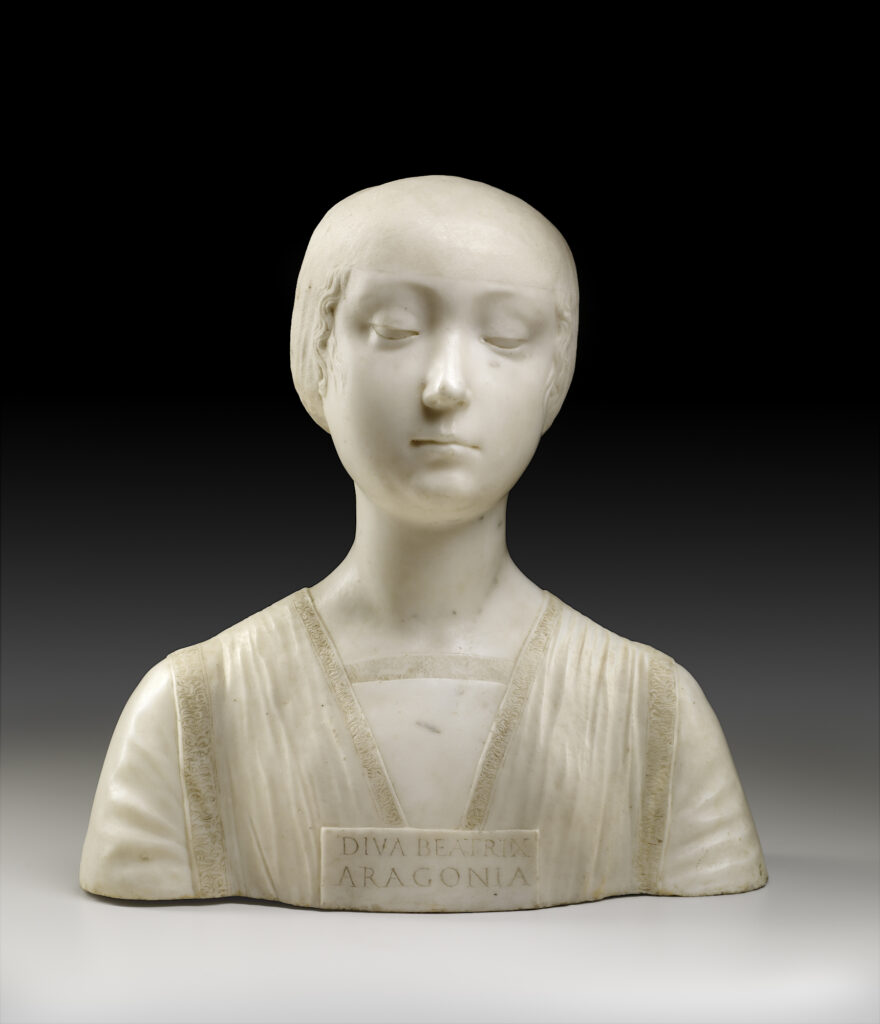
Photo by: Michael Bodycomb
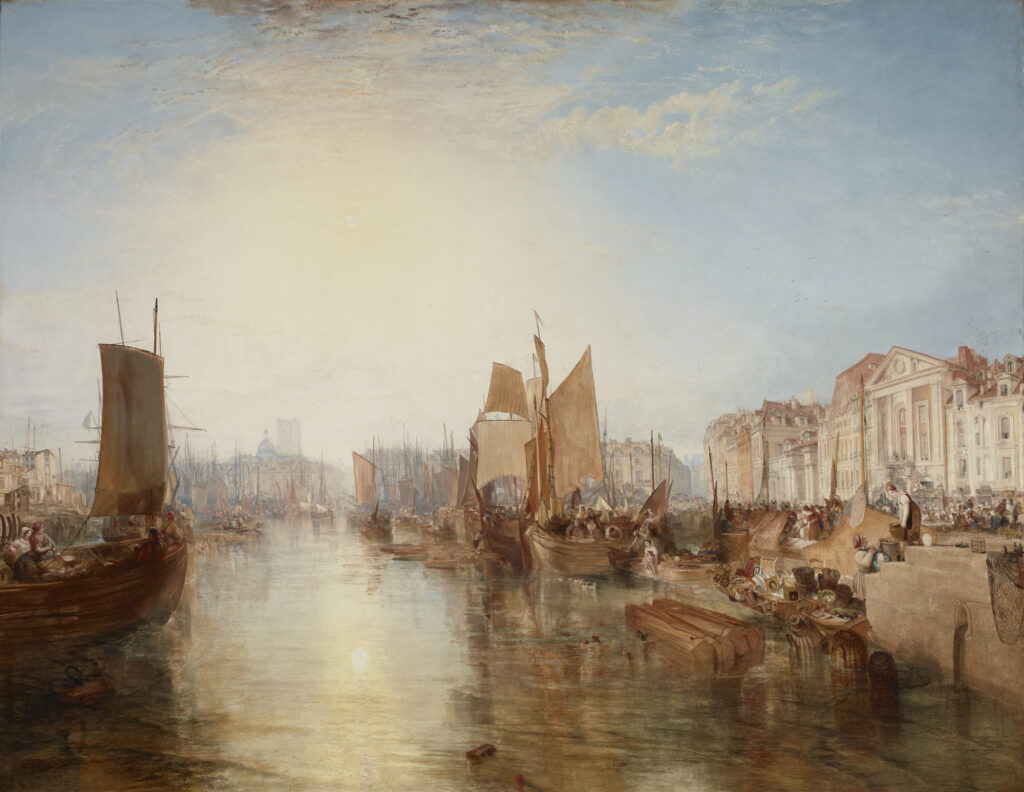
Photo by: Michael Bodycomb
The Frick Madison period made the bond between house and collection still more visible. During the closure, the collection occupied Marcel Breuer’s former Whitney Museum on Madison Avenue. In those modernist galleries, they appeared different. Their return confirmed that the mansion is not a neutral frame. Its architecture shapes the way the collection is perceived.
It is possible to leave the new Frick talking about Vermeer, Bellini, Fragonard, or Goya without mentioning elevators, climate-control systems, or service routes. That does not diminish the architecture. It is the architecture’s victory. Selldorf pursues an ambition that is difficult to photograph and harder to achieve: a transformation so attentive that the building seems to have found a clearer version of itself.