
Across archives, specialists, and nearly three centuries of collecting, Christie’s reveals the knowledge that travels with a work of art.
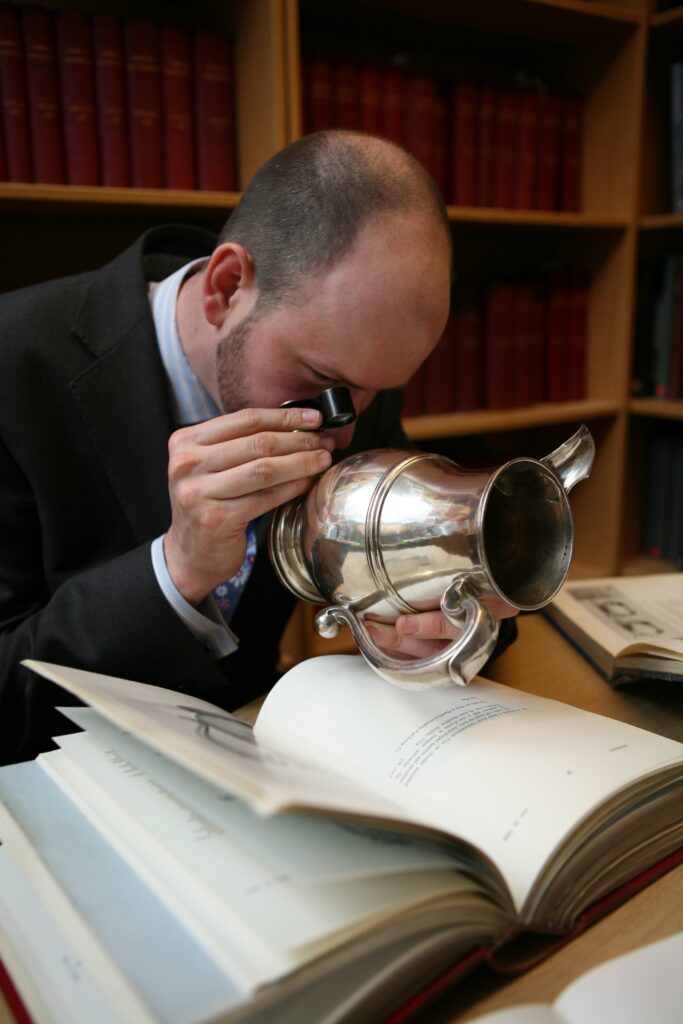
Will Strafford, Deputy Chairman and Senior International Specialist in Christie’s European Furniture and Decorative Arts department, spends part of his working life lying on warehouse floors, looking beneath furniture, pulling out drawers, and taking apart ornaments to understand how a piece was made. Far from the auctioneer’s rostrum and the crowded saleroom, this is where much of what the public recognizes as expertise begins.
“Our expertise is our strongest asset”, he says, a remark that goes to the heart of an institution whose history spans nearly 260 years of changing ideas about how objects are viewed, classified, and collected.
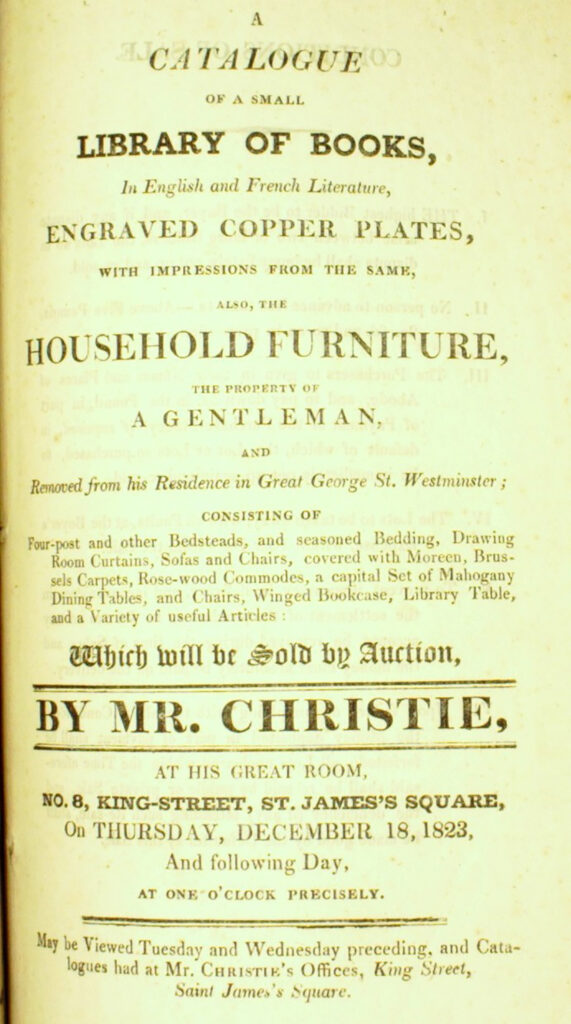
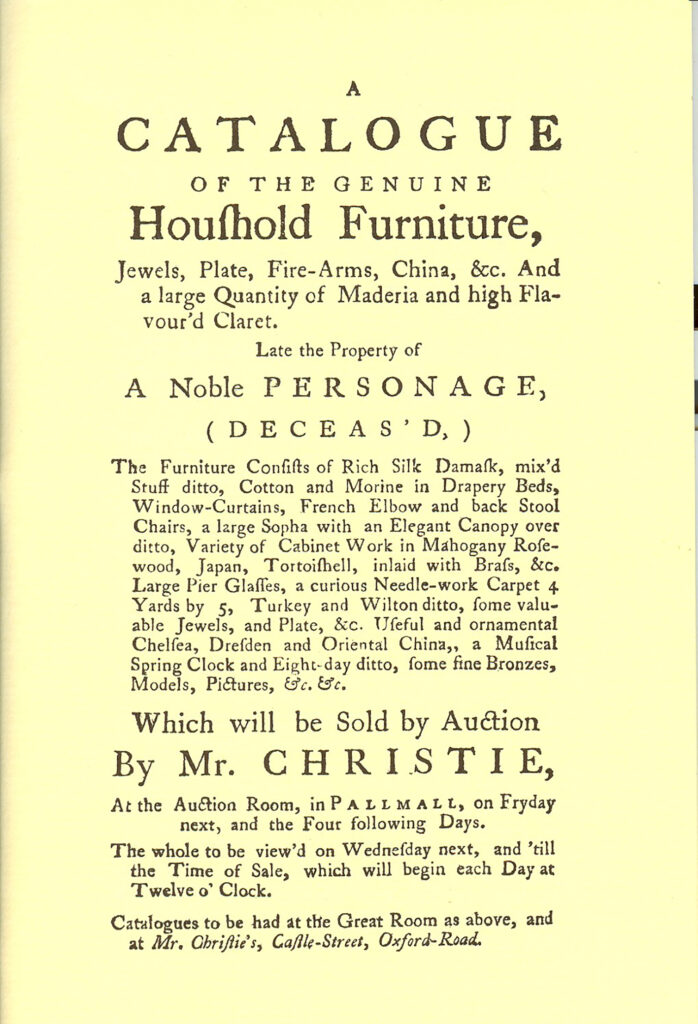
When James Christie held his first sale in Pall Mall in December 1766, the catalog included bedsheets, pillowcases, and other household goods. Only a few months later, in March 1767, he conducted a sale devoted entirely to paintings, including works attributed to Titian, Rembrandt, and Poussin.
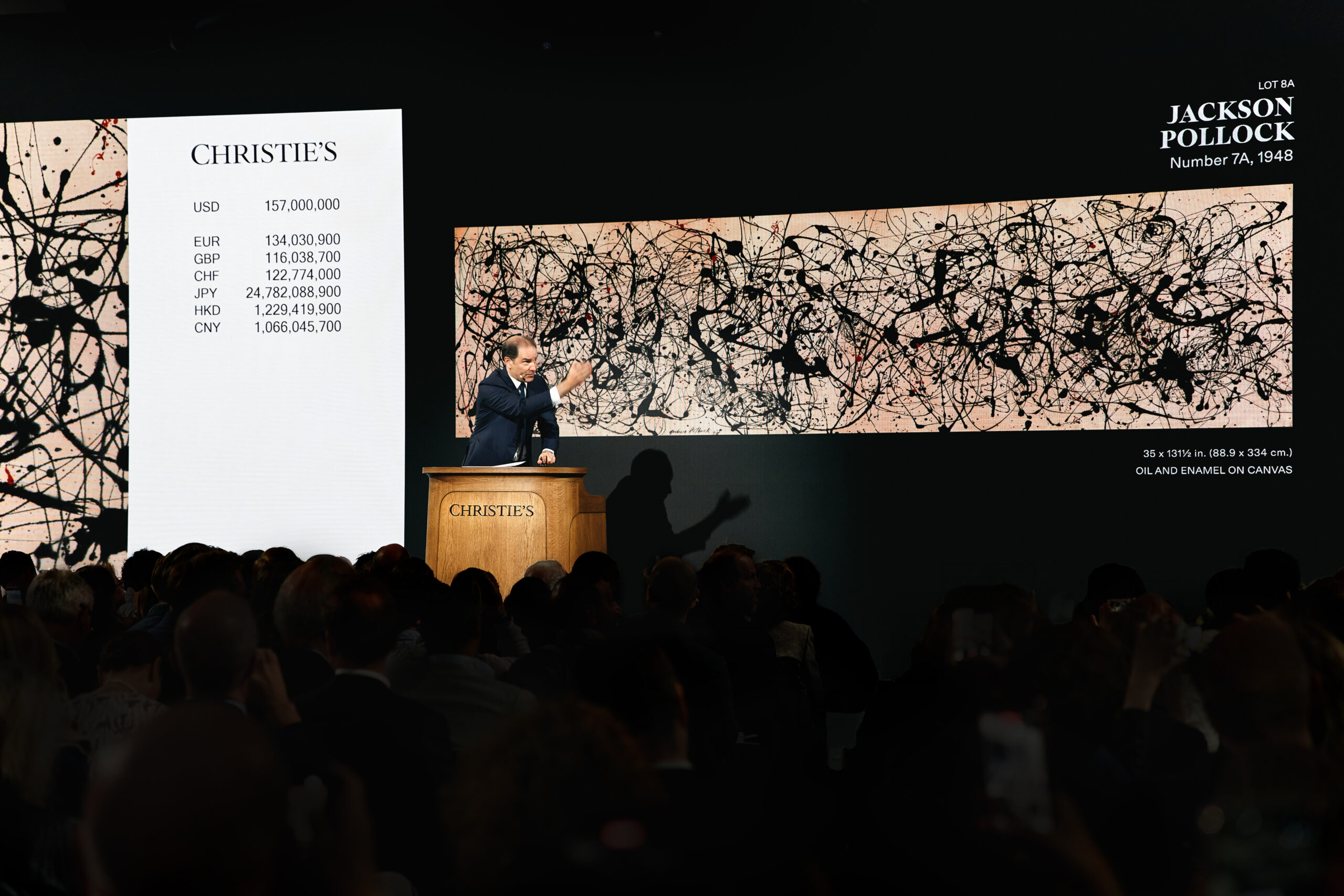
Christie brought the art trade into the social life of St. James’s, turning his salerooms into gathering places for artists and collectors. What had once been concentrated among aristocratic circles eventually developed into an international market. Today, Christie’s has a physical presence in 46 countries and operates across more than 80 categories.
Christie’s has preserved sales records dating back to 1766, and those archives trace shifts not only in taste, but also in attribution. In 1892, for example, the house sold Degas’s L’Absinthe for £189. According to Strafford, Christie’s also helped systematize, during the 1970s, a cataloging vocabulary that would become familiar across the art world, including terms such as “circle of” and “school of,” which signal different degrees of proximity between a work and a particular artist.
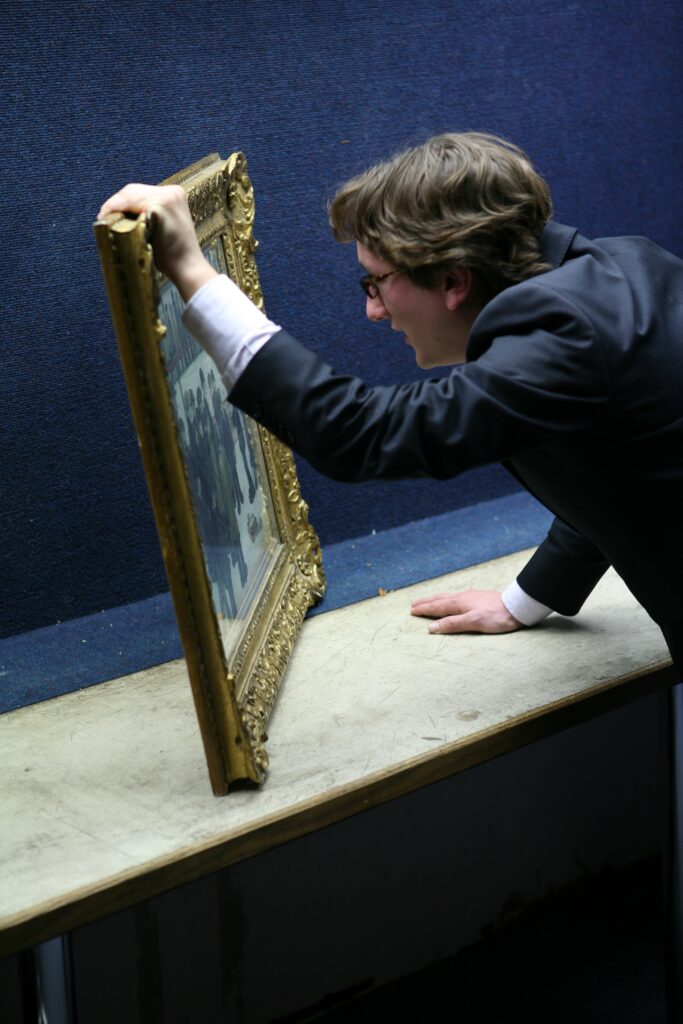
Long before a conclusion appears in a catalog, a work passes through a sequence of checks. Once an object reaches a specialist, it is examined, described, and discussed collectively in a process known as “hilling,” a term inherited from Christie’s King Street premises, where works were once brought up a ramp in the warehouse to be assessed. Photographs and documentation may be sent to outside scholars, paintings can be examined under ultraviolet light, and metal alloys may undergo XRF analysis to determine their composition.
Strafford does not see science and sensitivity as opposing forces. For him, expertise is built from research and technology, but also from the personal response developed through years of close looking. “Technology cannot replace the human experience of looking at works of art time and time again, filtered through the human brain and human emotion. There is no replacement for that instinctive connoisseur’s eye,” he says. That accumulated visual memory is what allows a specialist to recognize materials, techniques, and subtle deviations that a casual observer might never notice.
Technology can extend the investigation, but it cannot settle every question of authenticity, provenance, or authorship. “At the end of the day, works of art are in themselves mysterious and miraculous and it’s that mystery that only humans can understand and technology will never appreciate”, Strafford says.
That knowledge extends well beyond the saleroom. Christie’s Education was established in 1978 to teach art history, connoisseurship, and the art market, while catalogs, libraries, and archives continue to provide a body of reference material for specialists and researchers. Strafford compares the house to a theatrical production: the audience sees the final performance, but not the hours of examination, research, and debate that made it possible.
“We deal in a mixture of science, scholarship, and personal reaction to works of art. Nothing can take the place of that emotional, subjective reaction. Sometimes that is enough to tell us if something is genuine. But it is a lot of hard work.”


To preserve objects across centuries is also to preserve a connection to a shared history. This largely invisible work helps explain Christie’s longevity: its archives record more than what each generation chose to buy; they reveal how ideas of importance, beauty, attribution, and authenticity have shifted over time. The auction is only one moment in that continuum. Before and after the sale come the research, documentation, and accumulated human judgment that allow an object to be understood in the first place.