The Edit

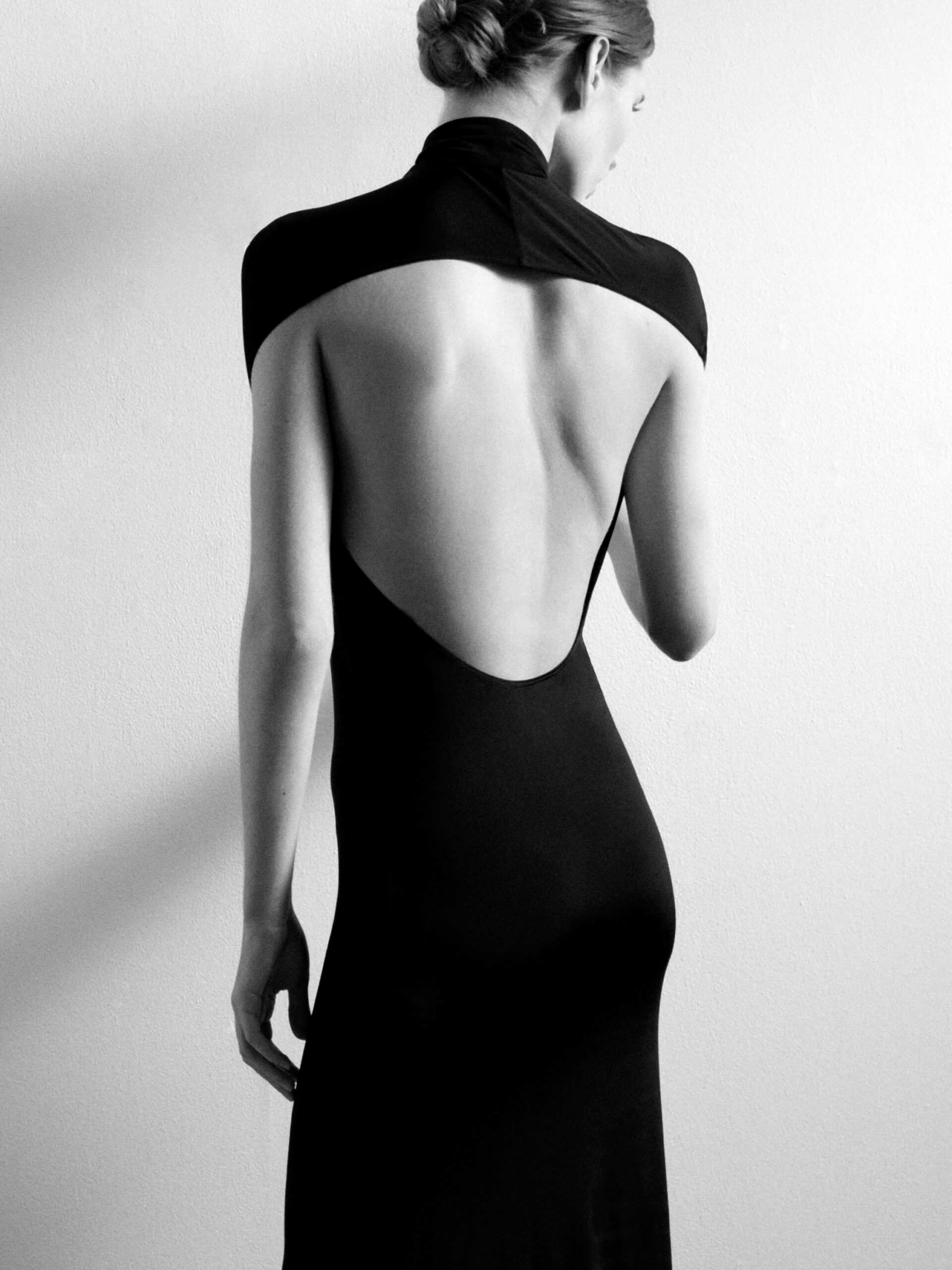
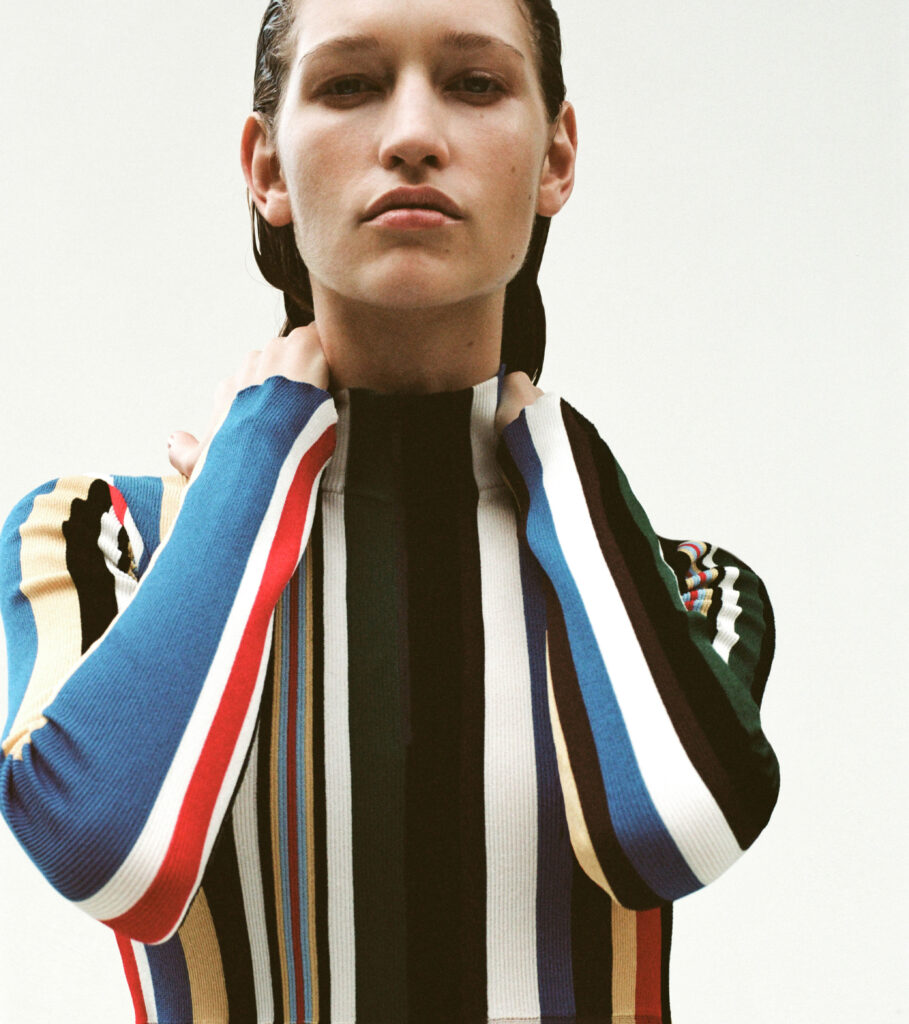
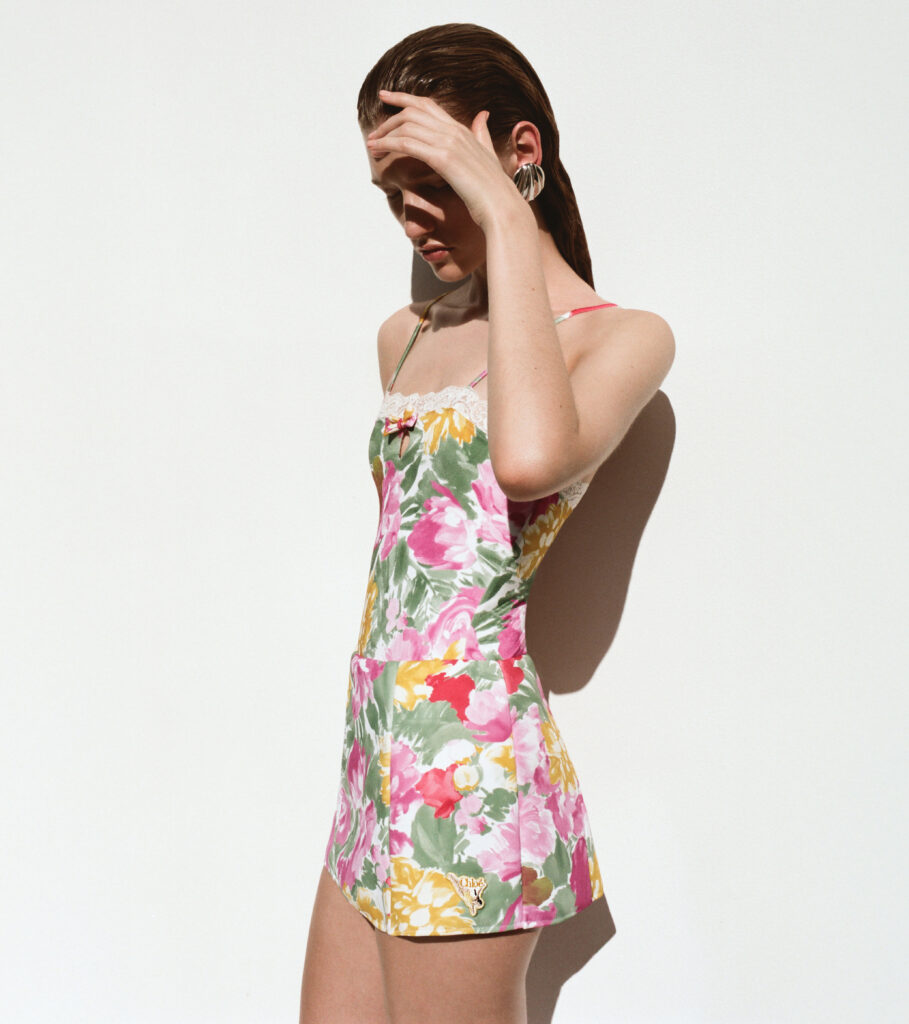
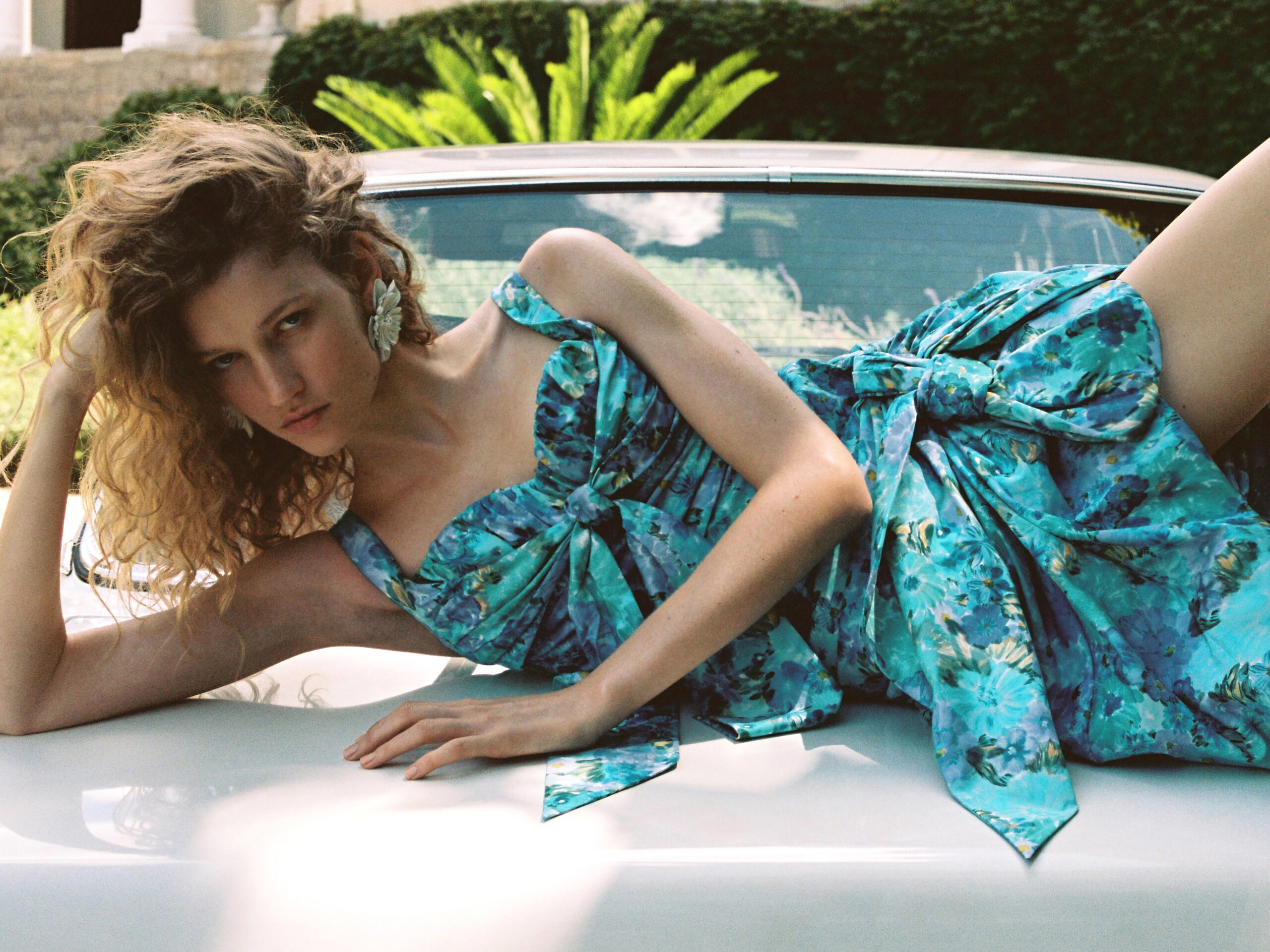
Net-a-Porter’s spring/summer edit favors shifted proportions, thoughtful color, and clothes that frame the woman instead of competing with her.
Net-a-Porter Heirlome, Vanguard 2026.
The hemline is lower. The shoulder is softer. The waistline, after several seasons of being either cinched or ignored, has returned to its natural position with a confidence that feels less like a trend and more like a correction. Net-a-Porter‘s spring/summer edit arrives at a moment when the fashion calendar itself is recalibrating: the boundaries between resort, pre-fall, and mainline collections have blurred to the point of irrelevance, and what matters now is not when a piece was shown but whether it works in the life the wearer actually leads.
The strongest looks are garments that disappear into the wearer rather than competing with her.
This is not a comprehensive fashion editorial. It is a curated selection, a handful of pieces drawn from the season’s strongest propositions and assembled into something resembling a point of view. The common thread is restraint: clothes that prioritize fabric, proportion, and construction over novelty, logo, or spectacle.
This season’s selection centers on fabrication. Fluid crepes in sand and ivory. Washed linens that carry the texture of a cloth that has already been lived in. Tailored cotton poplin, cut with the kind of ease that requires precise engineering to achieve. Silk twill scarves knotted at the neck or tied to the handle of a bag, functioning as both accessory and punctuation. The palette moves between neutrals — stone, ecru, slate, warm white — and targeted moments of saturation: a deep cobalt blazer, a saffron midi skirt, a burgundy leather sandal that grounds an otherwise pale look.
What distinguishes the edit is its discipline. There are no novelty prints, no logo-driven pieces, no garments that require explanation. The accessories follow the same logic: structured bags in muted leather, flat sandals with squared-off toes and minimal hardware, and Cartier’s Tank Française on a steel bracelet, a 1996 variation descended from the Tank’s original 1917 geometry, a watch that has maintained its proportions across decades and has never once looked like it was trying. The jewelry runs to fine chains and single-stone pendants, gold that sits close to the skin rather than announcing itself across a room.

Dressing well in 2026 means knowing what to leave out.
The underlying argument is one of editing as authorship. Net-a-Porter does not design clothes. It selects them, and in the act of selection, it constructs a point of view: that dressing well in 2026 means knowing what to leave out. The strongest looks in this editorial share a common quality. They are garments that disappear into the wearer rather than competing with her, clothes that function as a frame for the person inside them rather than a costume placed over her.
Resort codes are present but restrained. A linen suit that works equally on a terrace in Comporta and in a conference room in Milan. A cashmere wrap light enough to carry on a plane and substantial enough to wear to dinner. A cotton voile dress whose embroidery references the whitework traditions of Broderie Anglaise, a needlework tradition with European roots that later became closely associated with English summer dressing. Every piece earns its place not by being new but by being right.
Net-a-Porter Heirlome Shot, Vanguard 2026.