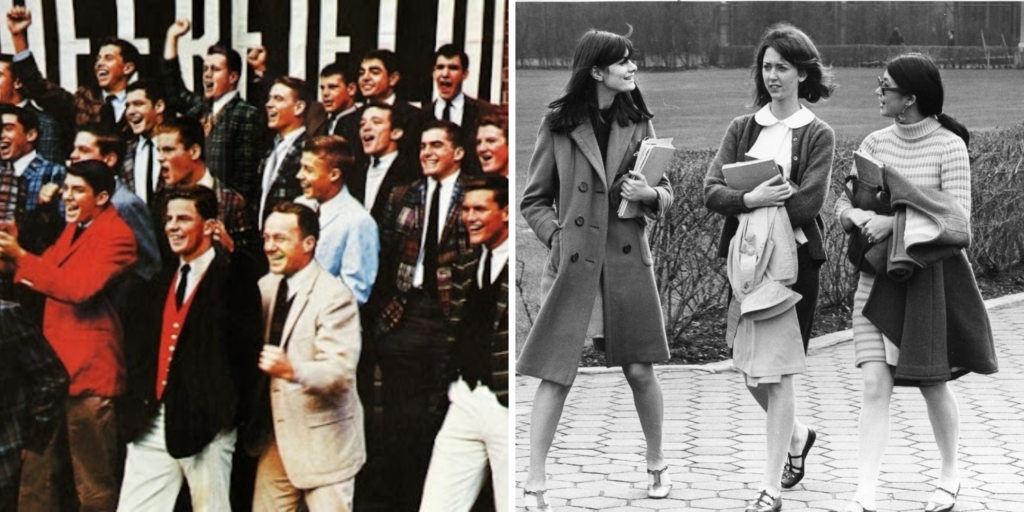
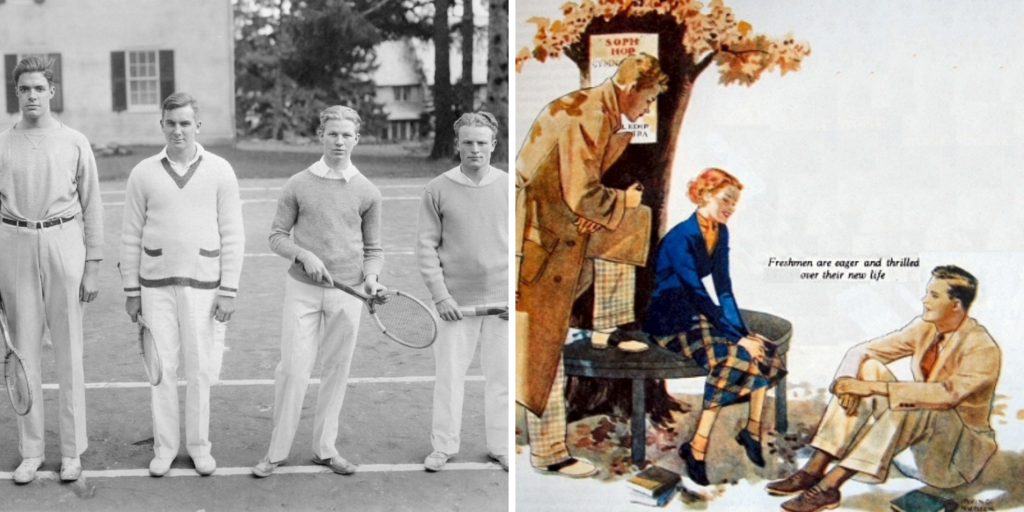
1920s: Preppy style begins to take shape at Ivy League universities in the United States. The look draws inspiration from the clothing worn by wealthy students from privileged backgrounds.
1930s: Brands such as Brooks Brothers and J. Press become popular among Ivy League students, helping define the preppy aesthetic through blazers, loafers and argyle sweaters.
1940s: World War II shifts fashion toward more practical, utilitarian styles. However, the Ivy League look remains a symbol of wealth and social status.
1950s: The term “Ivy League” becomes widely recognized in fashion. The look is characterized by khaki pants, button-down shirts, polo shirts and loafers.
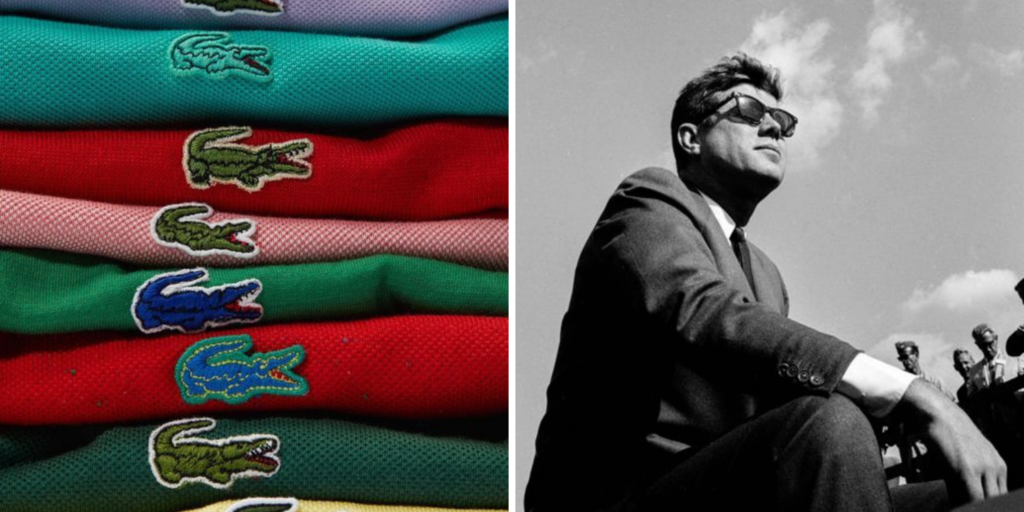
1960s: Preppy style gains national attention with the publication of Take Ivy, a Japanese photography book documenting Ivy League fashion. Brands such as Lacoste and Gant grow in popularity.
Mid-1960s: The style expands beyond Ivy League campuses and enters mainstream fashion, influenced in part by John F. Kennedy’s clean, classic sense of style.
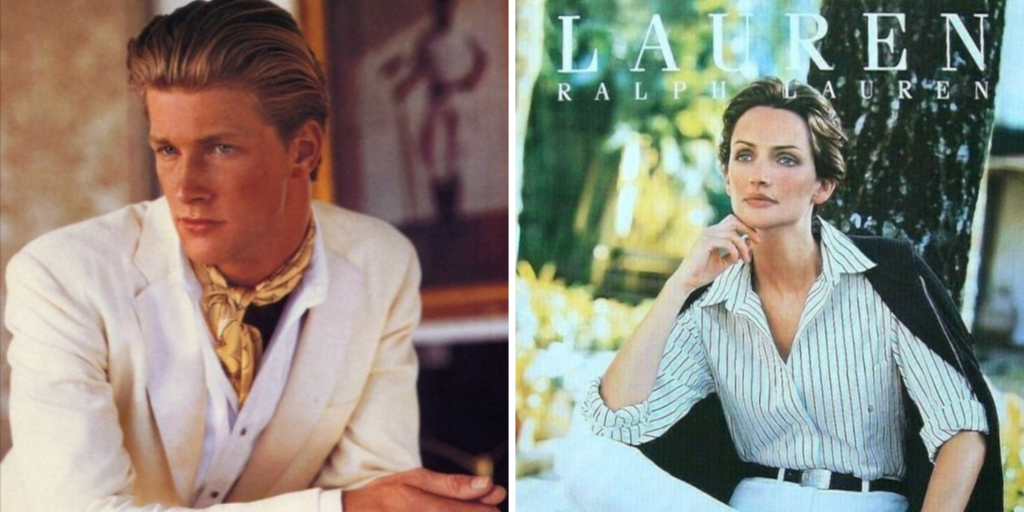
1970s: Preppy fashion continues to grow, with brands such as Ralph Lauren, Lilly Pulitzer and Lacoste becoming household names.
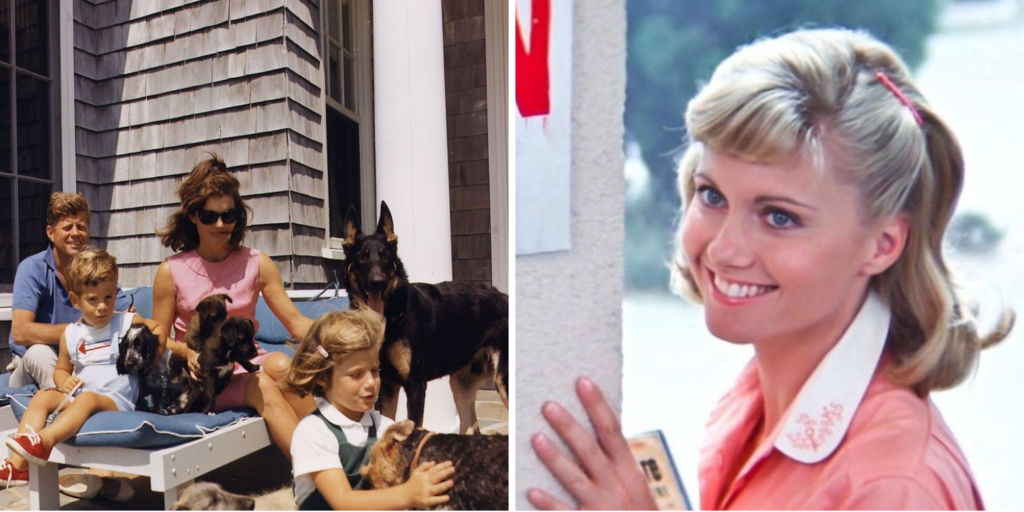
Late 1970s: The preppy aesthetic becomes synonymous with the American upper class, defined by pastel colors, polo shirts and nautical influences.
1980s: Lisa Birnbach’s The Official Preppy Handbook is published, offering a humorous look at preppy fashion and lifestyle. The book becomes a cultural phenomenon.
1980s: Preppy style dominates fashion, with an emphasis on brands such as Ralph Lauren, L.L.Bean and Sperry Top-Sider. Key pieces include cable-knit sweaters, plaid skirts and boat shoes.
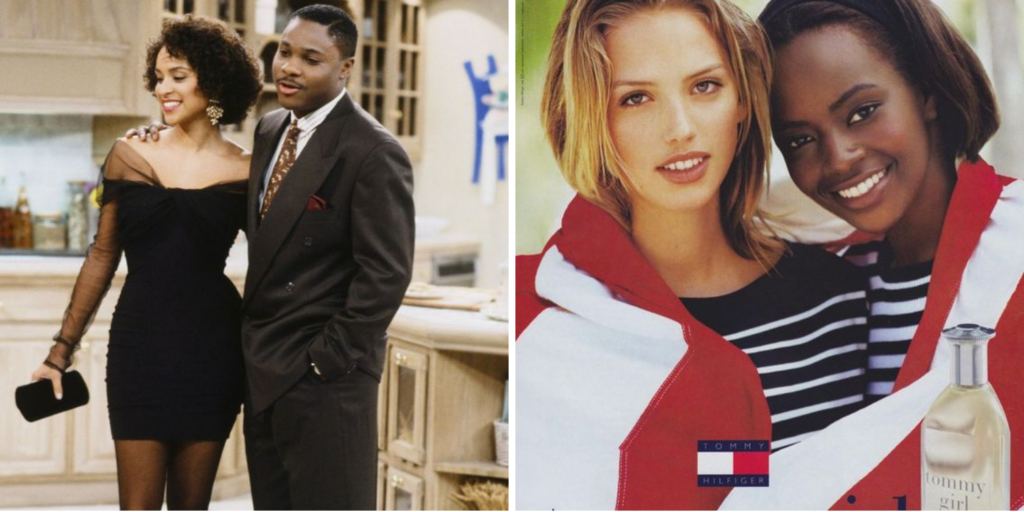
1990s: Preppy fashion appears throughout popular culture, including television shows such as Saved by the Bell and The Fresh Prince of Bel-Air. The aesthetic evolves to incorporate more casual elements.
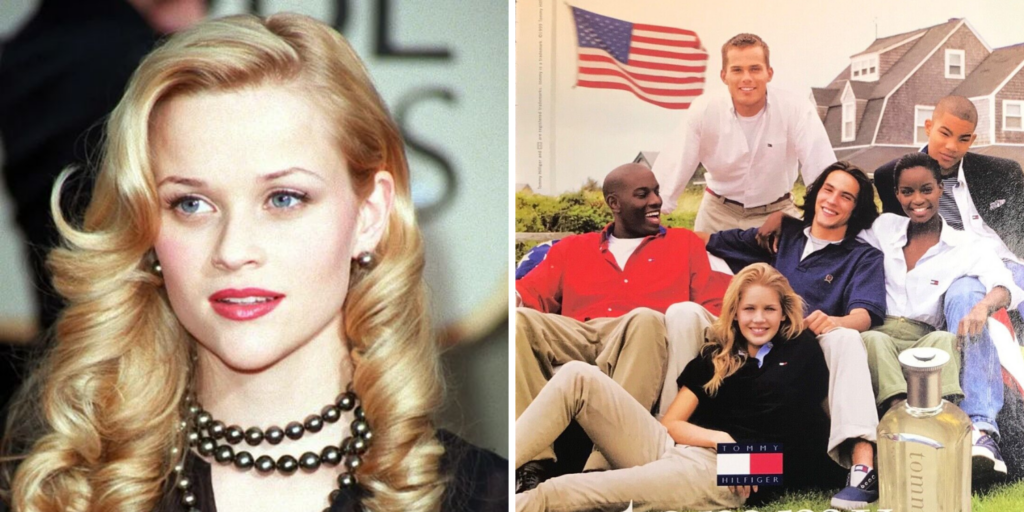
Mid-1990s: Brands such as Tommy Hilfiger and Abercrombie & Fitch embrace preppy influences, making the look increasingly trendy among younger generations.
2000s: Preppy style experiences a revival with a modern twist. Brands such as J.Crew and Vineyard Vines gain popularity by combining traditional preppy elements with contemporary fashion.
Mid-2000s: Celebrities such as Gwyneth Paltrow and Reese Witherspoon help popularize preppy fashion and its associated lifestyle.
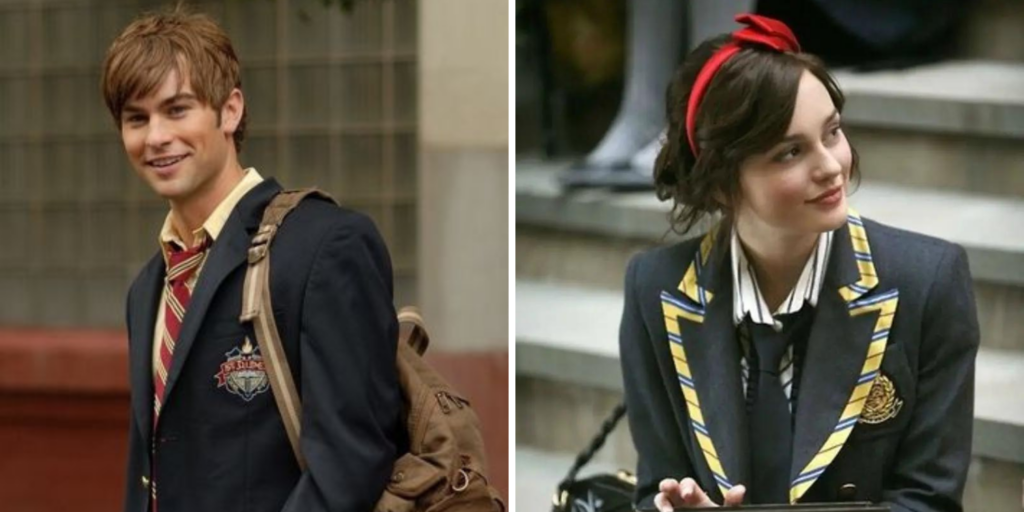
2010s: Preppy style remains popular around the world, influenced by fashion bloggers and social media. The aesthetic gains renewed visibility through the global success of television series such as Gossip Girl.
Late 2010s: Sustainable and ethically focused fashion brands begin to emerge within the preppy space, reflecting growing awareness of environmental issues.
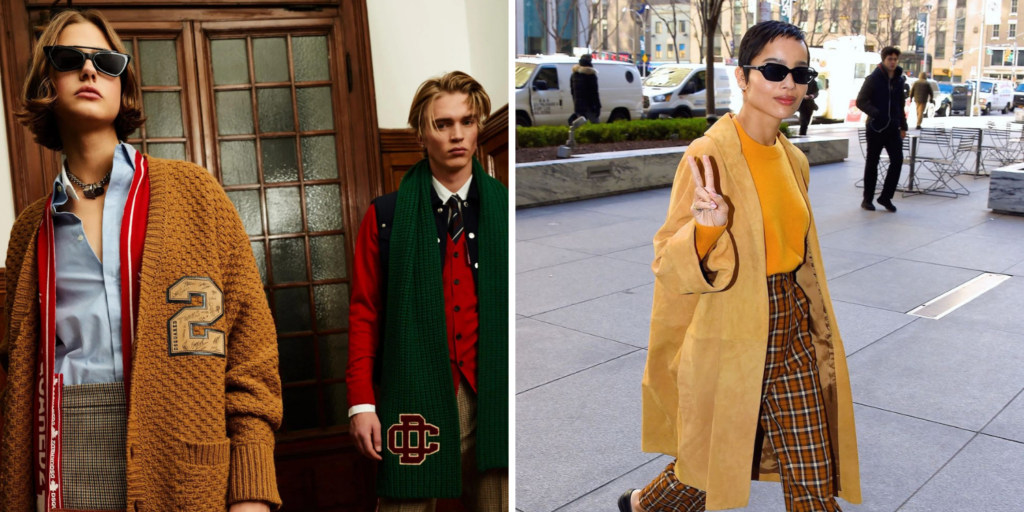
2020s: Preppy style remains relevant, with a renewed emphasis on quality and timeless wardrobe staples. Vintage and secondhand preppy clothing gain popularity as part of the sustainable fashion movement. The aesthetic continues to evolve, blending classic elements with contemporary trends while maintaining its association with sophistication and affluence.