In Venice, Peggy Guggenheim made her home a place where art and everyday life met.
In 1958, Nino Migliori photographd Peggy Guggenheim at her Venetian home, Palazzo Venier dei Leoni. The silver headboard created by Alexander Calder was part of her bed, alongside the sheets and the collector’s belongings. Recalling the visit, Migliori would describe how the works belonged to the atmosphere of the house, serving no decorative purpose. His portraits preserve this intimacy: Peggy’s possessions appear in the background, with art among the objects of daily life.
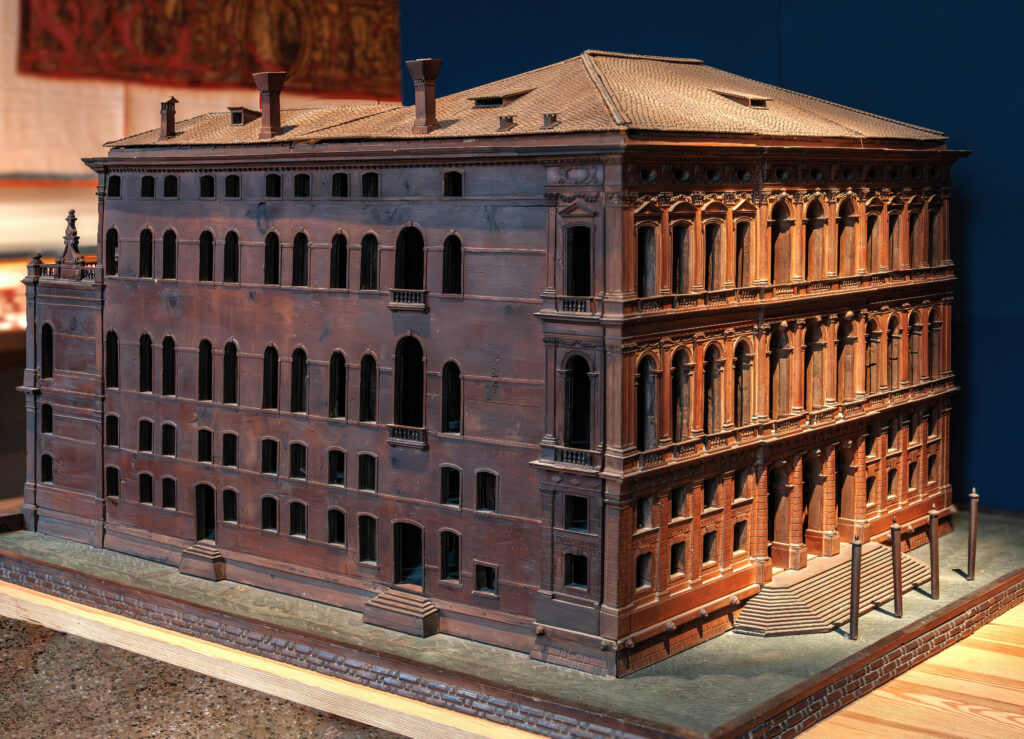
She had purchased the palazzo in 1949, a year after presenting her collection at the Venice Biennale. Unfinished since the eighteenth century, the building had only one of the five storeys envisioned in its original design. Its low façade broke the succession of grand palaces along the Grand Canal. Behind it, the garden brought the collection outdoors: the same year she bought the house, Peggy held an exhibition of contemporary sculpture there.
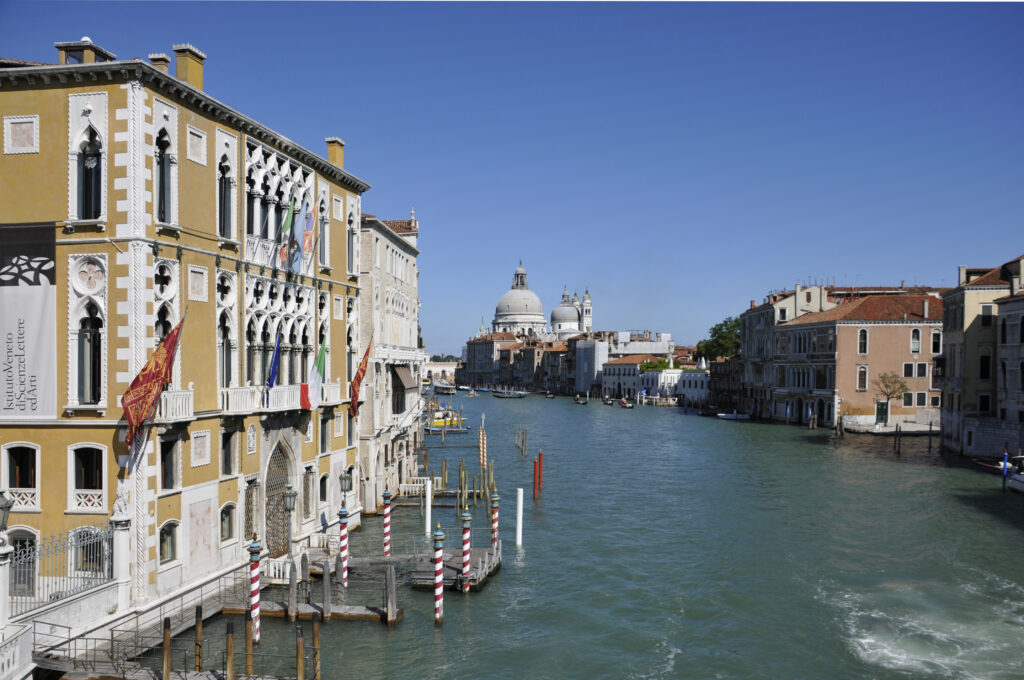
With the interiors adapted and the collection installed, the house began welcoming the public in 1951. Admission was free, three afternoons a week, from Easter through November. Those who came to see the works entered the home of a collector who still lived there. Peggy chose the visiting days and months, fitting them into the rhythms of a household that also welcomed friends and family.
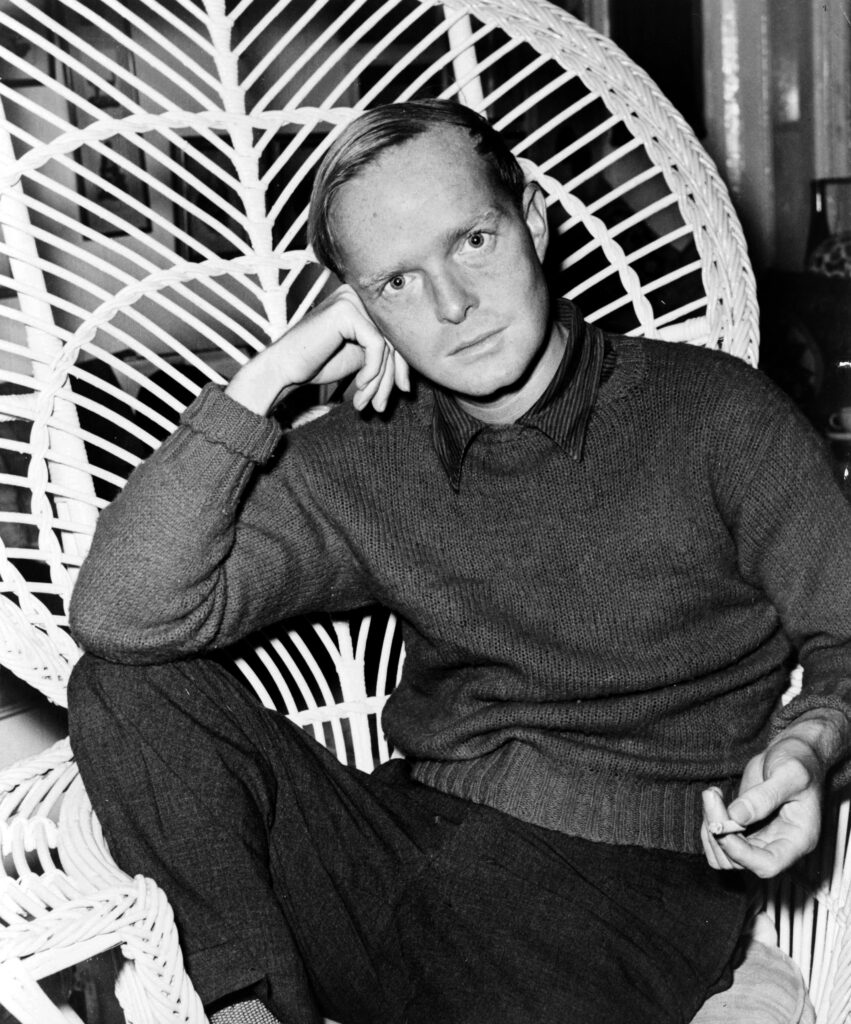
Among those who frequented the palazzo, some found a place to work. Peggy gave Tancredi Parmeggiani a studio in the basement and, in 1954, held an exhibition of his paintings in the house. Truman Capote, who had been visiting her since 1950, returned on several occasions and stayed there in 1956 while writing The Muses Are Heard. In Peggy’s memoirs, the writer appears in slippers in the entrance hall, with the ease of a friend who could settle in for an extended stay.
Read more: Painting the World Before It Changed
In 1957, when Lucio Berzioli arrived at the palazzo to photograph Peggy, her daughter Pegeen was visiting with her three children and Peggy’s two nephews. During this family stay, Berzioli selected paintings from the collection to compose his portraits of the collector.
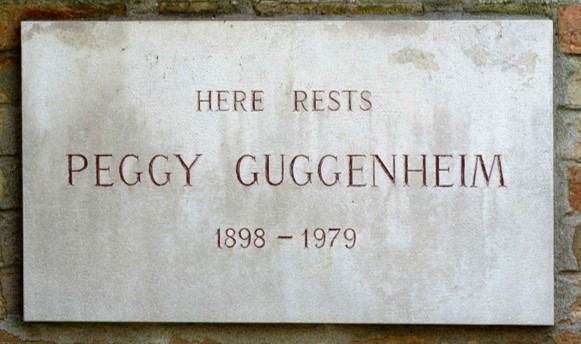
Peggy planned the future of the house and its collection while she was still living there. She donated the palazzo to the Solomon R. Guggenheim Foundation in 1970, followed by the collection in 1976. Peggy died in 1979; the following year, the Peggy Guggenheim Collection reopened under the foundation’s stewardship. After almost three decades shaped by the calendar of a private home, access to the works now had the continuity of an institution. The museum retained Peggy’s address and collection, along with a relationship with the public that was already part of the house’s history.