
The initiatory journey that transformed youth into heritage and turned Europe into an open-air classroom
There was a time when the youth of Europe’s nobility left their homes not merely to travel, but to traverse life as one might walk through an illuminated manuscript. Between the 17th and 19th centuries, the Grand Tour was born — a pilgrimage across Europe that was less about leisure and more about initiation, capable of turning heirs into men of the world, refining sensibilities and cultivating an eye for beauty.
The journey often began in London or Paris, continued through the landscapes of France, crossed the Swiss Alps, and descended into the Italian peninsula, where Rome, Florence, Naples, and Venice were inevitable destinations. Some extended their path as far as Athens or Constantinople, seeking direct contact with the origins of civilization.
It was the British writer Richard Lassels who, in 1670, first coined the term Grand Tour, insisting that Italy was the true finishing school for Europe’s elite. These journeys could last years — two, three, sometimes four — always accompanied by erudite tutors who could turn a ruin into a lesson in philosophy, a fresco into a treatise on history, and a concert into an exercise in sensibility.
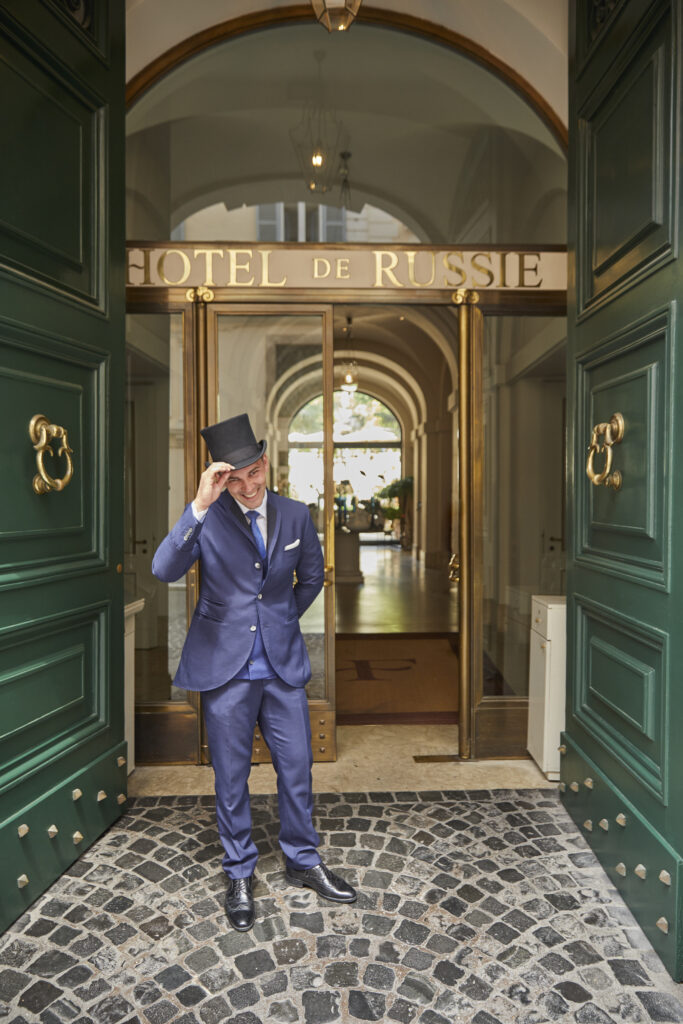
In Florence, young aristocrats learned to sketch classical statues in leather-bound notebooks; in Rome, they observed archaeological excavations of newly uncovered mosaics and studied Latin among the columns of the Forum; in Naples, they climbed Mount Vesuvius and explored the ruins of Pompeii, opened to the public in the mid-18th century; in Venice, they immersed themselves in music, painting, and even the anonymity of carnival masks, discovering new forms of identity. This demand created addresses that remain today as silent witnesses of the Tour. In Paris, Le Meurice, inaugurated in 1835, became known as “the hotel of kings”.
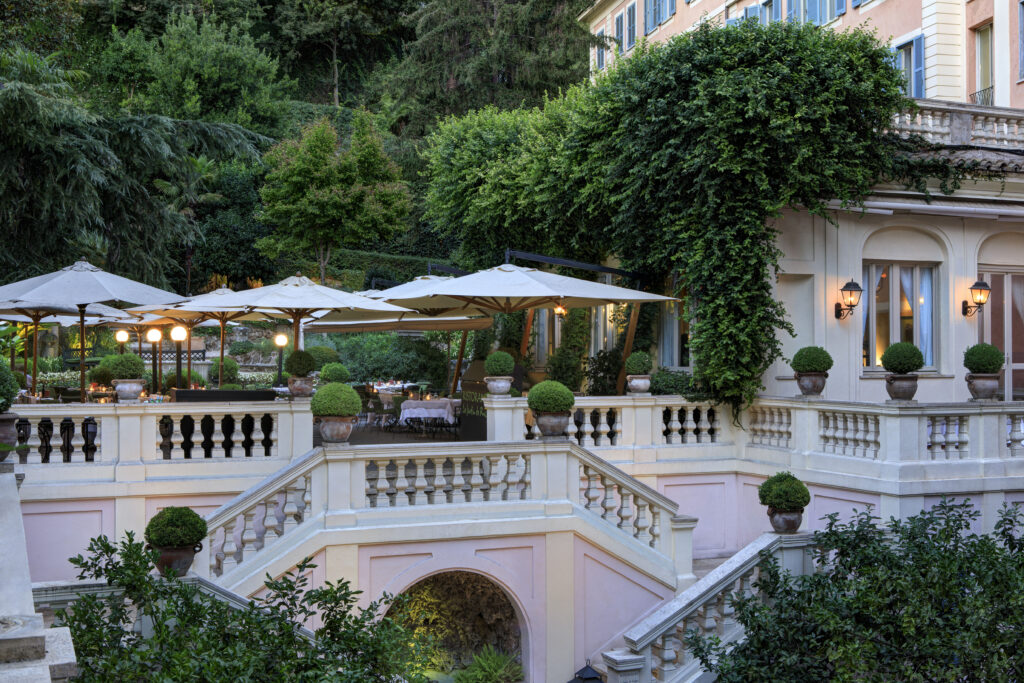
In Venice, the Danieli, a Gothic palace turned hotel in 1822, still echoesthe footsteps of travelers who arrived across the lagoon. In Florence, Helvetia & Bristol (1885) welcomed those drawn to the Renaissance. In Rome, the Hotel d’Inghilterra, whose history traces back to the 16th century, remains open as a trusted haven for English travelers. And along the Alpine crossing, Geneva’s Beau-Rivage (1865) offered respite before the descent into Italy.
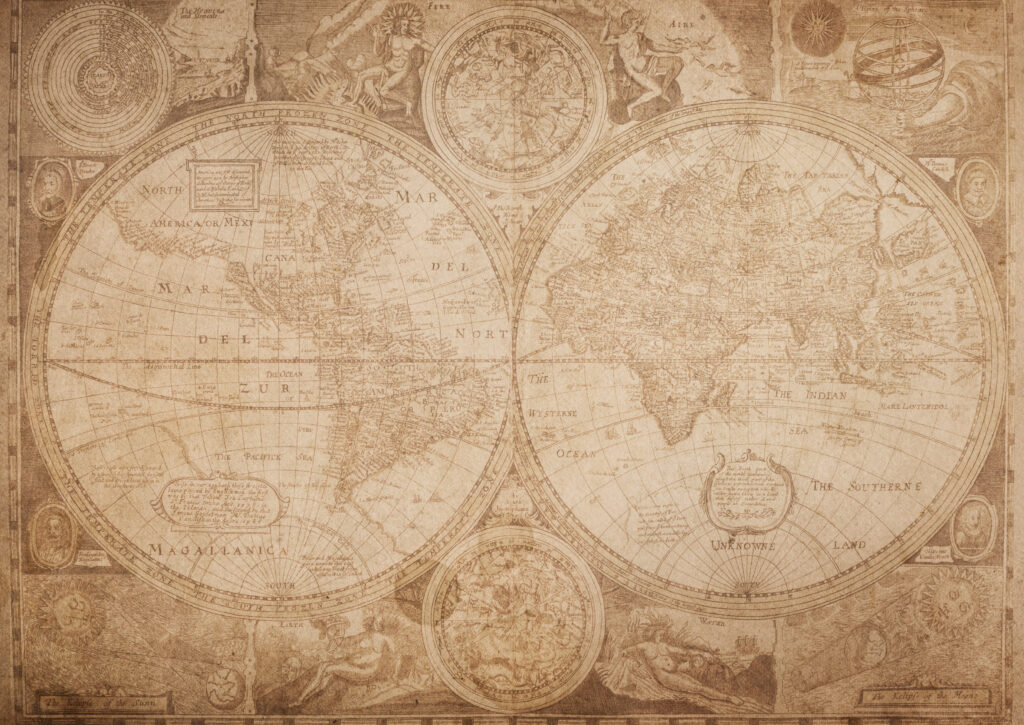
It was also during this time that the custom of collecting mementos was born: marble busts, engravings, intricate maps, and small sculptures returned with them to European estates. These objects became the seeds of private collections that would later evolve into museums, while also sparking a new awareness of preservation. Monuments such as the Colosseum, the Pantheon, and ancient temples gained renewed attention because they were drawn, admired, and recorded in travel diaries.
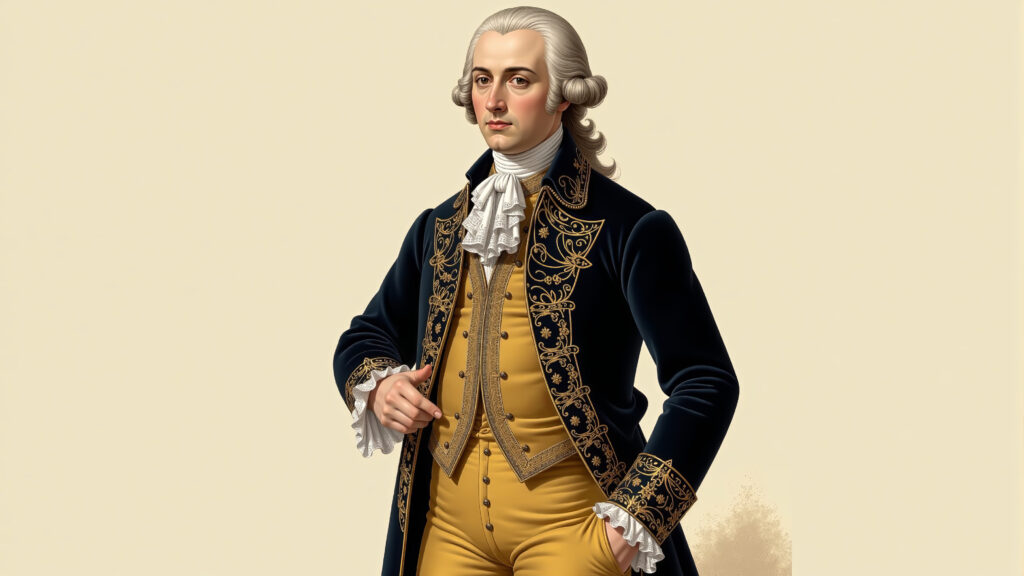
The Grand Tour also influenced gastronomy and fashion. Young men returned describing the flavors of Italian wines, Swiss cheeses, and French dishes, bringing recipes that were reinvented at home. London tailors began to adapt cuts and fabrics inspired by Italian craftsmanship and Parisian refinement, spreading a new cosmopolitan aesthetic across Europe. By the 19th century, the Tour opened to the rising bourgeoisie.
Writers and artists followed the same paths, but with different eyes. Goethe, in his Viaggio in Italia, captured the awe of encountering ancient Rome. Byron described Venice as an eternal lover, revealing new secrets with every visit. Mary Shelley found in Naples the atmosphere that inspired some of her most passionate pages. Each, in their own way, transformed the journey into literature, painting, or myth. The legacy of the Grand Tour still resonates today.
The idea that travel educates, that horizons shape the soul, and that art can transform remains alive. More than movement across a map, the Tour was an intimate cartography of the human experience, a geography of beauty. Amid winding roads, Venetian palaces, and suspended gardens, those young travelers learned that true wealth is not measured in coins but in memories. That beauty, once contemplated, forever alters the way one inhabits the world. And that each journey, when lived with attention and reverence, is a secret form of eternity.