
A journey into the history, symbolism and contemporary revival of French boiserie, guided by the legacy of Féau Boiseries.
There are decorative arts that survive centuries unchanged in their ability to mesmerize. Boiserie is one of them. Born in seventeenth century France, when Versailles dictated not only taste but the very grammar of beauty, it began as a solution to cold and irregular palace walls. Yet the carved wood panels soon evolved into a language of symbolism and refinement, turning architecture into narrative. Derived from bois, wood, the term boiserie transcends materiality.
In the eighteenth century it became a cultural lexicon. Acanthus leaves signaled wisdom. Garlands conveyed prosperity. Shells evoked maritime power. Musical salons used floral motifs to suggest harmony. Libraries adopted geometric patterns to express intellect. Every panel was a portrait of its era, carved with almost ceremonial precision.
One of the most enchanting curiosities is that many historic boiseries were designed to travel. Noble families dismantled and reinstalled their panels whenever they moved, bringing their architectural identity with them. Today, restorers read a boiserie like a manuscript. Tool marks reveal the sculptor, pigments reveal changing tastes and small imperfections act as hidden signatures.
From the sinuous rococo of Louis XV to the neoclassical rigor of Louis XVI and later the quiet luxury of Art Deco, boiserie has always mirrored the spirit of its time. Few maisons preserve this heritage with the depth of Féau Boiseries, founded in 1875 and home to one of the world’s most extraordinary archives.
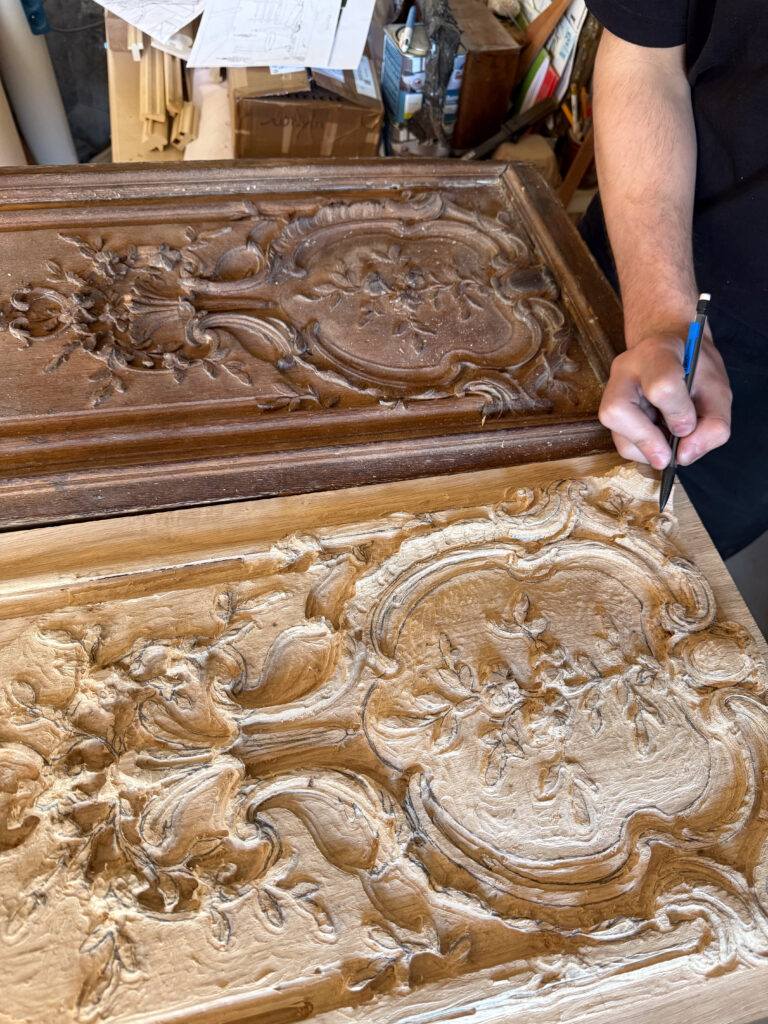
Located on Rue Laugier in Paris, the atelier holds over three hundred complete rooms from the seventeenth to the twentieth century. In 2025, as the maison celebrates its one hundred and fiftieth anniversary, it expanded its global presence with a new showroom in New York’s D and D Building, offering American designers an intimate encounter with this rare craft.
Lifestyle Mag sat down with Guillaume Féau, heir to the maison, who reflects on history, creation and the narrative power of carved wood.
LM: You lead a company whose roots date back to 1875. How does that legacy shape your vision today?
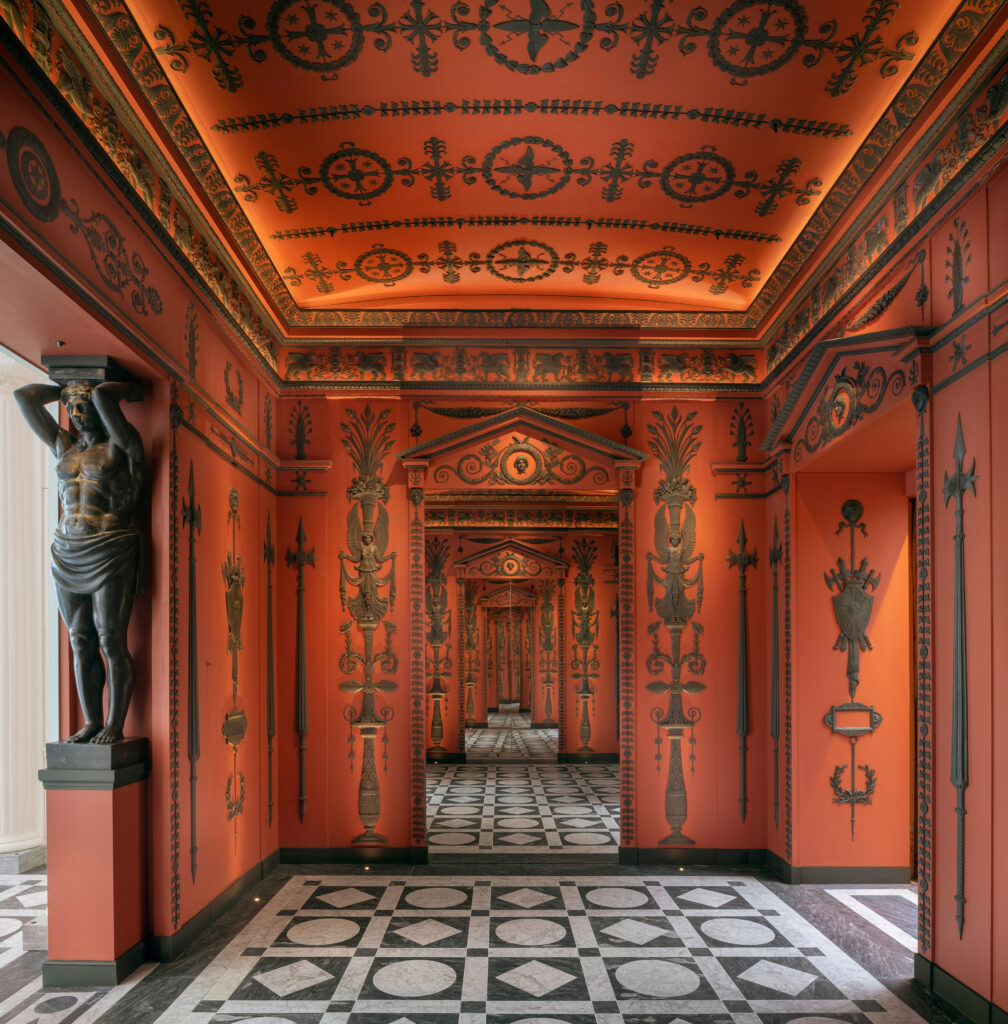
G: The story begins in 1875 with gilded and painted wood décor before the company quickly became a leader in boiseries for major residences. We have worked for clients such as Béatrice Ephrussi de Rothschild, Henry Clay Frick and the Vanderbilt family, and even recreated the Galerie des Glaces from Versailles for a London townhouse. Our atelier now holds more than three hundred complete rooms from the seventeenth to the twentieth century by masters such as Ledoux, Percier and Fontaine, Ruhlmann, Rateau and Jean-Michel Frank. This heritage gives us a unique vocabulary that we reinterpret for contemporary architects and designers.
LM: What is the cultural and architectural significance of boiseries in French interior design?
G: For three centuries, boiseries have been the architectural backbone of French interiors. They shape proportions, guide light and create complete decorative worlds. Achieving this requires extraordinary craftsmanship, bringing together carving, patinas, painting, gilding and many other specialties. Boiseries are not ornament but identity, expressing the taste, ambitions and way of life of their eras.
LM: Which historic style from your collection has marked you the most, and what does it reveal about its time?
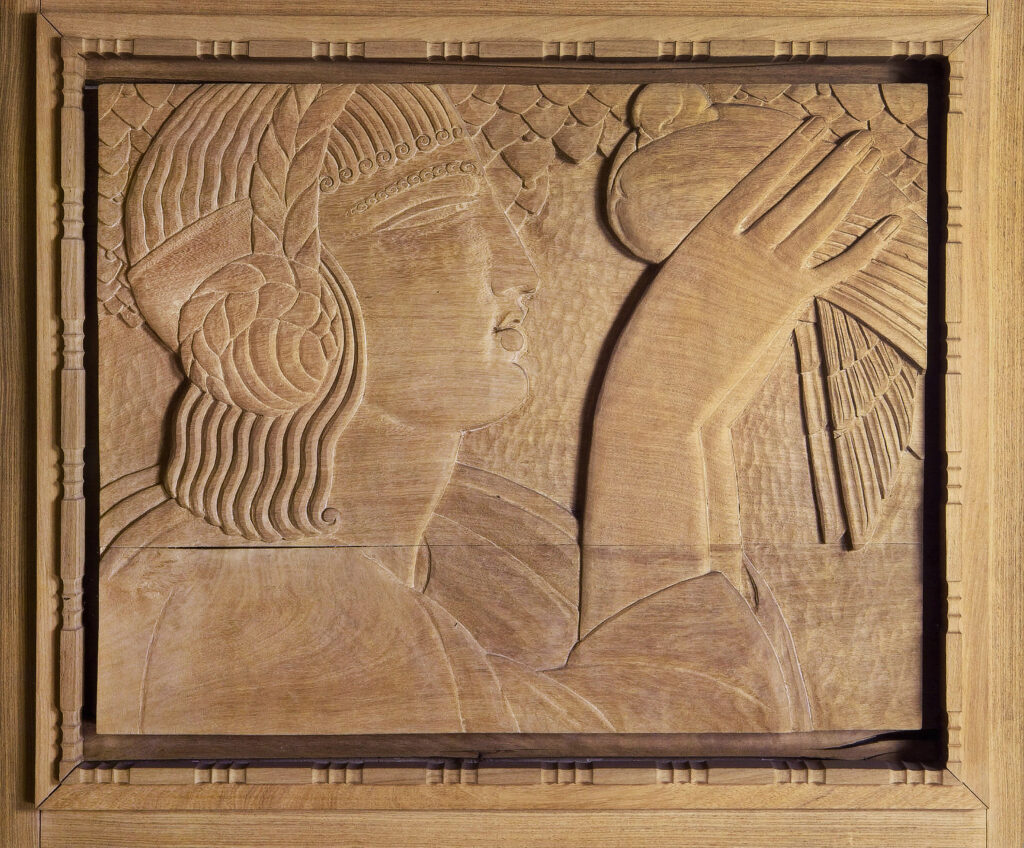
G: One room that deeply moved me is a large living room by Jacques Émile Ruhlmann, in Brazilian rosewood, created for an English lord and now in the Louvre Abu Dhabi. It blends Viennese Secession inspired bas reliefs with striking geometric modernity. The 1930s brought calm, simplicity and materials such as lacquer, leather, parchment and brushed oak. It is discreet, luxurious modernity, reflecting a society seeking elegance without excess.
LM: When creating new work for clients today, what carries the past forward and what becomes contemporary?
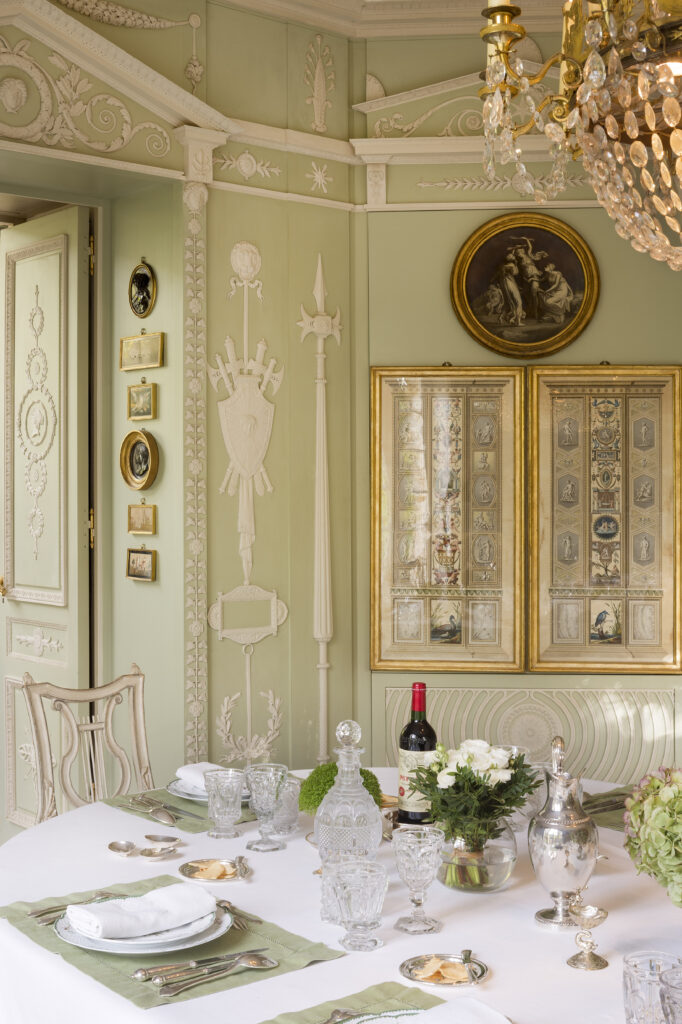
G: We often begin with a historic detail, such as a fragment of molding or a carved motif. Recently we created a plaster wall panel inspired by an eighteenth century bamboo leaf chinoiserie. The final room is contemporary, but its DNA is antique. By reworking details rather than copying full rooms, we remain faithful to the vocabulary of the great masters while keeping complete freedom.
LM: What is a recent project in which your boiseries helped tell a story in a way only wood could express?
G: We collaborated with Liaigre on an important private project. For the bar, we reinterpreted Régence panels with a deep matte black patina. Combined with Liaigre’s pure furniture and Francis Bacon works, the room feels both historic and radically contemporary. This tension between eras is exactly what excites us.
LM: What should collectors consider when investing in historic boiseries?
G: Boiseries are architecture, not objects. One must consider space, proportion, taste and the true volumes of a home. The balance between wood species, carving, patina, provenance and scale is complex. We therefore work closely with designers and architects to create decors that are beautiful, livable and meaningful.
LM: How is Féau evolving while staying loyal to its heritage as tastes move toward minimalism and sustainability?
G: Our priority is to maintain the level of quality achieved by the great masters. We study historic rooms in depth and collect them whenever possible, which allows us to understand and replicate their craftsmanship precisely. At the same time, we explore new materials such as cast glass and straw marquetry, which we have been developing at a high level for over twenty years.
LM: What is your favorite piece in the collection, and why?
G: It is difficult to choose just one. One of my favorites, acquired by Stephen Schwarzman for Miramar in Newport, is a seventeenth to eighteenth century paneled room decorated with carved medallions of Roman emperors. Another dear project is a cabinet of curiosities created for a member of the Rothschild family. In both cases, the boiserie becomes the stage for the owner’s story, which is ultimately the most beautiful role boiseries can play.