
Before they became glass rooms for admiring plants, conservatories were survival machines, displays of power, and laboratories for a world learning how to transport climates.
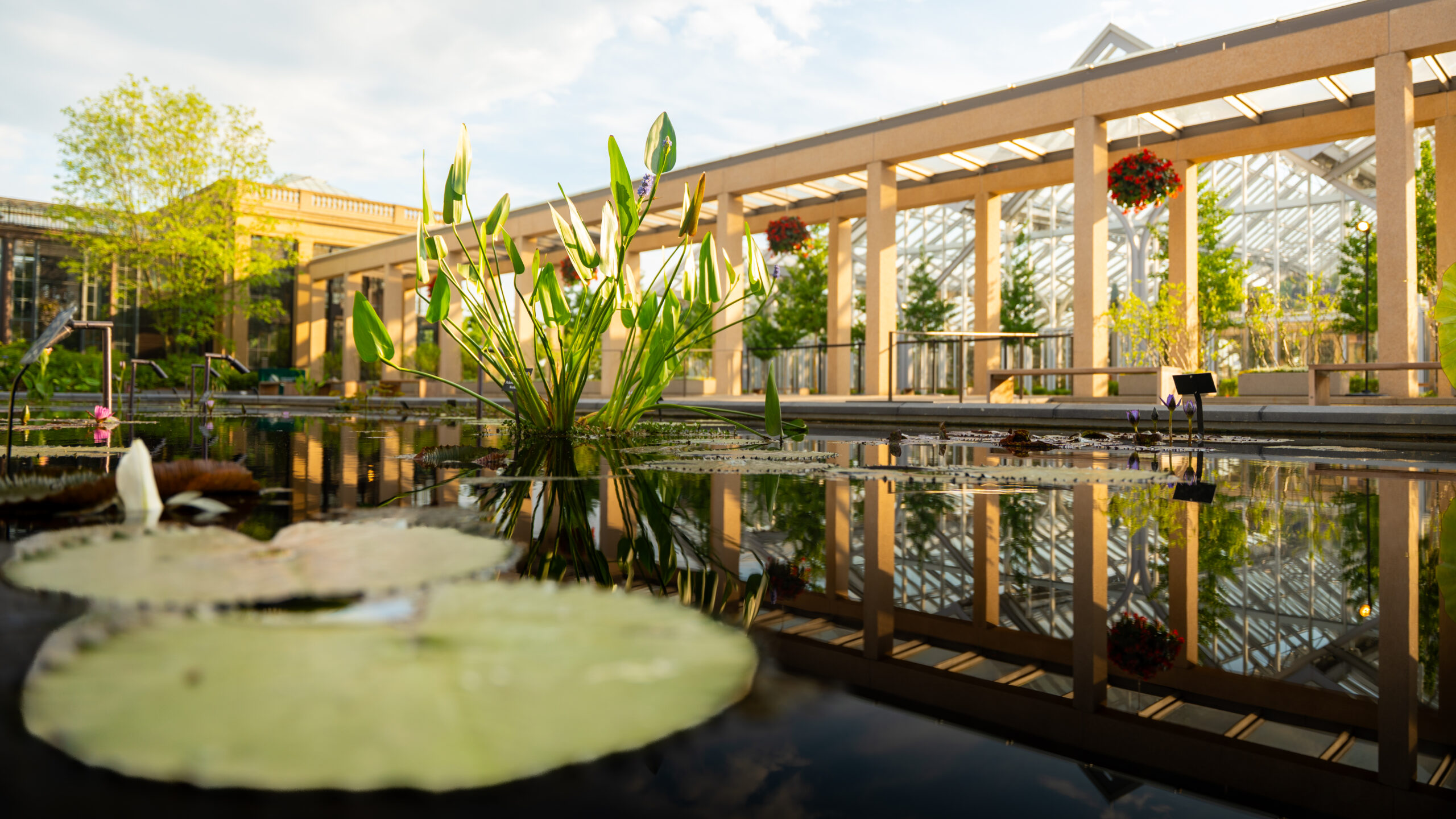
An orange tree in northern Europe was once a demonstration of power. Owning it was not enough. It had to survive winter, travel in a large wooden box, and inhabit a building capable of preserving the climate it had left behind. Before glass took command of the view, architecture began by trying to save a fruit.
The orangeries of the seventeenth and eighteenth centuries were generally masonry buildings with tall windows facing the sun. The conservatory came later, its walls and roof largely made of glass, while the greenhouse was devoted primarily to cultivation. A herbarium, by contrast, kept no living plants. It stored dried, pressed, cataloged specimens, functioning as a botanical library.
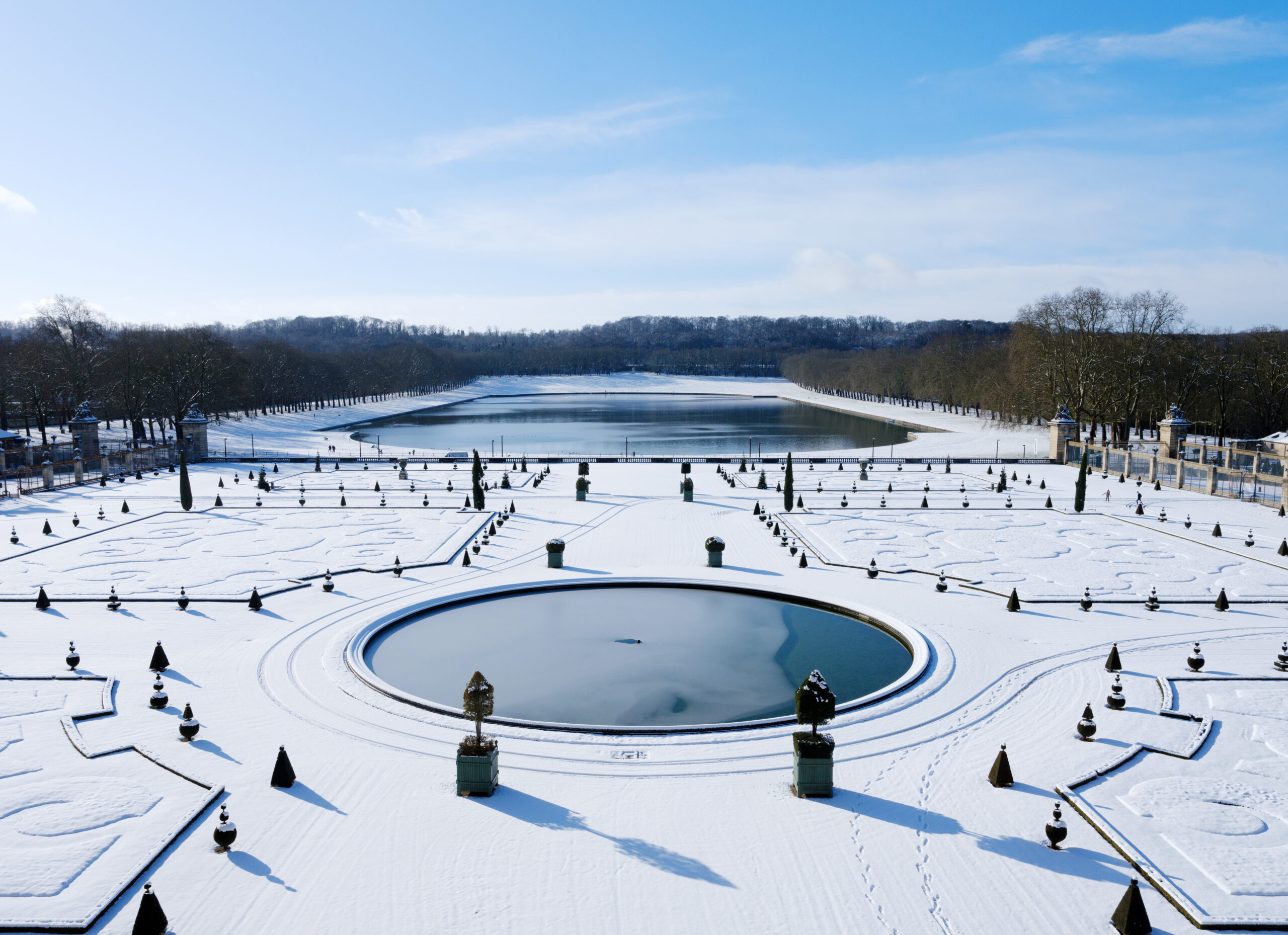
Versailles brought the first of these types to the scale of a kingdom. Louis Le Vau designed a Grande Orangerie in 1663, but it soon proved inadequate to Louis XIV’s ambition. Roughly two decades later, Jules Hardouin-Mansart doubled its size. The royal collection is estimated to have reached 3,000 specimens, including 2,000 orange trees. Its principal gallery, more than 150 meters long, 13 meters wide, and 13 meters high, kept citrus alive while turning command over distance, nature, and the seasons into a political image.
The building contains quieter feats of ingenuity. Beneath the monumental staircases, galleries are still used to maintain the boxes and prepare the soil. Tall French windows combine strength and insulation with the delicacy of small panes. Véronique Ciampini, a project manager in Versailles’s Directorate of Heritage and Gardens, points to the perfect symmetry of the boxes. Gardeners repair them with seasoned oak wood from trees pruned on the estate; their design allows part of the soil to be renewed and the remaining earth aerated without removing the tree.
One of the Orangerie’s most evocative stories is that of a plant that no longer survives. Louis XIV was particularly attached to the bitter orange known as Le Grand Connétable, said to have grown from a seed in 1421 and to have been brought to Versailles in 1687. It died at the end of the nineteenth century, but bitter orange trees remain the oldest plants in today’s collection. The story is a reminder that the longevity of these buildings has always depended on knowledge passed from hand to hand.
By the eighteenth century, Carl Linnaeus’s binomial nomenclature had given botany a shared grammar. Collections could be compared and cataloged across networks centred on gardens such as Kew and figures including Joseph Banks. The science, however, grew along imperial routes. Plants, knowledge, and economic power traveled together.
Moving a living specimen remained difficult until Nathaniel Bagshaw Ward noticed a fern surviving in a sealed container at home. Developed in the 1830s, the Wardian case allowed moisture to condense and return to the soil. Its tiny cycle reduced losses on sea voyages, but also enabled tea and rubber plants to be moved between colonial territories. A conservatory in miniature could reorganize entire markets.
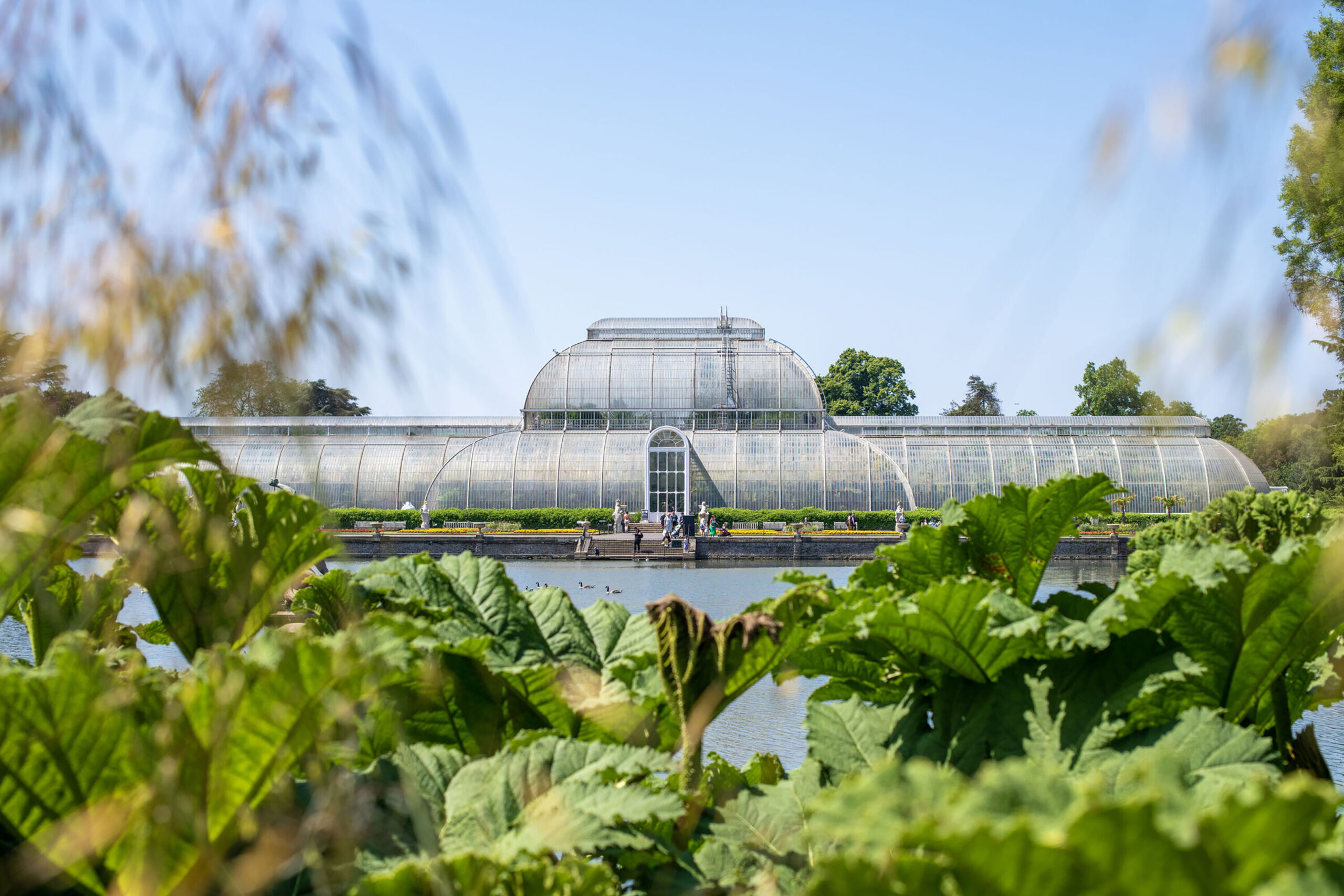
Iron and glass enabled the next leap in scale. At Kew, the Palm House, designed by Decimus Burton and Richard Turner and built between 1844 and 1848, borrowed from shipbuilding to create a curving structure like an inverted hull. Joseph Paxton carried modular logic to the Crystal Palace for the Great Exhibition of 1851, a prefabricated building so vast and transparent that it resembled a city under glass.
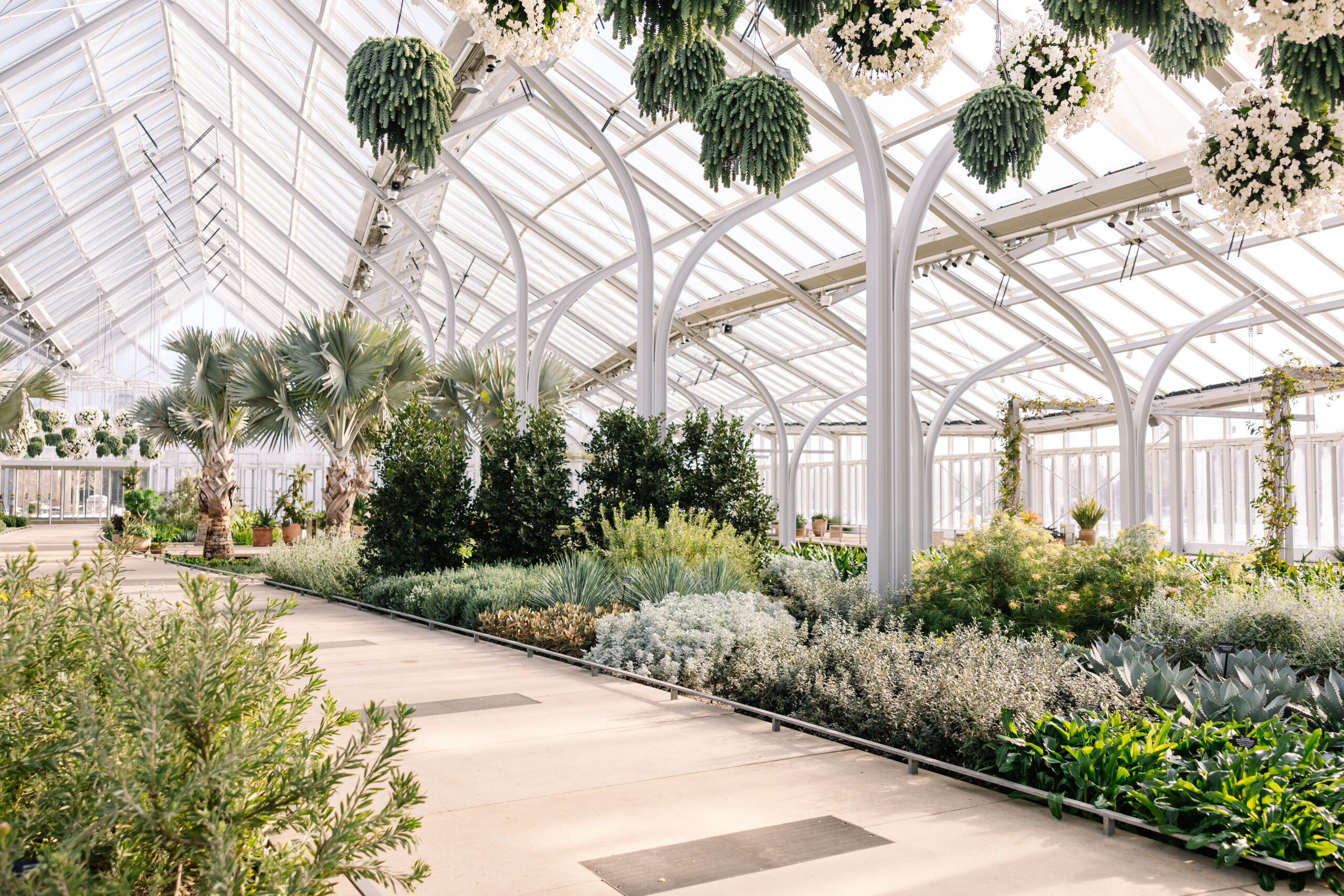
Today, preserving a historic glasshouse means protecting both plants and architecture. Structures designed to accumulate heat now confront a warmer climate and energy costs their makers could not have anticipated. The old question was which species could be brought inside. Today, the question is also how much energy will be required to keep them there and what these collections should teach us about the ecosystems from which they came. Under glass, summer is no longer merely an achievement. It is also a responsibility.