
A publication that explores the visual language of Jean-Michel Basquiat and reveals how his work continues to traverse art, identity, and culture.
By Letícia Lima Laurino
Jean-Michel Basquiat constructed a language that remains difficult to confine to a single definition. Nearly four decades after his death, his paintings, drawings, and symbols continue to intersect with discussions on identity, culture, and power. Within this ever-evolving landscape, Assouline revisits him in Basquiat: The World of Jean-Michel, a publication dedicated less to organizing his trajectory chronologically and more to observing the forces that permeated his work.
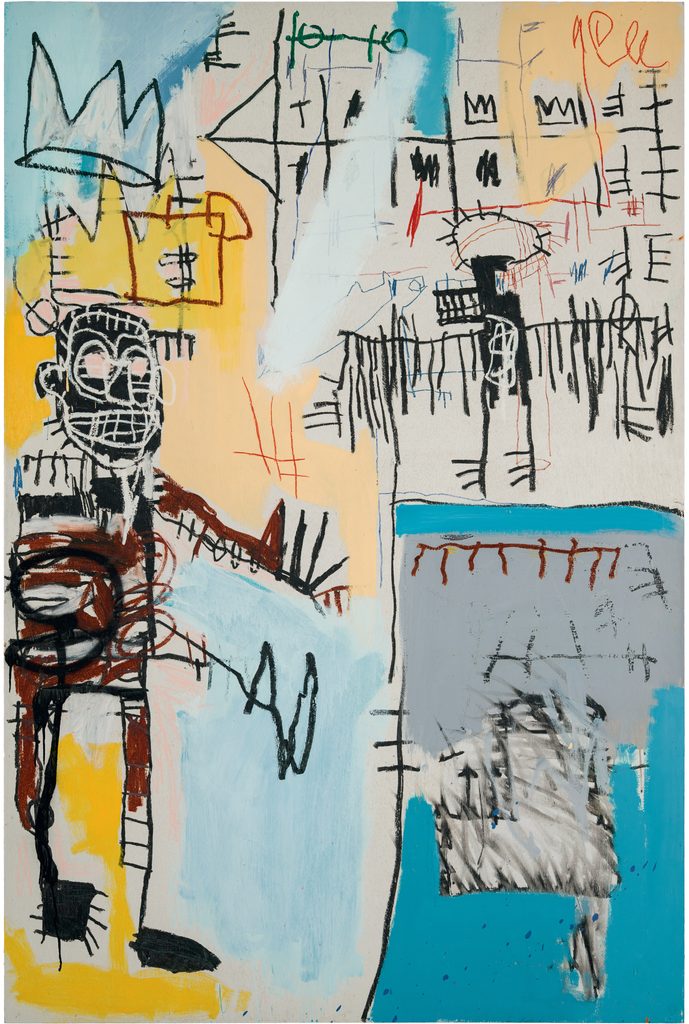
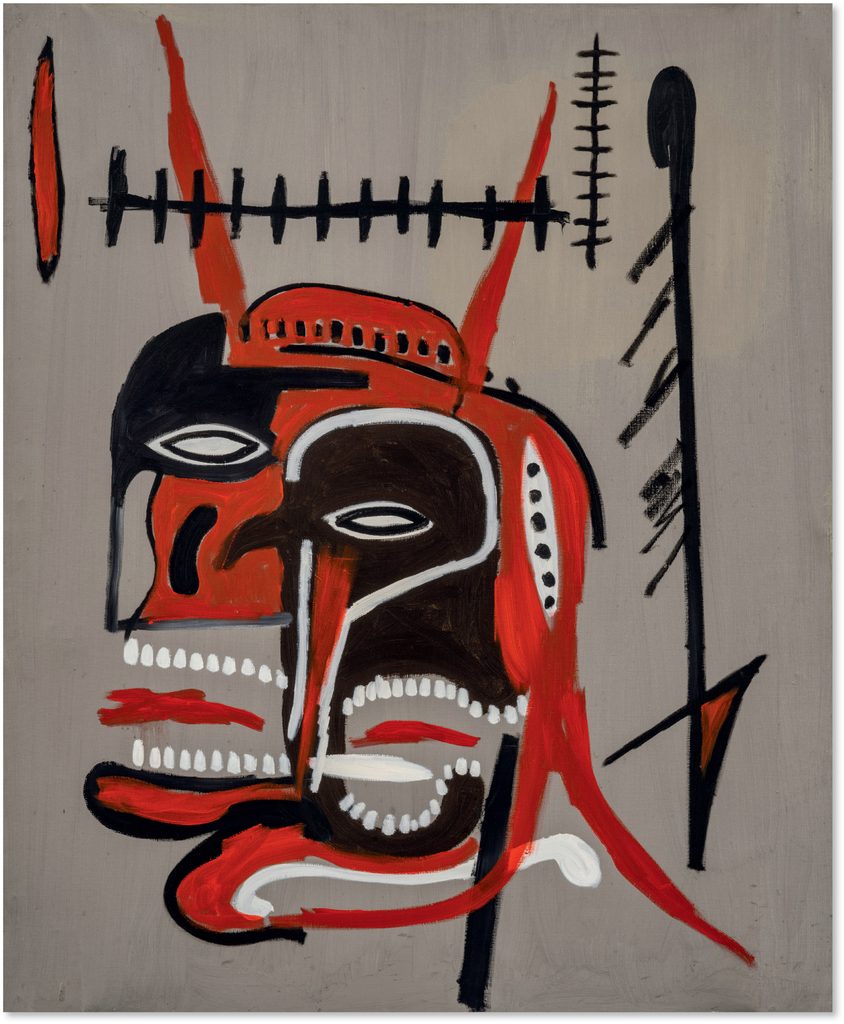
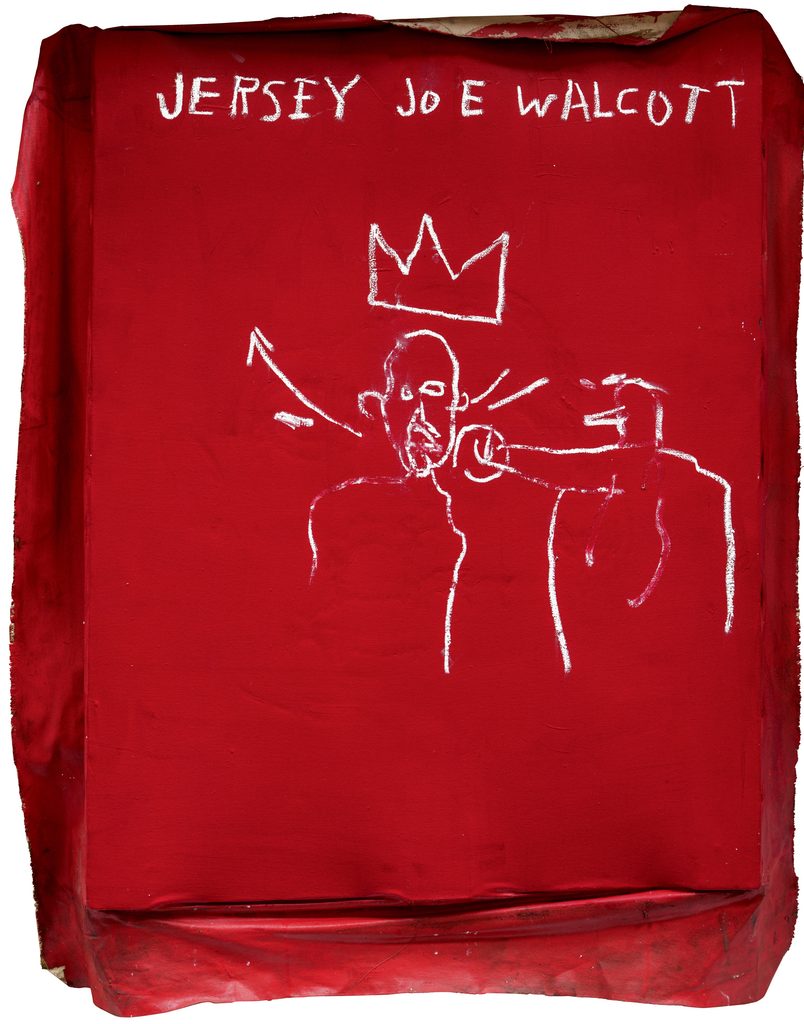
Organized thematically, the volume traces various dimensions of the artist’s production, from the energy of New York to questions of the body, Black identity, and mythology. The city appears as visual material rather than a mere backdrop. Streets, music, language, codes, and collisions enter the work, helping explain the intensity of a career created in just a few years that is still capable of generating new readings.
Heads, crowns, halos, words, and fragmented figures reappear throughout this journey. The power of drawing, references to art history, visual traditions, and the African American experience coexist with images of power, vulnerability, and affirmation. In Basquiat’s work, these elements rarely function in isolation. They are overlapping, contradicting layers that transform the surface into a space of tension.
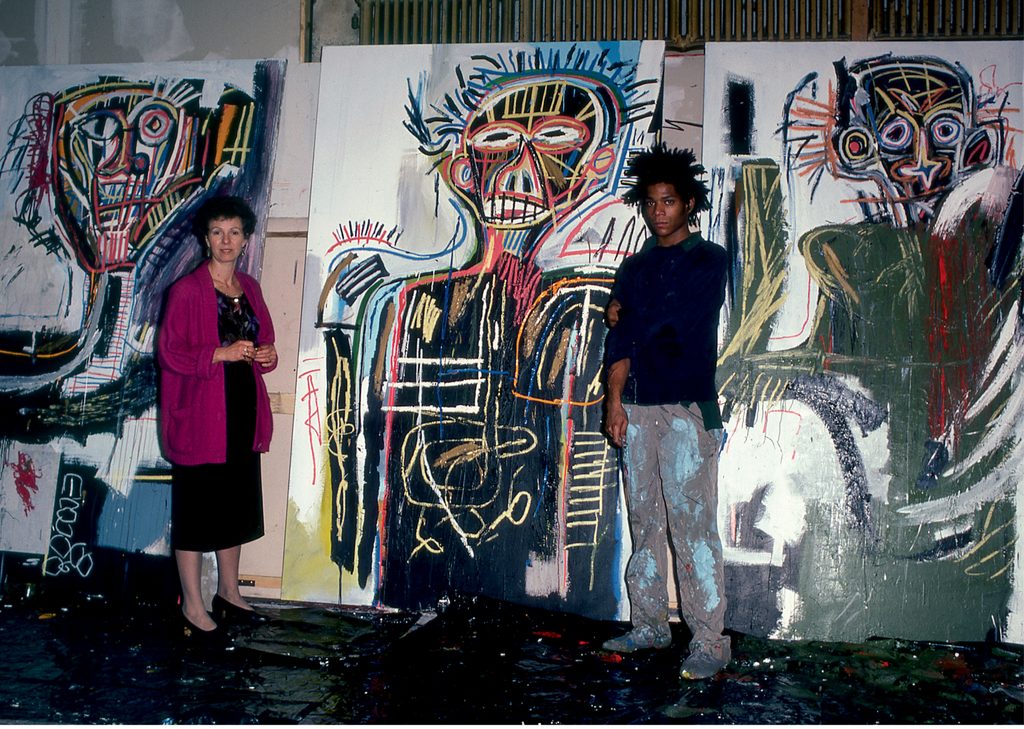
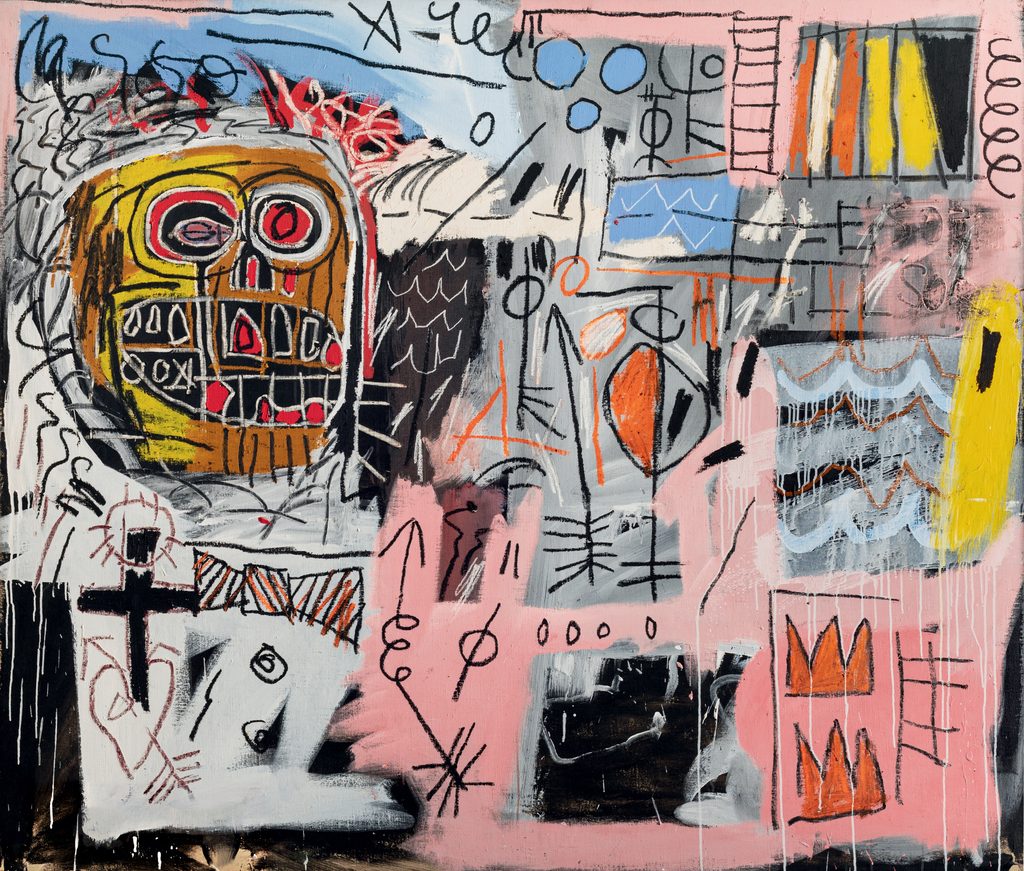
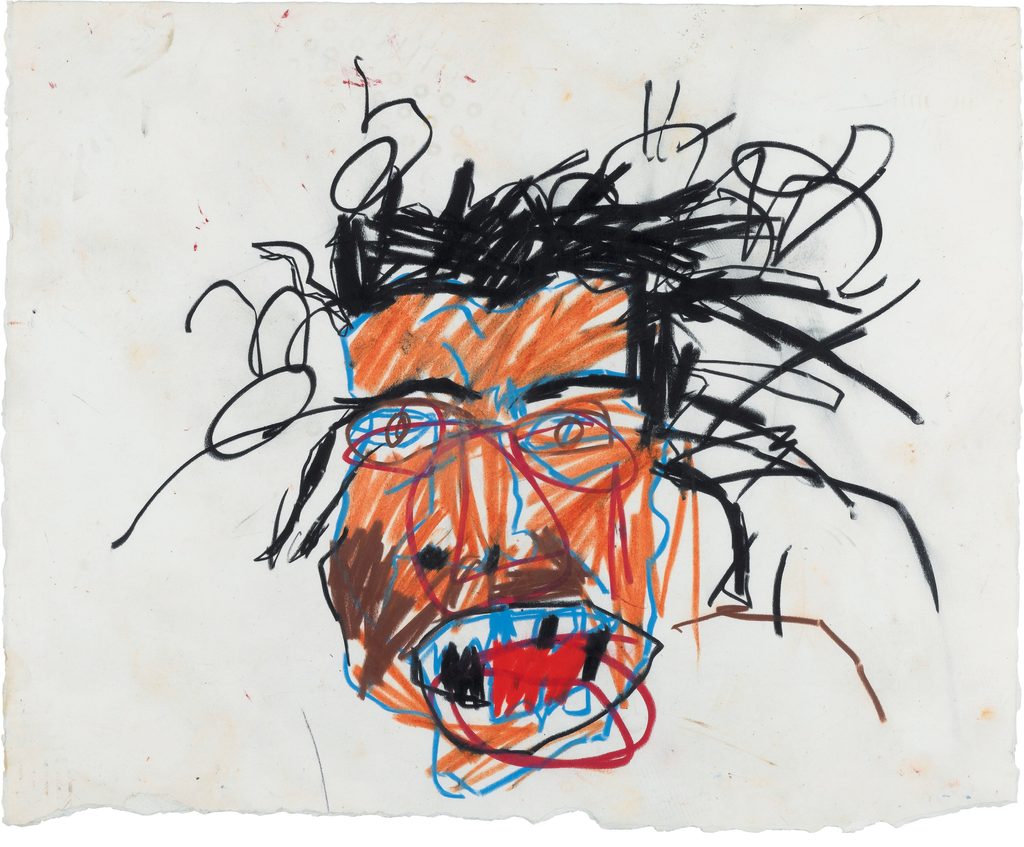
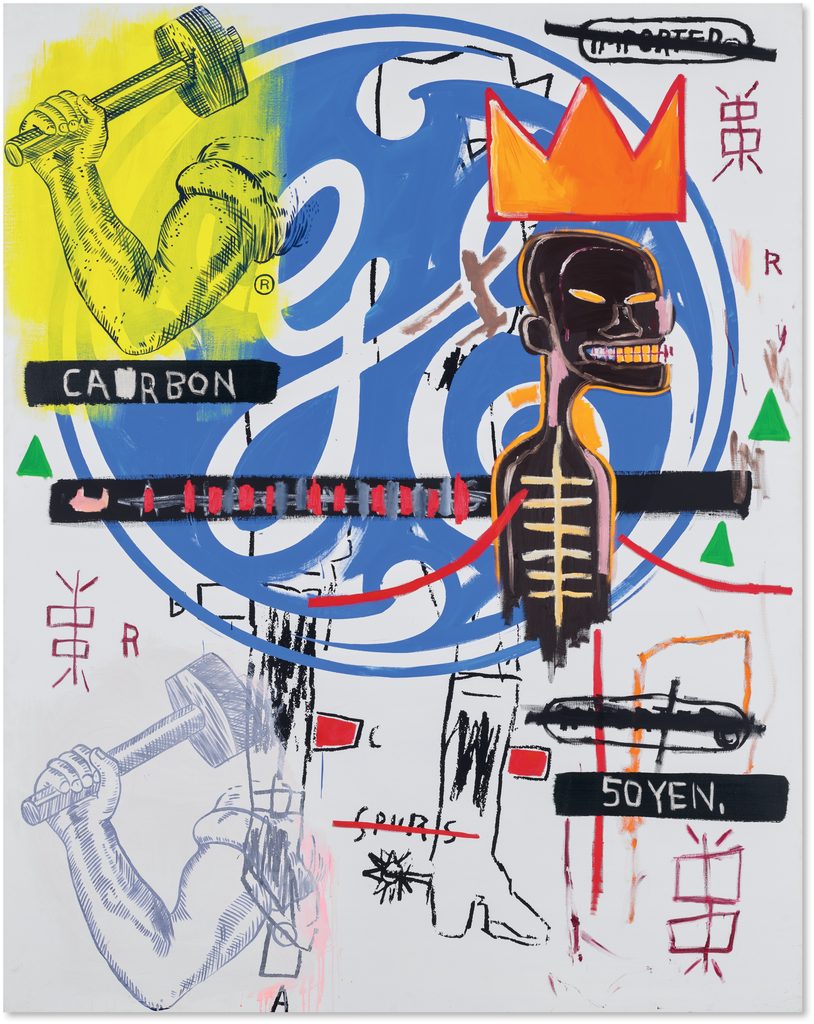
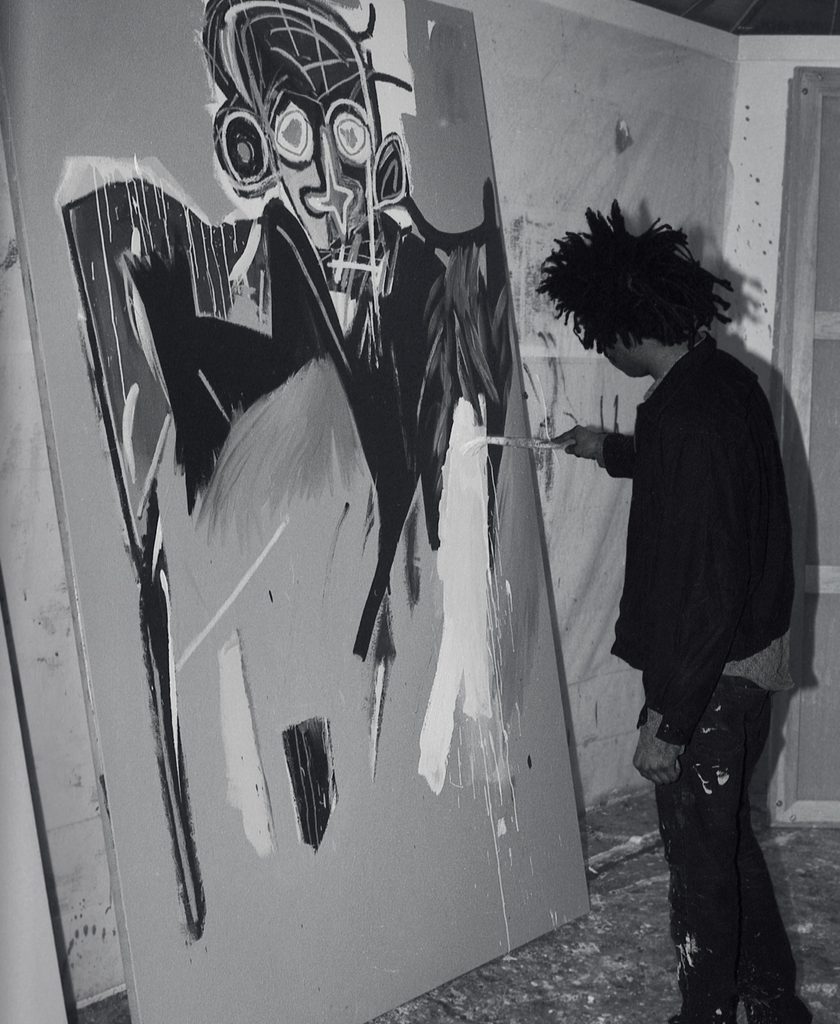
The publication brings together artworks, archival photographs, and records that bring the reader closer to different moments of his production. Red Skull (1982), chosen for the volume’s cover, shares space with images of Basquiat at work and photographs of pieces still in progress. The archive adds a lesser-known dimension to the reading, allowing one to observe the environment, gestures, and relationships surrounding his practice, rather than just the final result.
The voices gathered in the book broaden this perspective: artists, collectors, curators, and figures linked to the cultural scene help build a portrait that transcends individual biography. George Condo, Peter Brant, and Lenny Kravitz appear alongside names like Keith Haring, Andy Warhol, bell hooks, and Valentino Garavani. Together, they highlight how Basquiat belonged to a specific creative network while simultaneously pushing its boundaries.
Read more: The Art of the Inherited Eye
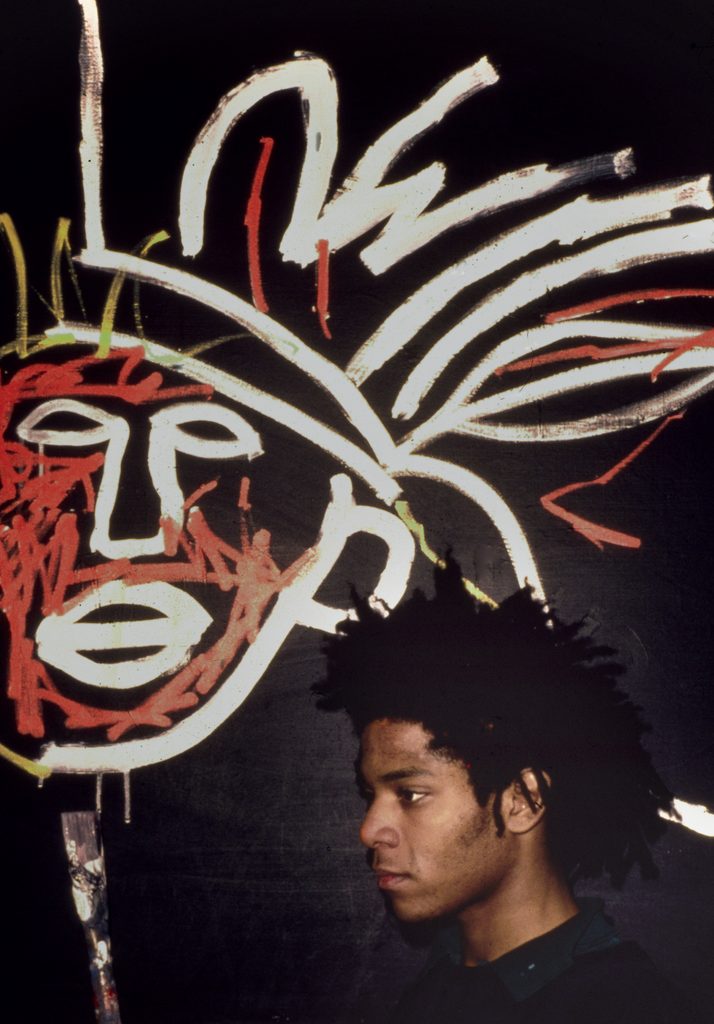
Created in collaboration with Colour Themes, the edition combines research, archives, and access to galleries and private collections. The reproduction of the works received special attention regarding color, texture, and intensity, essential aspects for an artist whose language depends as much on gesture as on materiality.
Part of Assouline’s Ultimate Collection, Basquiat: The World of Jean-Michel is presented in a clamshell case inspired by the texture of a painting canvas. The cover, scale, and finish serve as an initial introduction to the artist’s visual universe; this choice transforms the volume into an object without reducing its content to a decorative role.
This physical dimension also helps explain why Basquiat remains so present. His work resists a quick reading. Words, signs, and figures seem familiar at first glance, but they rarely reveal themselves entirely. There is always a tension between what can be recognized and what remains open to interpretation.
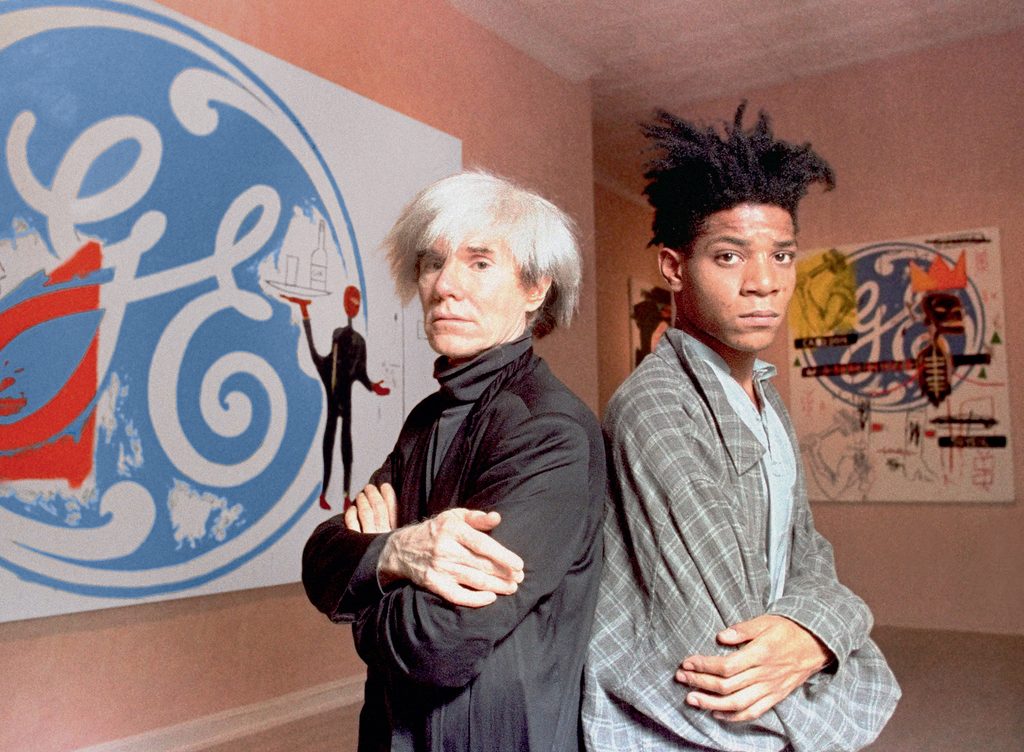
By bringing together images, archives, and diverse perspectives, the publication avoids treating Basquiat as a closed chapter in art history. Its interest lies in the opposite: showing how a language born in 1980s New York continues to circulate through art, fashion, music, and visual culture without losing the critical weight that originated it.
More than reaffirming his status as an icon, Basquiat: The World of Jean-Michel returns focus to the work itself. And it is there, amidst layers of paint, crossed-out words, anatomies, crowns, and historical references, that the reason for his power remains: a language deeply connected to its own time, yet still capable of speaking to ours.
Photos courtesy of Assouline